
Valley Driving School Blog
drivers Guide to Restrictions and Endorsements on Your BC Licence
Curious if your BC driver's licence has conditions? Check how restriction codes and special endorsements affect your everyday driving.
What It Takes to Drive a Fire Truck in BC
Pursuing a career in emergency services requires dedication, physical fitness, and strong vehicle handling skills. If you are preparing to become a firefighter, earning a...
Securing Sponsorship for Class 1 Truck Driver Training
Need help funding your Class 1 MELT program in BC? Uncover proven sponsorship paths and government grants designed to cover your training.
How Seniors Can Overcome Driving Anxiety
Does driving feel more stressful than it used to? Discover simple strategies to stay calm, comfortable, and confident behind the wheel.
How to Understand ICBC Road Test Results
Wondering what all those marks on your ICBC feedback sheet mean? Decipher examiner scoring rules to turn test results into driving success!
7 Daily Safety Habits for School Bus Drivers
Stepping into the driver's seat of a school bus? Build these 7 daily safety habits to keep every trip running smoothly.
Car Safety Guide for New Parents: Part 1
Confidently choose a car seat for your child with this comprehensive part 1 guide on car safety for new parents.
Drivers Guide to Night Driving
No matter how sharp your vision is, driving at night can pose challenges for all drivers. Check out these tips to help when you’re driving at night.
How Do The GLP Changes Affect Your Licence?
Received an official ICBC letter about upcoming graduated licensing changes? Check how updated restriction codes and driving record rules impact your licence.

Funding Options for the Class 1 MELT Program
Interested in earning your Class 1 licence but worried about MELT tuition? Explore key grants, sponsorships, and flexible payment plans to fund your training.
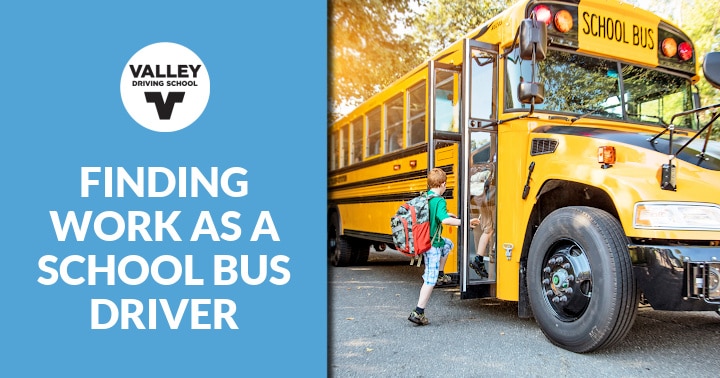
Finding Work as a School Bus Driver
Looking for job options after passing your class 2 road test? Uncover how to build a flexible, year-round driving career in BC.
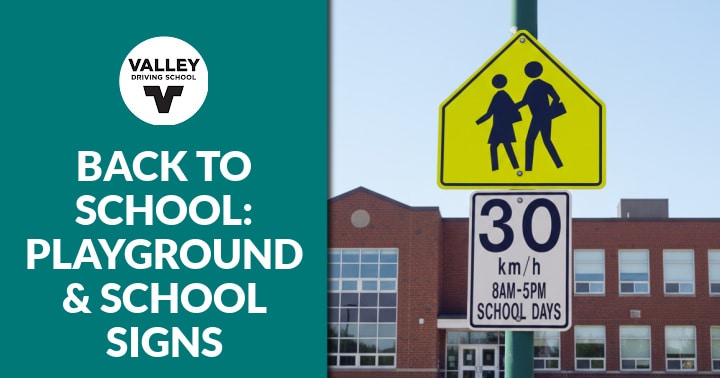
Back To School: Playground & School Signs
Ready for back-to-school traffic in BC? Brush up on school zone signs and playground rules to keep everyone safe!
