
What It Takes to Drive a Fire Truck in BC
Pursuing a career in emergency services requires dedication, physical fitness, and strong vehicle handling skills. If you are preparing to become a firefighter, earning a Class 3 commercial licence with an air brake endorsement is one of the most practical steps to getting job-ready for fire departments across British Columbia. Completing a Class 3 driver training program gives new recruits a real edge when applying for jobs.
We’re looking at the specific Class 3 licensing steps in BC, the core vehicle handling skills required to operate heavy trucks, and how commercial driving schools build safe driving habits.
What licence do you need to drive a fire truck in BC?

Operating most fire engines in BC requires a Class 3 commercial driver licence paired with an air brake endorsement. Candidates complete an air brake classroom course, pass both ICBC written tests together in one sitting, obtain a learner permit, and build a behind-the-wheel lesson schedule leading up to their ICBC road test.
A fire truck typically falls into the Class 3 commercial licence category; one of the most versatile credentials among Class 3 driving careers. A Class 3 licence allows drivers to operate trucks with more than two axles, including large pumper trucks, ladder trucks, and heavy rescue rigs.. Getting licensed follows a straightforward process:
- Air Brake Classroom Course: Candidates begin by attending a 7-hour air brake theory course to learn system mechanics, air pressure limits, emergency valves, and daily inspection requirements.
- ICBC Written Tests: After finishing classroom theory, candidates visit an ICBC driver licensing office to write both the Class 3 written knowledge test and the air brake written test together in one sitting. Writing both exams at the same time saves time and application fees!
- Learner’s Licence and Lesson Schedule: Once both written exams are passed, candidates receive their Class 3 learner’s licence. Once drivers have this in hand, they can get started with their on-road lessons, building out a schedule of regular training that leads up to an ICBC road test.
- Medical Examination Report: Drivers must submit a Driver’s Medical Examination Report to ICBC. This medical form is an administrative step completed within 45 days after passing the ICBC road test, though candidates with pre-existing health concerns should complete it before starting lessons.
What driving skills are required to operate heavy vehicles?
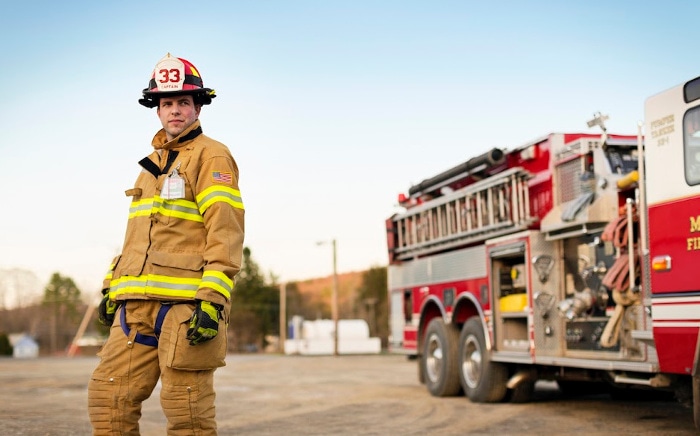
Operating heavy commercial vehicles requires mastering spatial awareness, off-tracking on turns, increased following and stopping distances, and defensive driving techniques. Drivers must account for liquid weight shifts from water tanks and scan traffic far ahead to keep full control of the truck on busy roads.
Turning Radius and Off-Tracking: Heavy trucks require wide turns to keep rear tires from climbing curbs or striking light poles. Drivers must manage off-tracking, which occurs when the rear wheels follow a tighter path than the front steering tires. Controlling tail-swing is also essential when turning large vehicles through tight city corners, narrow neighborhood streets, or around parked cars.
Braking Distances and Liquid Shifts: Stopping a heavy truck takes significantly more distance than stopping a passenger vehicle. Fire trucks can carry thousands of liters of water along with heavy equipment, creating dynamic weight movement during acceleration and braking. Liquid surge inside water tanks can push a vehicle forward during sudden stops, making progressive braking pressure and proper following distance management essential for smooth stops.
Defensive Driving and Space Management: Defensive driving means spotting potential hazards early before they turn into emergencies. Large commercial trucks have sizable blind spots on all four sides, increasing the need for higher observation skills. Drivers need to scan intersections thoroughly, adjust travel speeds early on wet or icy roads, and keep a safe space cushion around surrounding traffic at all times.
How do prospective firefighters train for a Class 3 licence?
Prospective firefighters train for a Class 3 licence through structured commercial driver instruction focused on safe driving habits and heavy vehicle control. Instructors emphasize real-world safety, pre-trip air brake inspection routines, gear shifting, and defensive driving habits so students can become safe and confident drivers through the ICBC road test and beyond.
Pre-Trip Inspections and Behind-the-Wheel Practice: One focus during training is mastering the ICBC pre-trip inspection routine. Drivers learn to inspect air lines, check brake adjustment, test low-pressure warning devices, and verify overall mechanical safety before getting on the road. Behind the wheel, lessons cover smooth gear shifting, mirror scanning, cornering, lane positioning, and practical vehicle control.
Commercial Driving Preparation vs. Fire Department Training: Commercial driver training centers on building safe, defensive driving habits rather than simply teaching students how to pass a road test. Professional instructors help candidates build confidence behind the wheel of single-unit heavy trucks. Once hired, individual fire departments deliver their own internal orientation and training for active emergency response, covering lights and sirens, water pump operation, and positioning safely at emergency scenes.
How does commercial driver training support emergency vehicle readiness?
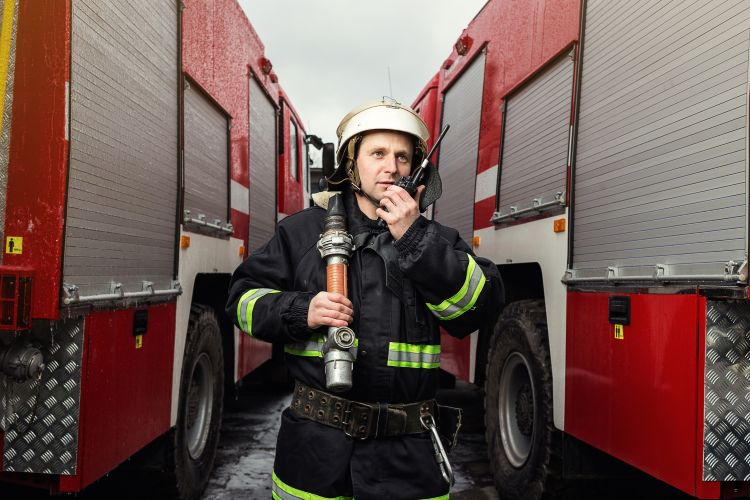
Earning a Class 3 licence before applying gives firefighter candidates a strong competitive advantage during department recruitment. Holding a commercial licence proves to hiring departments that an applicant possesses verified heavy vehicle handling skills, reducing initial training requirements for fire halls in communities across British Columbia.
Standing Out in Department Recruitment: Fire departments in growing communities like Abbotsford and Chilliwack receive hundreds of applications for entry-level firefighter positions. Candidates who hold a Class 3 licence with an air brake endorsement show clear initiative and job readiness. Hiring committees recognize that candidates with commercial driving credentials require less initial training time to get operational behind the wheel.
Sharpening Defensive Driving Habits: Beyond earning a commercial licence, prospective recruits can further develop their behind-the-wheel skills through a specialized Defensive Driving program. Defensive driving instruction reinforces proactive hazard scanning, skid avoidance, and space management. Candidates interested in broader commercial driving experience can also explore Class 4 training or full Class 1 commercial courses as part of their overall road map to commercial licensing.
–
Earning a Class 3 commercial licence with an air brake endorsement is a key step when figuring out how to become a firefighter in BC and setting yourself up for long-term success. By completing air brake theory, passing your ICBC written tests together in one sitting, and building safe driving habits in a heavy commercial vehicle, you set yourself up for long-term success behind the wheel.
If you are considering becoming a firefighter, Valley Driving School offers Class 3 training tailored to your needs, including training on both automatic and standard Class 3 vehicles. Book a Class 3 driving lesson today to get started on your commercial licensing path!

Focused on supporting the people behind the wheel and sharing their knowledge. As Valley Driving School's Instructor Supervisor, I support scheduling and the day-to-day needs of our Car Instructors from Burnaby to Hope, and am proud to bring our collective road wisdom online.
Related Articles
drivers Guide to Restrictions and Endorsements on Your BC Licence
Curious if your BC driver's licence has conditions? Check how restriction codes and special endorsements affect your everyday driving.
How Do The GLP Changes Affect Your Licence?
Received an official ICBC letter about upcoming graduated licensing changes? Check how updated restriction codes and driving record rules impact your licence.

Guide to the Online ICBC Knowledge Tests
Think back to the day you went to get your learner’s licence. Remember sitting in that crowded office, flipping through a paper guidebook, and feeling...
