
How to Avoid Common Causes of Car Accidents
Whether you are commuting through the heart of Surrey or heading out of the Fraser Valley for a weekend getaway, road safety is the foundation of a good journey. While the routes across the Lower Mainland are beautiful, they are also increasingly complex. Building your skills as a defensive driver is the best way to stay proactive against common hazards. How can a few simple shifts in your driving mindset help prevent the most frequent types of accidents in British Columbia?
In this guide, we will explore common road scenarios to help you identify potential hazards before they become an issue. We want to share practical considerations for navigating local intersections and highway transitions so you can feel empowered every time you get behind the wheel. By understanding the mechanics of a typical collision, you can adopt the “see-think-do” mindset used by many of the experienced drivers on our roads.
How common are car accidents in British Columbia?
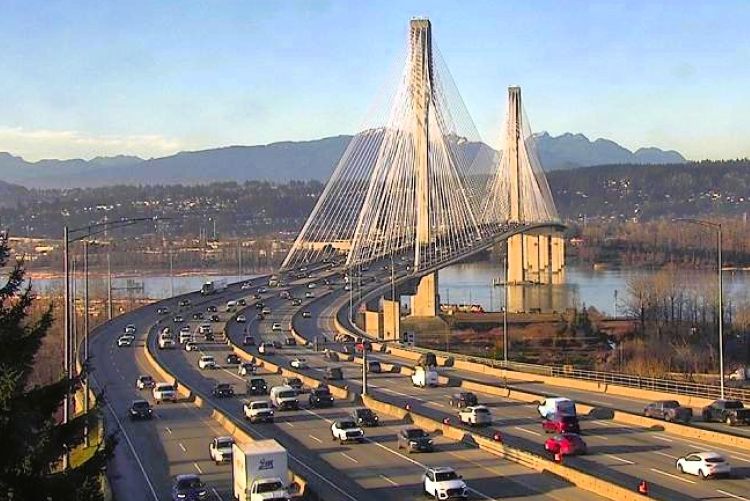
In British Columbia, there were 303,593 car accidents reported to ICBC in 2024, representing a steady increase in road incidents over the last five years. On average, more than 760 traffic crashes happen in BC every single day. While these numbers reflect a growing population and more vehicles on our roads, many of these collisions are preventable through focused defensive driving habits and a commitment to road safety.
The majority of these incidents are non-fatal, with property damage or minor injuries being the most frequent outcomes. In the Lower Mainland alone, there were over 202,000 crashes in 2024. Certain areas, such as the Alex Fraser Bridge and Cliveden Avenue intersection, see higher volumes of incidents due to heavy traffic and complex merging patterns. With these statistics in mind, we can appreciate why maintaining a high level of alertness and following the rules of the road is so beneficial for every driver in our community.
What are the most common car accidents in BC?
The most common car accidents in British Columbia are rear-end collisions and intersection-related incidents, often resulting from high-risk driving behaviors like following too closely or failing to yield. According to the latest 2024 and 2025 ICBC statistics, over 107,000 crashes occurred specifically at intersections across the province. Distracted driving, speeding, and environmental factors like sudden weather shifts are the primary contributors to these road events.
While every situation on the road is unique, the majority of incidents in our province fall into a few primary categories:
Rear-End Collisions: Often caused by following the vehicle in front too closely, these are the most frequent type of crash in the Lower Mainland.
Intersection Incidents: Over 107,000 crashes happened at intersections in 2024 alone, frequently involving a failure to yield or misjudging the speed of approaching vehicles.
Distracted Driving Crashes: Using electronic devices remains a leading contributing factor in preventable collisions across BC.
Speed-Related Incidents: Driving too fast for road conditions, especially during seasonal transitions, reduces the time available to react to hazards.
Parking Lot Scrapes: Although often lower in speed, these incidents are common in busy shopping centers and involve a failure to watch our space margins and other vehicles.
What is the best way to prevent rear-end collisions?
The most effective way to prevent a rear-end collision is to maintain a safe following distance to the vehicle in front of you that allows you to stop gradually, even during an emergency. Using defensive driving techniques, such as keeping your eyes moving to spot hazards early, gives you the space cushion needed to react. If you are struck from behind because another driver failed to leave enough room, they are typically found responsible for the incident.
However, it is important to remember that following distance matters even when you are stopped. Leaving the following distance ahead means that even if you are rear-ended, the damage to your vehicle and the risk of injuries is lower than if you hit the vehicle in front of you. If you are struck from behind and your vehicle is pushed forward into the other vehicle, you may be held responsible for the damage to that lead vehicle if it is determined you did not leave enough room to absorb the impact safely.
Traffic can get heavy quickly on commuter-heavy routes like the Alex Fraser Bridge or near the Massey Tunnel. In these high-volume areas, avoiding a common car accident often comes down to managing your speed. If the vehicle in front of you slows down suddenly, having that extra space can be the difference between a close call and a claim. For those driving a bus or a larger vehicle with a trailer, this following distance needs to be even greater due to the increased braking distance.
How can I avoid the most frequent intersection accidents?
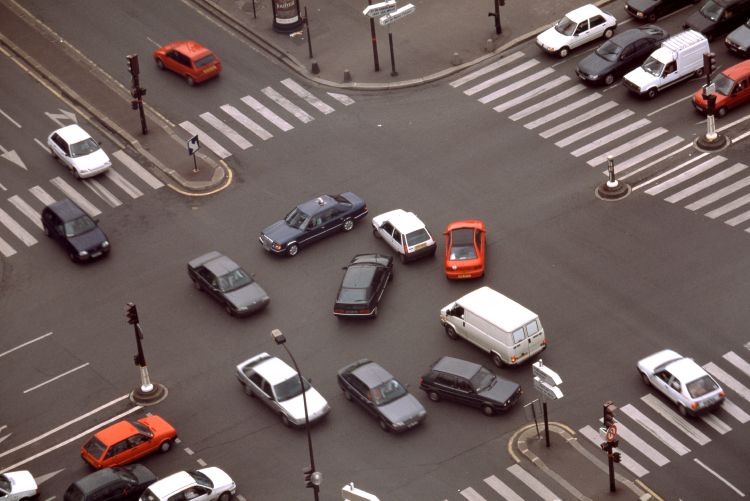
To avoid intersection accidents, drivers must prioritize clear communication and a firm understanding of right-of-way rules across all road configurations, including 4-way stops, roundabouts, and signalized junctions. Yield to pedestrians in crosswalks and ensure you have a clear line of sight before proceeding through any turn. If you arrive at an uncontrolled intersection at the same time as another vehicle, you must yield to the driver on your right as specified by the BC driver’s manual.
A vital part of defensive driving is learning not to make assumptions about how other road users will behave. Even if you have the right of way, you don’t want to assume another driver will stop at a red light or turn simply because their signal is on. Before entering any intersection, establish a consistent scanning habit: look left, centre, right, and then glance left again just before you move. This final check ensures that no new hazards, such as a speeding vehicle or a cyclist, have entered your path at the last second.
Maintaining total awareness also requires frequent mirror checks and shoulder checks to manage your blind spots. Before changing direction or moving through cross streets and driveways, perform a shoulder check to confirm the area is clear of pedestrians and smaller vehicles like a motorcycle. By treating every intersection as a high-activity zone, you can stay proactive and prepared for the unexpected.
How can I avoid accidents caused by distracted driving?
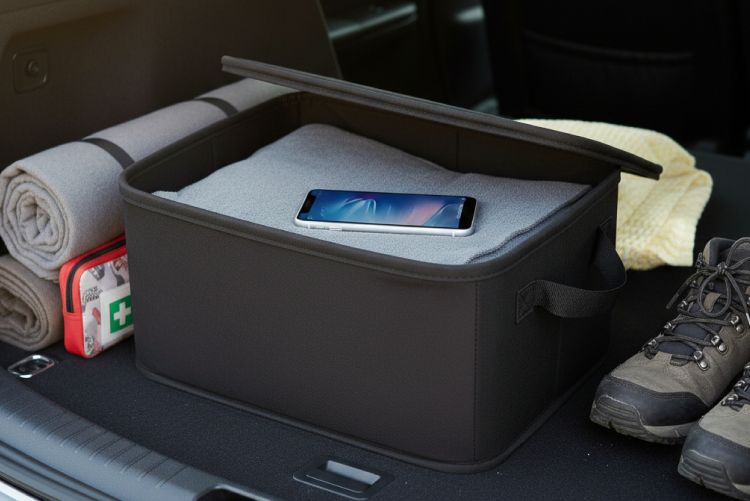
To avoid distracted driving accidents, commit to making the road your sole focus and handle potential interruptions before you start your engine. In British Columbia, distracted driving is a leading factor in nearly 40 percent of police-reported car crash injuries and contributes to an average of 77 deaths each year. Because a driver fails to process approximately 50 percent of the visual information in their driving environment while using a device, the safest strategy is to keep your phone out of reach—ideally in a bag, the glove box, or even the trunk if the temptation is high for you.
Building a distraction-free routine is essential for everyone, from new drivers to those with decades of experience. Consider these proactive tips to stay focused:
Prepare Before You Drive: Take a few moments before leaving your driveway to set your GPS, choose your music, and ensure any children or pets are comfortably secured.
Enlist a Co-Pilot: If you are a passenger, you can support a safe journey by handling navigation or answering texts so the driver can keep both hands on the wheel.
Know the Legislation: BC’s distracted driving laws prohibit the use of hand-held electronic devices even when you are stopped at a red light or stuck in traffic on Highway 1, and drivers in the Learners and Novice stages have strict restrictions for device usage.
Manage Personal Needs: Staying focused means avoiding common diversions like eating, grooming, or engaging in emotionally charged conversations while the vehicle is in motion.
Pull Over Safely: If an urgent task arises that requires your attention, pull over to a safe location before shifting your focus away from the road.
Why is speed control a primary factor in road safety?
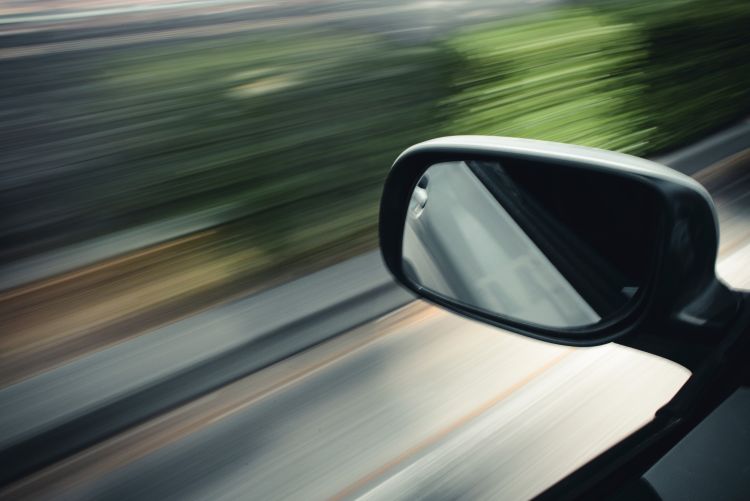
Speed control is the most effective way to improve road safety because reducing your velocity gives you more time to react to hazards and significantly shortens your total stopping distance. The faster a vehicle travels, the more power it requires to stop; for instance, doubling your speed actually requires four times the stopping power. In British Columbia, the posted speed limit is the maximum allowed only under ideal conditions, and you are legally required to reduce your speed when faced with rain, ice, or heavy traffic.
One of the most important habits to develop is matching your speed to the actual environment rather than just the number on a sign. When driving through a residential area or a school zone, a lower speed gives you the necessary margin to handle a child running into the street or a car backing out of a hidden driveway. For those driving a larger bus or a commercial truck, this is even more critical, as heavy vehicles have an increased braking distance compared to a passenger vehicle.
To stay proactive, follow these speed management techniques:
Plan for Delays: Set realistic travel times to avoid the pressure of rushing, especially during peak hours.
Monitor Your Speedometer: Get in the habit of checking your speed every time you check your mirrors (every few seconds) to ensure you haven’t unintentionally sped up.
Adjust for Weather: On wet or slippery roads, allow yourself at least twice the normal braking distance to account for reduced tire traction.
Maintain Space Margins: If another driver is following you too closely, do not feel pressured to speed up; instead, maintain a safe speed and following distance to the vehicle ahead of you, and stay in the right lane and allow them to pass safely.
Regardless of your experience level, your vehicle can move in unexpected ways on the varied terrain of the Fraser Valley. By choosing a consistent and appropriate speed, you protect yourself and other road users, ensuring you have the time and space needed to arrive at your destination safely.
How do I navigate parking lots and lane changes safely?
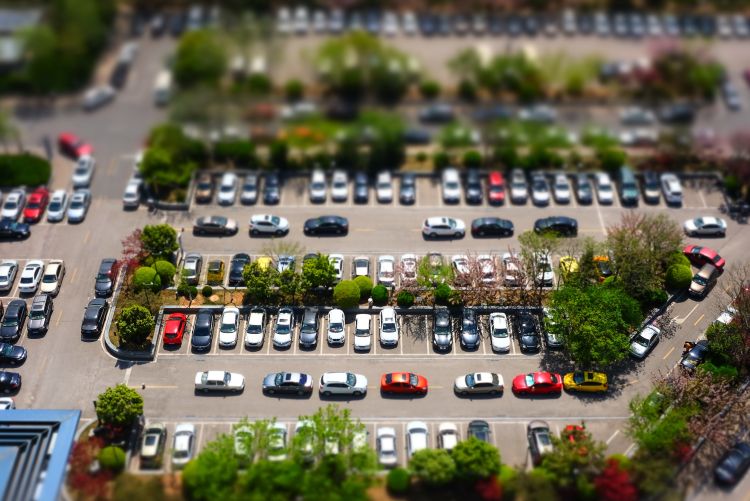
Safe navigation of parking lots requires 360-degree awareness and a “don’t assume” mindset regarding other road users. Because these areas are high-activity zones filled with reversing cars and pedestrians, you should treat every aisle as a potential hazard zone. When moving through a parking lot, it is helpful to understand the hierarchy of right-of-way:
Main Lanes vs. Feeder Lanes: Drivers in feeder lanes should yield to traffic in the main lanes. If you are traveling in a lane that leads directly to a public road, you generally have the right of way over vehicles emerging from the smaller aisles between parking stalls.
Exiting a Stall: When leaving a parking spot, you are responsible for ensuring the way is clear. You should yield to all moving traffic in the lane before beginning your exit.
Reversing Safety: Perform a full 360-degree check before backing up, and look out your rear window rather than relying solely on mirrors or cameras.
Pedestrian Priority: Drivers should exercise “due care” to avoid colliding with pedestrians, who are frequently moving between vehicles with limited visibility.
Busy shopping centers often see minor incidents because of blind spots and a failure to communicate. To stay safe, treat every maneuver as a deliberate action: signal your intention to take a spot, make eye contact with pedestrians, and keep your speed low. By following these patterns, you can avoid common parking lot scrapes and ensure a smoother experience for everyone in the lot.
Are parking lot traffic signs and markings legally enforceable?
The “rules of the road” in a parking lot are legally binding because the British Columbia Motor Vehicle Act defines a “highway” to include any private place or passageway to which the public is invited for the parking or servicing of vehicles. This means that stop signs, painted stop lines, and “STOP” markings on the ground carry the same legal weight as those found on a public street. Failing to obey these traffic control devices can lead to a traffic ticket, a mandatory court appearance, or a determination of 100% fault by ICBC if a collision occurs.
How does weather affect road safety in the Fraser Valley?
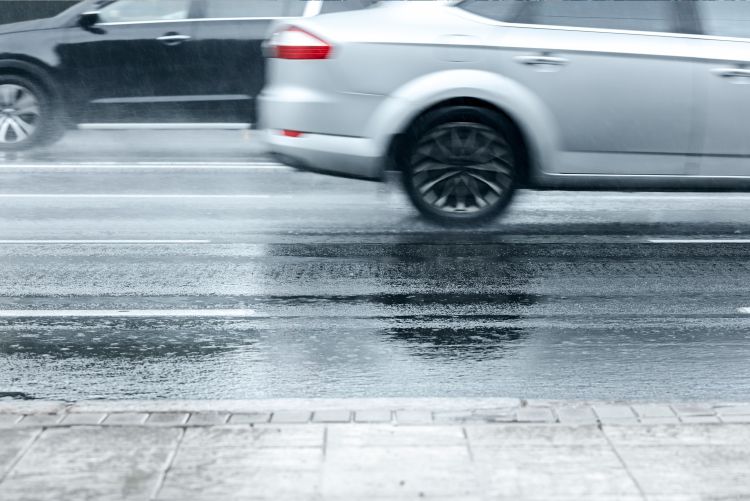
Weather significantly impacts road safety by reducing traction and visibility, making it important to adjust your driving behaviours during heavy rain, snow, or fog. Driving too fast for the conditions is a major cause of seasonal accidents, as it takes much longer to stop on a wet or icy surface. Preparing your vehicle with appropriate tires and clearing all windows of frost are simple steps that greatly improve safety.
In the Fraser Valley, weather can shift rapidly. You might start a drive in Pitt Meadows with clear skies and hit heavy fog by the time you reach the Sumas Prairie. During these transitions, slowing down is your best tool. Defensive driving isn’t just about how you handle the steering wheel; it’s about making the smart choice to increase your margins when the road surface gets slippery.
–
Building your confidence on the road is a rewarding process that makes driving throughout our beautiful region much more enjoyable. By staying alert, respecting the rules of the road, and practicing the defensive habits we’ve discussed, you are doing your part to keep our community safe. Whether you are a new driver just starting out or a senior driver looking for a quick refresher, the commitment to safe driving pays off every time you turn the key.
To stay prepared for our local climate, be sure to review our guide on Seasonal Road Conditions in Aldergrove, and for more professional tips, explore the 5 Safe Driving Habits of Experienced Drivers to further refine your skills behind the wheel.
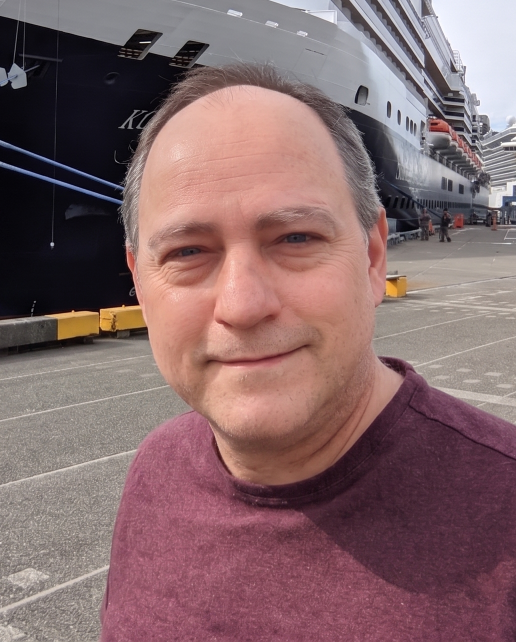
Focused on supporting the people behind the wheel and sharing their knowledge. As Valley Driving School's Instructor Supervisor, I support scheduling and the day-to-day needs of our Car Instructors from Burnaby to Hope, and am proud to bring our collective road wisdom online.
Related Articles
How to Protect Yourself in a Car Accident
If you see brake lights flash ahead and a collision is unavoidable, what is your first physical instinct? Understanding how to position your body and...
6 Times You Can Proceed On a Red Light
Think a red light always means waiting for green? Review 6 legal situations in BC where you can safely proceed on red.
Defensive Driving on Freeways
Driving at 100 km/h, your vehicle covers nearly 28 meters every single second. When responding to a sudden event, your vehicle can travel 42 meters...
