
5 Safe Driving Habits of Experienced Drivers
Once you’ve received your driver’s licence, it doesn’t mean you’re done learning how to drive. While the skills you need to drive a car may be universal in scope – the act of driving is a constant learning process.
Developing safe driving habits means having the proper legal driving requirements, keeping up on your knowledge of safe and defensive driving, as well as embracing a lifestyle that welcomes ongoing learning. The dedication to developing safe driving habits as you gain experience is of the utmost importance to you, your passengers and others on the road.
In this post, we’ll discuss the top 5 safe driving habits of experienced drivers.
Basic Car Knowledge
A good habit of any driver is to have a basic knowledge of the vehicle they’re operating – as well as all vehicles. This doesn’t mean enrolling in a mechanics course, but it does mean investigating different vehicle styles, transmissions and performance so you can familiarize yourself with the other vehicles that you’ll encounter on local roadways.
Take stock of what type of transmission you have – automatic or manual. Investigate your drivetrain – all-wheel-drive (AWD), four-wheel-drive (4WD), front-wheel-drive, or rear-wheel drive; ask questions about how each of these modes of power delivery affect traction, acceleration, and performance in inclement weather. Consider learning a bit about the basic maintenance costs of your particular vehicle, so you can make sound financial decisions as you accumulate experience as a driver. Is a $1,500 repair on a vehicle with over 300,000km worth it?
Have an Upbeat Attitude
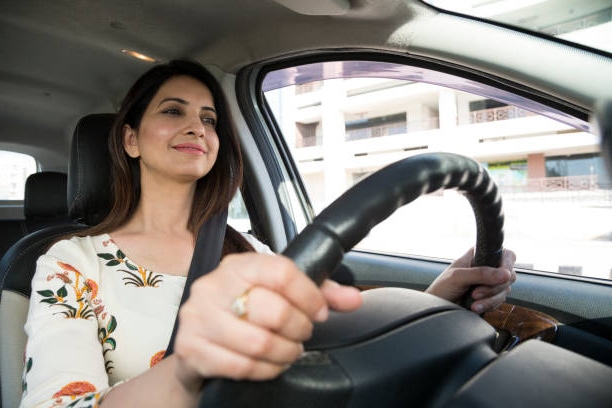
A great driving habit of an experienced driver revolves around having a positive, upbeat attitude when driving. A good driver will know when they shouldn’t be driving – even when alcohol or a similar factor isn’t involved. Your attitude can easily affect your driving.
Let’s imagine: you’re late for an important appointment across town, traffic is congested, and the driver in front of you is moving at a snail’s pace. This situation could ultimately affect your driving style, your patience level, and your ability to make safe driving decisions. Driving when you’re stressed, angry, or anxious may increase the likelihood of an altercation or accident.
Experienced drivers know that road rage, impatience, and brash driving behaviours can get drivers into trouble sometimes.
What Does Defensive Driving Mean
Possessing defensive driving skills is a talent of an experienced driver and inclusive of the broader skill of anticipating the actions of others, knowing your surroundings, and keeping your options open. Driving defensively is critical to the safety of yourself and others and promotes confidence on the road. For example:
- Observation is a skill that is learned. How often do you check your mirrors? How well can you see others around you? Are you scanning and shoulder checking while driving?
- Identifying hazards. Can you safely and confidently navigate busy roads and intersections, make lane changes, maneuver around other drivers and deal with varying weather conditions?
- Accident avoidance. Experienced defensive drivers possess the skills to get out of potentially dangerous situations without causing harm to themselves or others. Defensive driving can help minimize the risk of an accident.
Patience

Experienced drivers exercise and practice patience. This can mean waiting while an elderly driver exits a parking spot at the grocery store, or waiting while a student driver completes their first parallel park in front of you. It can also mean letting the erratic driver pass you on the highway without losing your cool – consider how your patience and forethought can impact everyday driving situations.
Exercising patience is the true test of an experienced driver. We’ll all get to where we’re going if we’re able to see that driving is a collaborative effort.
Ongoing DrivER Learning
Last but certainly not least, an important driving habit to possess, and an important life skill in general, is to always be open to learning a new skill, or welcome a new approach to a familiar situation. When we open ourselves to a life of constant learning, our driving skills become much more well-rounded and complete. Driving expertise comes by observing, asking questions and implementing the safe driving skills we’ve learned.
Even the strongest drivers will continually strive to learn and borrow good habits from other drivers. Experience will come with time, and developing safe driving habits means understanding that learning, patience and knowledge are keys to creating safe and confident drivers.

Related Articles
How to Protect Yourself in a Car Accident
If you see brake lights flash ahead and a collision is unavoidable, what is your first physical instinct? Understanding how to position your body and...

6 Times You Can Proceed On a Red Light
Think a red light always means waiting for green? Review 6 legal situations in BC where you can safely proceed on red.
Defensive Driving on Freeways
Driving at 100 km/h, your vehicle covers nearly 28 meters every single second. When responding to a sudden event, your vehicle can travel 42 meters...
