
The Impact of Autonomous Vehicles on the Trucking Industry
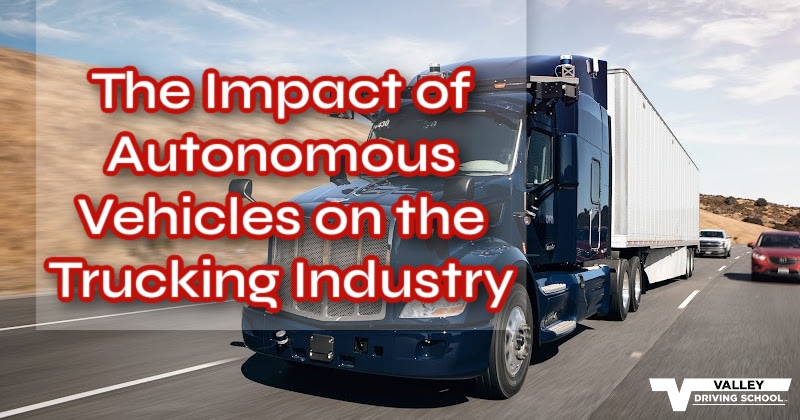
The development and adoption of autonomous vehicles have been a topic of great interest and discussion in recent years. As we look towards the future, it is crucial to examine how autonomous vehicles could potentially transform the trucking industry. In this blog post, we will explore the potential benefits and challenges that the introduction of autonomous vehicles could bring to the trucking industry.
What are some benefits of autonomous vehicles in the trucking industry?
One of the most significant advantages of autonomous vehicles is the potential to reduce human error, which is a leading cause of accidents on the road. With advanced sensors, cameras, and artificial intelligence, autonomous trucks can react faster and make more accurate decisions, potentially reducing the number of accidents and improving overall road safety.
Autonomous vehicles can potentially enhance the efficiency of trucking operations. They can optimize routes, reduce idle time, and minimize fuel consumption through advanced algorithms. This increased efficiency can result in reduced delivery times, lower costs, and improved customer satisfaction.
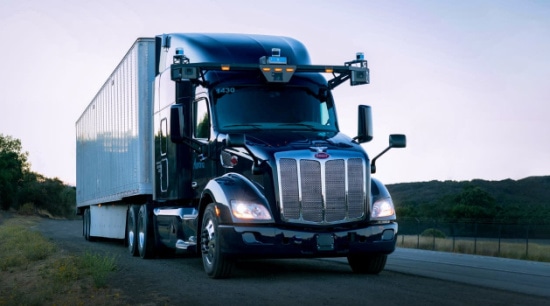
Long hours on the road can take a toll on truck drivers’ physical and mental well-being. Autonomous vehicles could alleviate some of the stress associated with long-haul journeys, allowing drivers to rest or focus on other tasks while the autonomous system takes control. This improvement in driver well-being could attract more individuals to the trucking profession and reduce driver fatigue-related accidents.
Autonomous vehicles, especially when combined with electric or hybrid technology, have the potential to contribute to a greener and more sustainable trucking industry. With optimized routing, reduced fuel consumption, and lower emissions, autonomous trucks could help mitigate the environmental impact of the transportation sector.
What are some challenges of implementing autonomous vehicles in the trucking industry?
As with any new technology, the successful integration of autonomous vehicles into the trucking industry relies heavily on the establishment of clear and comprehensive regulatory frameworks. Adapting existing laws and standards to accommodate autonomous vehicles will be a complex process that requires collaboration between industry stakeholders and policymakers.
While autonomous vehicle technology has made significant advancements, there are still technical challenges to overcome. Weather conditions, complex urban environments, and unexpected obstacles can pose difficulties for autonomous trucking systems. Further refinement and testing are necessary to ensure the technology’s reliability and safety in all driving scenarios.
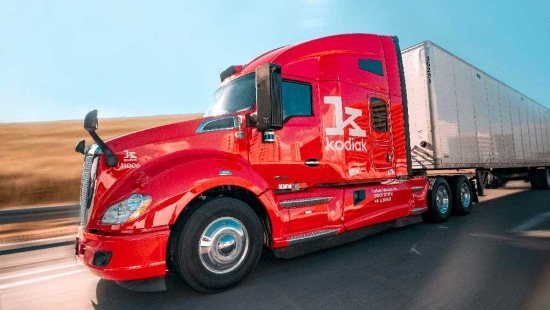
The widespread adoption of autonomous trucks may lead to concerns about potential job displacement for truck drivers. It is important to address these concerns by providing new training and employment opportunities within the evolving trucking industry or in related sectors affected by automation.
The general public’s acceptance and trust in autonomous vehicles remain key factors in their widespread adoption. Building public confidence in the safety and effectiveness of autonomous trucks will require extensive education and successful real-world deployments that demonstrate the technology’s capabilities.
–
Autonomous vehicles have the potential to revolutionize the trucking industry, delivering numerous benefits such as improved safety, efficiency, and environmental sustainability. However, significant challenges exist, including regulatory frameworks, technological limitations, workforce displacement, and public acceptance.
As the industry continues to evolve, proactive collaboration among industry stakeholders, policymakers, and the public will be crucial in addressing these challenges and maximizing the potential benefits of autonomous vehicles. By embracing this technology responsibly and thoughtfully, we can shape a future where autonomous vehicles contribute to a safer, more efficient, and sustainable trucking industry.
Related Articles
4 Types of Intersections & How to Navigate Them
Intersections are an important part of driving no matter where you are, but do you know all the different types and the rules for each?

How Car Driving Lessons Make Roads & Drivers Safer
Looking to build lasting confidence behind the wheel? Discover how car driving lessons sharpen observation skills and make BC roads safer for everyone.
Upcoming Changes to the Graduated Licensing Process
ICBC’s Graduated Licensing Program is being updated for 2026: skip the Class 5 road test and complete a 12-month safety period. Learn more about the timelines and next steps.
