
Technology on the Road: Driver Aids & the ICBC Road Test
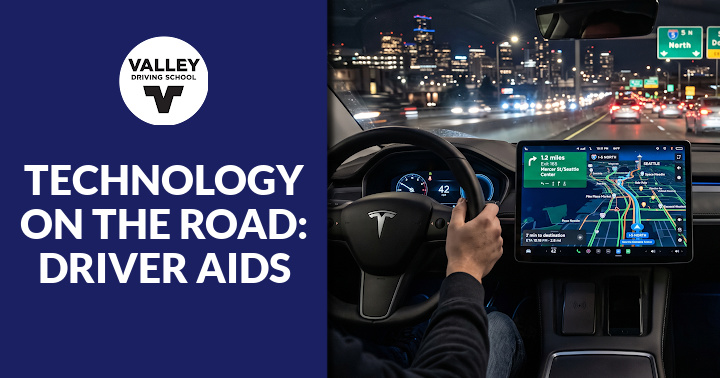
In the last few decades, cars, trucks, and vans have evolved and while the basics – four wheels, an engine, and a steering wheel – are laid out more or less the way they have been for almost a century, the technology that has been added would confound drivers from even just 50 years ago! Modern innovations have made it possible for more and more technology to be integrated into vehicles, making them faster, safer, and more economical.
In this blog post, we’re exploring what some of these technological advancements are and how they affect any drivers preparing for an ICBC road test.
Be Prepared
When new drivers are preparing for the ICBC road test, the best place to start is by reviewing ICBC’s manuals – Learn to Drive Smart and Tuning up for Drivers. These materials will identify the maneuvers drivers may be asked to perform during an ICBC road test. Drivers will need to complete these maneuvers without relying on technological driver aids.
As you prepare for your road test, it is a good rule of thumb to assume that any technology that removes control of the vehicle from the driver’s hands is typically not permitted. Some driver aids that function as tools to improve a driver’s ability to control a vehicle may be permitted, but they cannot be relied upon exclusively. Some vehicles, like Teslas, will come with a host of programming and technology that can’t always be disabled. Consult with your local ICBC branch if you have additional questions, or to ensure that your vehicle is compliant with the testing requirements.
Think of these driver aids as helpful tools, but when you’re taking your ICBC road test the examiner needs to see that you can drive safely without depending on automated features. You want to show that even if these tools help, they are not the only option you have – or need.
New technological driver aids help improve safety, but some of them can cause drivers to develop bad habits. For new drivers who are learning, technology can sometimes compensate for bad habits or a lack of knowledge. The driver is the most important part of safely operating a vehicle and they need to have the right skills to keep themselves, their passengers, and other road users around them safe.
Can I use a back-up camera on my road test?
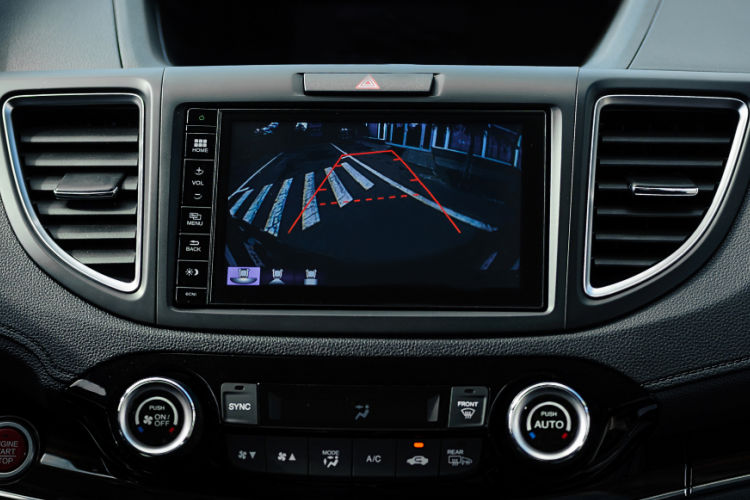
You can use the back-up camera during your road test but it should not be used exclusively, and this goes for when you are driving any other time as well. Having an on-screen view of behind your vehicle can be helpful, but continue to use your observation skills to complete mirror checks, shoulder checks, and 360° checks. Don’t make a final judgement based on the camera image alone! ICBC examiners will be watching to ensure you are not focused on just the back-up camera and instead looking in the direction you are travelling.
Can I record my road test with a dashcam?
Recording and tracking devices, like GPS and dashcams, are not permitted. If your ICBC examiner sees that you have a dash cam installed, they will request for it to be turned off for the duration of the road test. This goes for any GPS or tracking devices as well.
Can I use parking assist on my road test?
Some cars have systems that can take over steering when parallel parking or parking in a stall and all the driver has to do is control the throttle and brake. The parking assist feature should be turned off during your road test. The road test examiner is looking for your skills and knowledge for any parking maneuvers and will expect them to be completed without technological assistance.
Can I use cruise control on my road test?
As cruise control relinquishes speed control from the driver to an automated system, anyone road testing with ICBC should avoid using this feature. Cruise control can be helpful to use while driving, allowing the vehicle to maintain a consistent speed without the driver needing to actively use the throttle, but should only be used under ideal highway conditions.
Can I use autonomous emergency braking on my road test?
Many vehicles may not allow the autonomous emergency braking feature to be disabled, and if this is the case ICBC will allow the road test to proceed. We would strongly recommend not relying on this feature during your road test, however. ICBC requires drivers to demonstrate safety and control of their vehicle during the road test and if the automated emergency braking activates, ICBC could interpret that to mean you’ve failed to see the developing hazard in time, ultimately costing you a successful road test.
Can I use lane departure warning or blind spot monitoring on my road test?
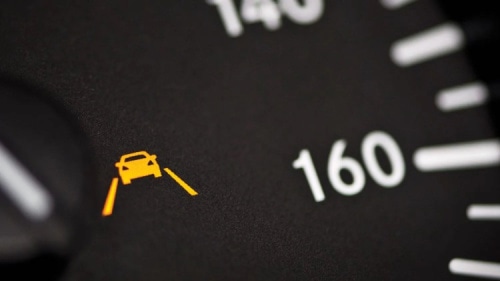
While lane departure warnings and blind spot monitors are useful tools to limit accidents and mistakes, these should not be relied on during your road test. If the lane departure warning activates, it means you’re drifting into another lane without properly indicating an intention to move over, which is something you should avoid during your test. Same goes for the blind spot monitoring.
If I have Bluetooth enabled in my car, can I answer text messages or phone calls using the handsfree feature during my road test?
If you hold an L or N licence, you are prohibited from using any hands-free devices or systems and this includes during your road test! If your vehicle has bluetooth, it should not be used by any drivers with an L or N licence. As it should be whenever you drive, your mobile should be turned off and put away during your road test.
I only have access to an electric vehicle for my road test. Is this permitted?
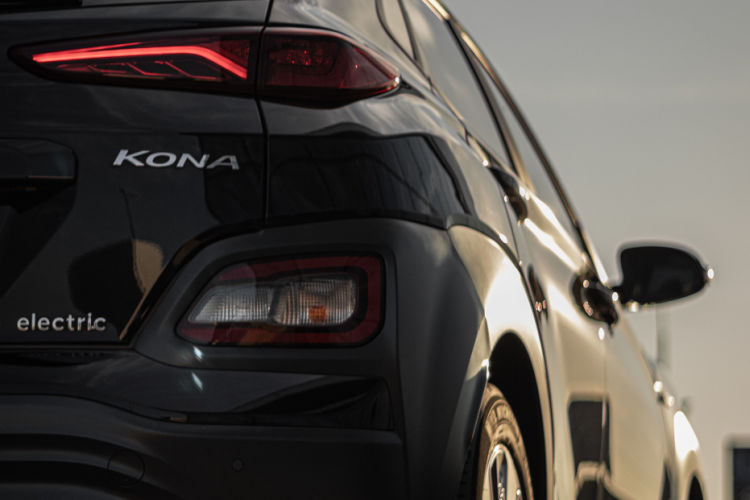
You may use an electric vehicle for your road test, just ensure it has sufficient charge to complete the test.
The Golden Rule of Road Test Tech
At the end of the day, vehicle tech keeps making our roads safer, but driver aids should only ever be used as secondary tools. During your road test demonstrate proper, foundational driving techniques – such as checking your mirrors, performing shoulder checks, and maintaining full control of your vehicle. You need to show the examiner that you have the skills to drive safely, with or without the technology.
–
When it comes to the ICBC road test and what is allowed, it’s always best to confirm with the examiner before the road test begins. ICBC wants you to feel prepared, confident and comfortable, and the examiners are always available and ready to answer your questions before you hit the road together. You can even fill out a Ready for Your Road Test card to hand in, giving you a chance to request certain behaviours from the examiner, ask any questions, or address any concerns you may have!

Related Articles
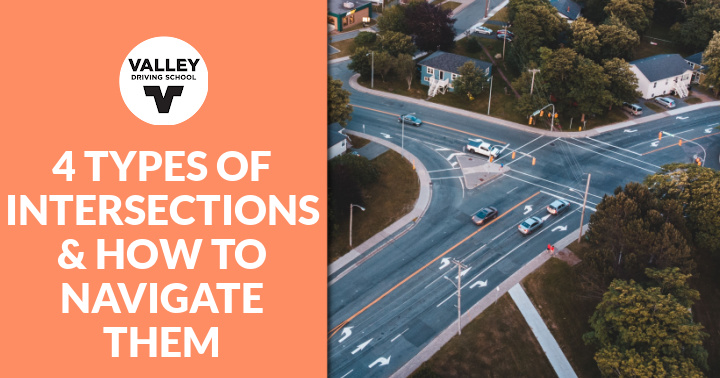
4 Types of Intersections & How to Navigate Them
Intersections are an important part of driving no matter where you are, but do you know all the different types and the rules for each?
How Car Driving Lessons Make Roads & Drivers Safer
Looking to build lasting confidence behind the wheel? Discover how car driving lessons sharpen observation skills and make BC roads safer for everyone.
Upcoming Changes to the Graduated Licensing Process
ICBC’s Graduated Licensing Program is being updated for 2026: skip the Class 5 road test and complete a 12-month safety period. Learn more about the timelines and next steps.
