
Upcoming Changes to the Graduated Licensing Process
For millions of British Columbians, the journey to a full Class 5 driver’s licence has long been defined by the two-stage, multi-year Graduated Licensing (GLP) process, which concluded with a second road test. In a move that signals the most profound change to driver licensing in over two decades, the BC government has removed that final road test, fundamentally altering how new drivers achieve full privileges.
These extensive reforms took effect October 19, 2026 and aim to create a more accessible, modern, and safety-focused system. The hope is to move away from high-stress, single-moment evaluations toward rewarding sustained, consistent safe driving over time.
Why Was the Class 5 Road Test Eliminated?
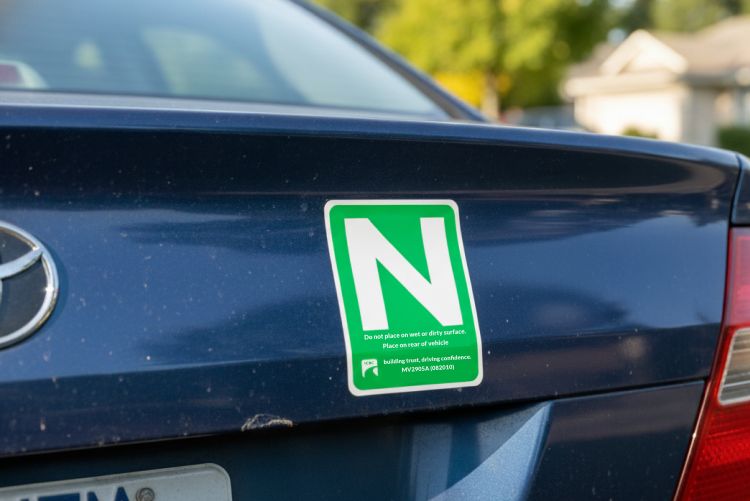 The most impactful change for current and future drivers is the elimination of the second road test to move into the Class 5 licence stage. This requirement, often seen as a significant hurdle, particularly for those battling test anxiety or living far from testing centres, is now a thing of the past. The decision stems from several key motivations:
- Reducing Barriers: Removing the test lowers the barrier to entry for drivers in remote and Indigenous communities who face logistical challenges and long wait times for road test appointments.
- Addressing Backlogs: It provides significant relief to ICBC’s testing system, which has often struggled with lengthy backlogs, frustrating new drivers waiting to upgrade their licences.
- Shifting Focus: The goal is to evaluate driving ability over a sustained period, rather than judging a driver’s competence based on a single, snapshot performance on test day. The government believes a clean driving record over several years is a better indicator of future safety than a passing score on a single exam.
What Replaces the Final Road Test Requirement?
While the test is gone, accountability is not. The Class 5 road test has been replaced by a Driving Record Assessment (DRA) where drivers must demonstrate safe driving with a clean driving record during their Novice (N) licensing stage, followed by a stringent 12-month restriction period and an unyielding commitment to safety.
Drivers who already met the requirements on October 19, 2026 received a one-time automatic upgrade to Class 5 with Restriction 55. Everyone else applies for a Driving Record Assessment at a licensing office once they reach their Earliest Exit Date, which is listed on their driving record.
During this 12-month restriction period (Restriction 55), new Class 5 drivers must drive with zero blood alcohol content and zero blood drug content. Violations on your driving record also face greater scrutiny during this time.
If you receive a prohibition or suspension, the 12-month period restarts from the date your licence is reinstated. That means another full 12 months before the restriction comes off. This mechanism ensures that the privilege of a full privilege licence is earned through sustained, responsible behaviour.
Will the Licensing Timeline Be Shorter for Everyone?
The reforms also acknowledge that not all new drivers are the same. Recognizing that drivers who start later in life (aged 25 and older) generally have statistically lower crash rates than their younger counterparts, the GLP timeline has been accelerated for this demographic.

Before October 19, 2026, all new drivers had to spend a minimum of 12 months in the Learner (L) stage, followed by at least 24 months in the Novice (N) stage (or 18 months with approved driver training). For drivers aged 25 and older, the time required in the early stages has been significantly shortened:
- The minimum time in the Learner (L) stage is now 9 months, down from 12.
- The minimum time in the Novice (N) stage is now just 12 months, down from 24, provided the driver maintains a clean record without any suspensions or prohibitions.
This means a faster, more logical pathway to full licensing for older new drivers, respecting their maturity while still ensuring they complete a thorough learning period and the final 12-month probationary period.
Are There New Rules for Motorcycle Riders?
The commitment to safety extends beyond four-wheeled vehicles. Regulatory changes to the Motorcyclist Licensing Program (MLP) will likely come into effect in 2027. Proposed new legislation introduces a dedicated and more rigorous Motorcyclist Licensing Program (MLP), reflecting the inherent risks of riding and the overrepresentation of motorcyclists in serious crashes. The proposed MLP changes potentially include:
- Extended Learning Periods: Longer learning and restriction phases, potentially up to 18 months (or 12 months with approved training), to ensure riders build complex skills and situational awareness before being granted full privileges.
- Mandatory Protective Gear: New regulatory requirements will detail mandatory protective gear standards, emphasizing injury prevention from day one of learning. These standards would ensure new riders are adequately protected during their most vulnerable learning phase.
How Will These Changes Affect Road Safety Overall?

Ultimately, the goal of these GLP reforms is not simply administrative—it’s about improving road safety. By extending the period of scrutiny and focusing on behavioural consistency (the 12-month monitoring period) rather than technical skill on a single day (the final road test), the government hopes to embed a deeper, more permanent commitment to safe driving. This approach is intended to:
- Reduce High-Risk Driving: By applying zero alcohol and drug rules and closer scrutiny of violations during the restriction period, it discourages risky habits from forming during a driver’s most vulnerable years, particularly the transition years out of the formal learning phase.
- Reward Responsibility: It rewards drivers who consistently follow the rules, recognizing that a clean two or three-year record is a better predictor of long-term safety than a passing score on a single exam.
The government believes that making the journey less about passing a test and more about practicing responsibility will lead to better, safer, and more courteous drivers across British Columbia’s roads.
What Should “N” Drivers Expect Now?
With the legislation passed, the changes took effect on October 19, 2026. ICBC sent letters to N-stage drivers explaining how the changes affect them and what to do next. Eligible drivers who had already reached their required time received a one-time automatic upgrade to Class 5 with Restriction 55, provided they met all of the following criteria:
- At least 24 months of safe driving (or 18 months, if you’ve completed an approved GLP course during the learner phase) if you’re under 25 years old.
-
At least 12 months of safe driving if you’re 25 or older
-
No convictions for excessive speed or use of electronic devices during that time
-
No prohibitions or suspensions during that time
If you didn’t receive an automatic upgrade, once you’ve met all of the above criteria you can visit your nearest ICBC Driver Licensing Office or Service BC office for a Driving Record Assessment and upgrade your licence.
More details on these changes can be found on official ICBC and government announcements. These changes mark a new chapter for new drivers in BC, promising a more efficient, yet equally demanding, path to the independence of a full driver’s licence.

Related Articles

How to Protect Yourself in a Car Accident
If you see brake lights flash ahead and a collision is unavoidable, what is your first physical instinct? Understanding how to position your body and...

6 Times You Can Proceed On a Red Light
Think a red light always means waiting for green? Review 6 legal situations in BC where you can safely proceed on red.
Defensive Driving on Freeways
Driving at 100 km/h, your vehicle covers nearly 28 meters every single second. When responding to a sudden event, your vehicle can travel 42 meters...
