
Transfer Your Driver’s Licence to BC: Car Licences
Moving to a new province or country involves a long list of logistical tasks, and ensuring you can legally get behind the wheel is often at the top of the list. British Columbia is a beautiful place to explore by road, and before new residents can get going they must navigate a specific process for their drivers licence. There are different processes for different types of licences, and today we’re exploring the process for passenger vehicles.
Planning ahead is particularly important for those who might need to book a road test to complete their transfer. Understanding the timeline and requirements for a driver’s licence transfer will make the transition to BC much smoother, and we’re breaking it down for you!
What is the timeline for transferring a licence in BC?
Most people moving to the province have a 90-day grace period to switch their existing licence to a BC licence. This window allows you to get settled before visiting an ICBC office to handle the paperwork. While the 90-day rule applies to the majority of new residents, there are exemptions for some drivers. Drivers can continue to drive on their current and valid licence if they fall into one of the following categories:
- Tourists: If you are visiting for up to six months and hold a valid licence from elsewhere, you are generally exempt.
- Full-time Students: Students enrolled in a designated educational institution in BC can often drive using their out-of-province or international licence for the duration of their studies.
- Seasonal Agricultural Workers: Individuals participating in the federal Seasonal Agricultural Worker Program (SAWP) can drive for up to 12 months on a valid licence from their home jurisdiction. To qualify for this exemption, you must have a valid work permit specifically designating you are in the SAWP. It is highly recommended to carry your work permit and an International Driving Permit alongside your original licence to satisfy any road-side documentation checks.
If you stay beyond these periods or your status changes, you must apply for a BC licence to continue driving legally.
Moving from a Canadian Province or the United States
If you are moving from another Canadian province or the United States, the process is typically a straightforward reciprocal exchange. Since BC has agreements with these jurisdictions, you usually will not need to take a knowledge test or road test, provided your current licence is valid or has been expired for less than three years.
A significant factor in this process is the “two-year rule.” To receive a full, non-learner BC licence immediately and bypass the Graduated Licensing Program (GLP), you must prove you have at least two years of non-learner driving experience. If you have less than two years of experience, you will be placed into the appropriate level of the GLP to complete your training.
When you visit the ICBC licensing office, you will be required to surrender your previous licence. It is also highly recommended to obtain a driver’s abstract or a “letter of experience” from your previous home. This is because the “issue date” printed on many licences only reflects the date of your last renewal, not the total number of years you have been driving. Depending on which province you are moving from, ICBC may already have your driving experience and information on file. Proving your full history can help you avoid unnecessary restrictions and may even lead to better insurance rates.
International Transfers and Non-Reciprocal Jurisdictions
British Columbia has reciprocal licensing agreements with several countries, including the United Kingdom, Germany, Japan, and South Korea. Drivers from these locations can often exchange their passenger vehicle licences without additional testing.
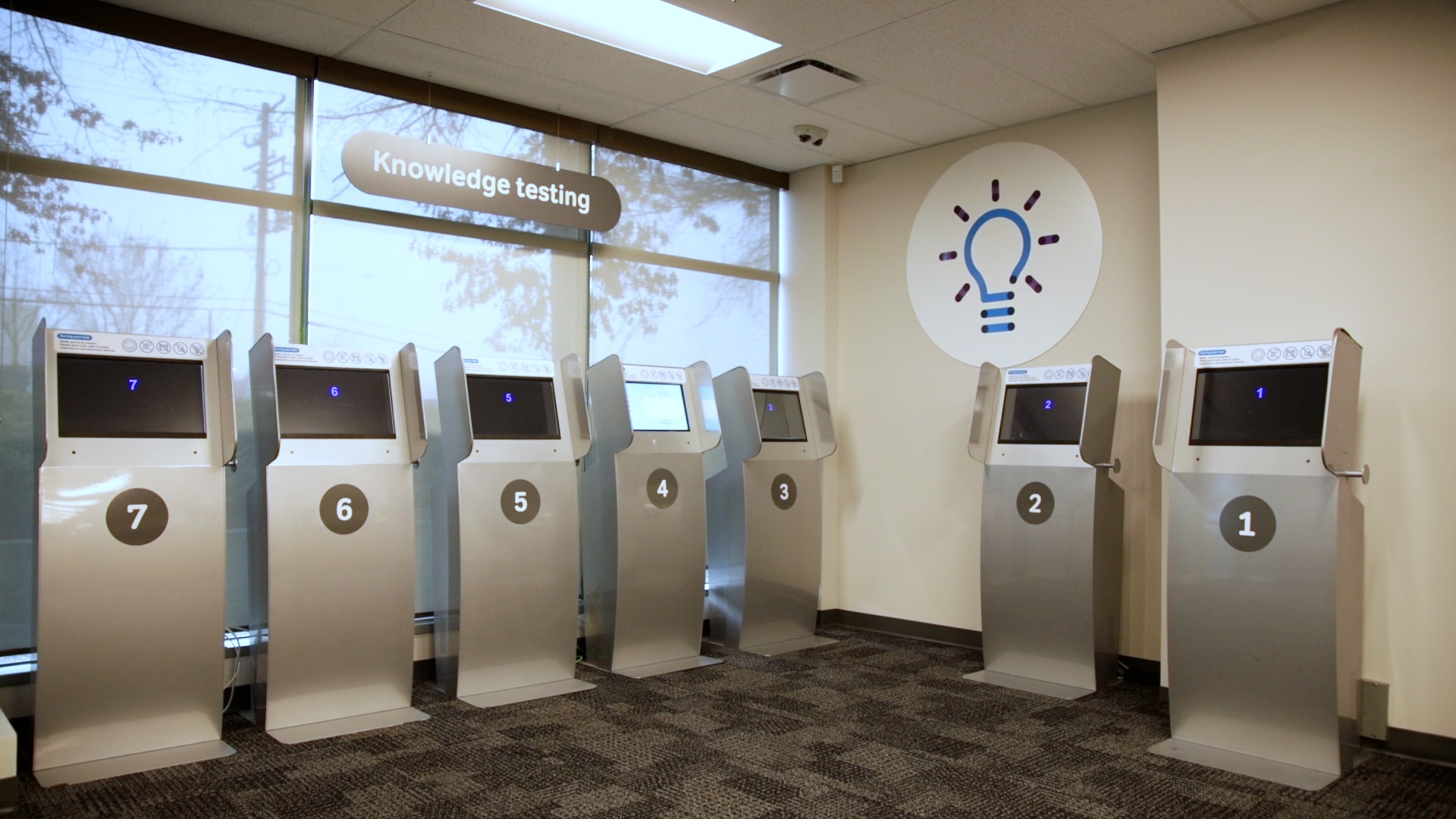
If your licence is from a country that does not have a reciprocal agreement with BC, you will need to complete both a knowledge test and a road test before you can receive your new licence. You must first qualify on the knowledge test before you are eligible to book an appointment for your road test. Because booking a road test can sometimes take several weeks or months, we recommend starting this process shortly after you arrive in the province.
The licensing process applies to many common countries of origin for new residents, such as India, China, and the Philippines, where no such exchange agreement currently exists. This process also applies to newcomers from Ukraine, but with added support to help navigate the transition. To ensure that your proficiency in English does not stand in the way of proving your driving knowledge, ICBC specifically offers the passenger vehicle knowledge test in 12 languages: English, Arabic, Cantonese, Croatian, Farsi, French, Mandarin, Punjabi, Russian, Spanish, Vietnamese, and Ukrainian. Furthermore, the province provides free over-the-phone interpretation services in more than 170 languages to assist with the administrative portions of your appointment. For those who may have missing or incomplete documents due to the war, ICBC and the BC government have established procedures to help verify identity or residency when standard primary ID is difficult to obtain.
Preparing for Your ICBC Appointment
When you are ready to start the licensing transfer process, you will need to book an appointment at an ICBC Driver Licensing office. Preparation is key to ensuring you make as few trips as possible.
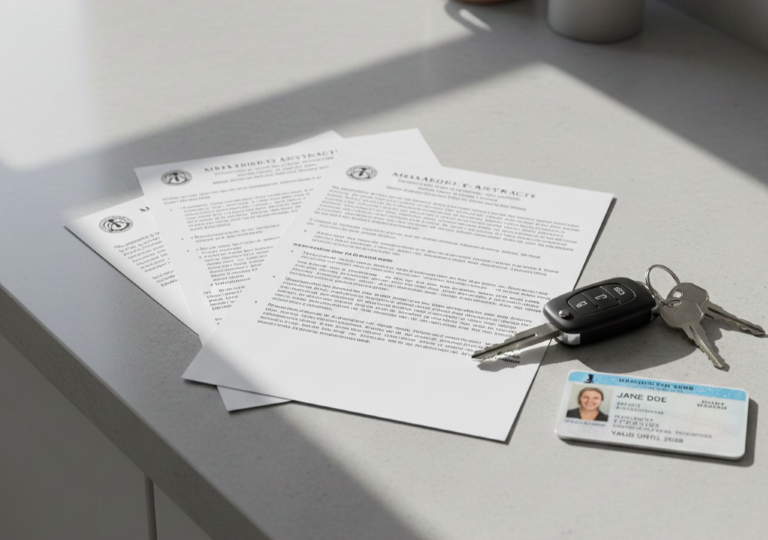
Ensure you have the following items ready:
- Required ID: You must provide one primary and one secondary piece of identification.
- Current licence: You must surrender your out-of-province or international licence.
- Fees: There are fees for knowledge tests, road tests, and the licence itself.
- Proof of Experience: An original driver’s abstract or letter of experience from your previous licensing authority.
Notably, you no longer need to provide proof of your previous insurance history to ICBC. Instead, your insurance premiums will be calculated based on your driving experience and any crash-free years you have accumulated.
–
Navigating the roads of British Columbia, from the bustling, interconnected streets of Surrey to the growing community routes and farm belts of Langley, is a beautiful experience, but it requires a valid licence and a clear understanding of local rules and regulations. Transferring your licence can be a stress-free part of your move; by gathering your documents early and understanding the specific requirements for your situation, you can ensure a smooth transition.
We look forward to seeing you out on the road as you enjoy your new home!
Stay tuned for Part 2 of this series, where we will dive into the professional side of driving – covering commercial licence transfers, ride-sharing requirements, and the unique challenges of BC’s mountain terrain.
For further reading on getting a driving licence in British Columbia, explore our other blogs How Do You Update Your Driver’s Licence From Another Country? and Licensing Tips and Tricks.
Related Articles
Guide to the Online ICBC Knowledge Tests
Think back to the day you went to get your learner’s licence. Remember sitting in that crowded office, flipping through a paper guidebook, and feeling...

6 Tips to Prepare for the Class 5/7 Learners Test
If you’re itching to get behind the wheel of a car in the province of British Columbia, you’ll first have to successfully complete the ICBC knowledge test. The class 5/7 knowledge test, issued by ICBC, is the first stage in attaining your licence. In this post, we’ll discuss what to expect on that test and some ways to help you prepare!
BC Digital Licensing is Coming: What You Need to Know
We're looking at the modernization of BC's licensing system under the Bill 6 Motor Vehicle Amendment Act, including the shift toward online licence renewals.
