
Safe Driving Tips for Seniors
The morning sun catches the peaks of the Golden Ears as you merge onto the highway, a route you have driven thousands of times. Yet, as traffic patterns shift and vehicles move faster than they once did, that familiar sense of ease might feel a little more fragile. Maintaining your independence behind the wheel is not just about keeping a car; it is about keeping the skills that allow you to navigate the Fraser Valley with total peace of mind.
Refreshing your driving skills as a senior isn’t about starting over; it is about refining the habits that keep you in control. Whether you are navigating a busy intersection or preparing for a routine check-in with ICBC, a few practical adjustments can make all the difference. Let’s look at the core habits and strategies that help you stay behind the wheel with total peace of mind.
Why is driving confidence important for seniors in BC?

Maintaining driving confidence allows seniors to stay connected to their communities, attend appointments, and visit family without relying on others. In British Columbia, where geography often requires a vehicle for basic mobility, safe driving habits are the key to longevity on the road. A proactive approach to skill-building reduces stress and ensures safety for everyone.
Confidence on the road is a balance of experience and adaptation. Many drivers in the Fraser Valley have decades of experience, but road infrastructure and vehicle technology change rapidly. For example, navigating the heavy commercial traffic on Highway 1 through Abbotsford requires different timing and spacing than it did twenty years ago. By focusing on defensive driving and physical awareness, you can ensure that your experience remains your greatest asset.
What are the best safe driving habits for seniors?
The best driving habits for seniors include maintaining a generous following distance, performing consistent 360-degree vision checks, and planning routes to avoid high-stress conditions. These habits compensate for changes in reaction time and peripheral vision. Prioritizing predictability over speed helps ensure that other drivers can easily anticipate your movements in traffic.
- Master the 3-Second Rule
Following distance is your best friend. By maintaining at least three seconds of space between you and the vehicle ahead, you give yourself a massive safety buffer. This is especially helpful when driving through busy stretches like King George Boulevard in Surrey, where sudden stops are common. If the weather is poor, increase this to six seconds.
- The Mirror-Signal-Shoulder Check
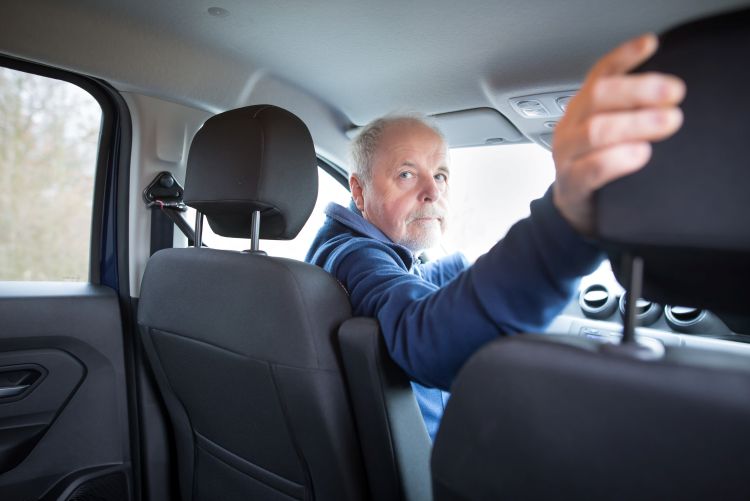
This sequence is the foundation of a proactive defensive driving strategy. As we age, neck flexibility can decrease, making shoulder checks feel more difficult. However, they remain the only way to truly clear your blind spots. Regular stretching and properly adjusted mirrors can help make this vital safety check much more comfortable.
- Predictable Lane Positioning
Stay centered in your lane and avoid hugging the lines. Clear lane positioning tells other drivers exactly where you intend to be. When preparing for a turn, ensure you are in the correct lane well in advance to avoid last-minute maneuvers that can cause confusion for others on the road.
- Minimize In-Car Distractions
Modern vehicles are full of screens and buttons, but our focus should remain outside the windows. Adjust your climate control and radio before you leave the driveway. If you are navigating a complex area like Highway 7 in Coquitlam, silence your phone to ensure 100% of your cognitive energy is directed at the road.
- Adapt for Visibility
Night driving and heavy rain present unique challenges. If you find the glare from oncoming headlights or the dim light of dusk frustrating, plan your trips for mid-morning or early afternoon. Avoiding the “golden hour” when the sun is low can significantly reduce eye strain and improve your reaction times.
- Listen to Your Body
Safe driving starts before you turn the key. If you are feeling particularly tired, stiff, or stressed, it is okay to wait an hour or choose a different way to travel. In many parts of the Fraser Valley, we now have the luxury of accessing ride-sharing services or HandiDART practically at a moment’s notice. Being honest with yourself about your physical and mental fitness for the day is a hallmark of an experienced, responsible driver.
- Choose the Best Routes
Sometimes the fastest route is not the safest. Choosing a route with protected left-turn signals rather than unprotected turns across traffic can take the pressure off. Plan your path to include right-hand turns where possible, as these are statistically much safer and less stressful to execute.
How can seniors manage difficult driving environments?
Seniors can manage difficult environments by choosing off-peak hours for travel and using “low-stress” routes that avoid complex highway interchanges. When faced with busy intersections, it is helpful to scan 12 seconds ahead to anticipate light changes and pedestrian movement. Reducing speed slightly in high-traffic areas also provides more time to process information.
Busy areas, such as the shopping districts in Chilliwack, often feature a mix of pedestrians, cyclists, and heavy vehicle traffic. To manage these situations, keep your eyes moving. Avoid “staring” at the car directly in front of you; instead, scan the sidewalk and the far side of the intersection. This situational awareness allows you to spot a potential hazard, such as a car pulling out of a parking stall, long before it becomes a crisis.
When should you book a senior driving refresher lesson?
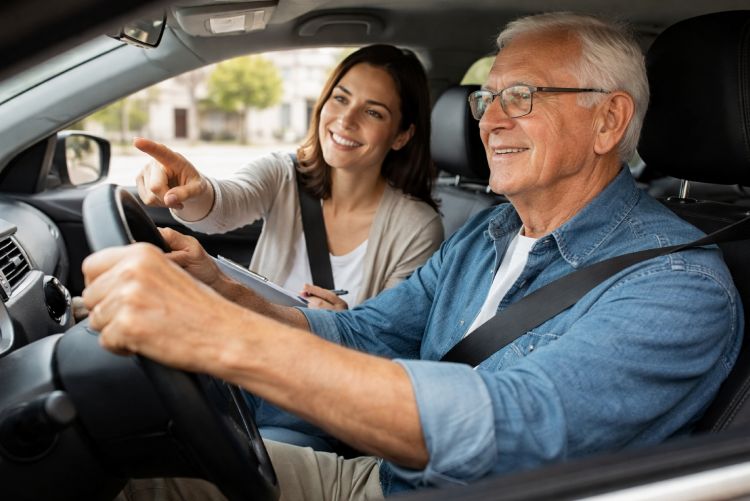
You should book a senior driving refresher lesson if you feel anxious in heavy traffic, have received a medical referral from RoadSafetyBC, or have experienced minor “fender benders.” These lessons provide a low-pressure environment to correct old habits and learn new defensive techniques. Professional feedback can often resolve safety concerns that family members may be worried about.
It is common for family members to express concern about a loved one’s driving. Rather than letting this become a point of conflict, a professional evaluation provides an objective, expert opinion. Many seniors in the Fraser Valley find that just one or two sessions with a calm instructor help them feel significantly more “in control.” Whether you are preparing for a mandatory re-test or just want to sharpen your skills, a refresher driving lesson is a proactive way to protect your license.
How can professional training help maintain independence?
Professional training helps maintain independence by identifying specific areas for improvement and providing the tools to fix them. Instructors trained in senior-focused education understand how to adapt techniques for physical changes, such as reduced mobility. This targeted approach builds the skill level necessary to pass ICBC evaluations and continue driving safely for years to come.
Professional refresher training provides a supportive and patient environment for experienced drivers who want a simple update on modern rules and defensive strategies. These sessions move at a comfortable pace, focusing specifically on the areas that build confidence, such as merging onto a highway or navigating a new roundabout. This personalized approach to defensive driving is designed to help you stay mobile, active, and safe within your own community.
Senior Driver Frequently Asked Questions
What is the safest time of day for seniors to drive?
The safest time for seniors to drive is typically mid-morning, between 10:00 and 14:00. This window avoids the heavy congestion of morning and afternoon rush hours while ensuring maximum natural light. Driving during these hours reduces the glare from low-angle sun and the difficulty of navigating in low-light or night conditions.
When should seniors take refresher driving lessons?
Seniors should consider a refresher lesson if they feel increasing anxiety in heavy traffic, have experienced a “near miss,” or have received a medical notice from RoadSafetyBC. Taking a lesson proactively, rather than waiting for a mandatory requirement, helps maintain confidence and allows an expert to correct minor habits before they become safety concerns.
What cars are safest for elderly drivers in Canada?
The safest cars for seniors include models with high visibility, easy-to-read dashboard displays, and advanced safety features like blind-spot monitoring and automatic emergency braking. Vehicles with a higher seat height can also make entry and exit more comfortable, reducing physical strain that might otherwise affect driving focus.
–
Retiring the keys is a major milestone, but it is one that can often be pushed further down the road with a bit of proactive practice. There is a simple joy and feeling of freedom in being able to drive yourself to a morning coffee date or enjoy a quiet cruise through the Fraser Valley on a clear, sunny afternoon. By leaning into these habits and staying sharp with modern road strategies, you can keep that independence and the peace of mind that comes with knowing you are truly ready for the drive ahead.
If you found these tips helpful, you may want to explore our other guides for more in-depth information. For a better understanding of the provincial requirements as you age, read our post on Mandatory Driver Testing for Seniors. You can also further sharpen your defensive driving skills by reviewing our guide on the 5 Safe Driving Habits of Experienced Drivers.

Focused on supporting the people behind the wheel and sharing their knowledge. As Valley Driving School's Instructor Supervisor, I support scheduling and the day-to-day needs of our Car Instructors from Burnaby to Hope, and am proud to bring our collective road wisdom online.
Related Articles
4 Types of Intersections & How to Navigate Them
Intersections are an important part of driving no matter where you are, but do you know all the different types and the rules for each?
How Car Driving Lessons Make Roads & Drivers Safer
Looking to build lasting confidence behind the wheel? Discover how car driving lessons sharpen observation skills and make BC roads safer for everyone.
Upcoming Changes to the Graduated Licensing Process
ICBC’s Graduated Licensing Program is being updated for 2026: skip the Class 5 road test and complete a 12-month safety period. Learn more about the timelines and next steps.
