
Drivers Guide to Downhill Parking
Parking downhill can be a bit tricky, but don’t sweat it! Whether you’re parking on an even surface, uphill, or downhill, knowing the ins and outs of each parking maneuver will elevate your skills. Learning the information will ensure a safe and secure parking experience, no matter if it’s a steep hill or a gentle decline!
We’ve got your next downhill parking adventure covered with some common FAQ’s we receive from students that will help you navigate downhill parking situations with confidence.
What is the best downhill parking spot?
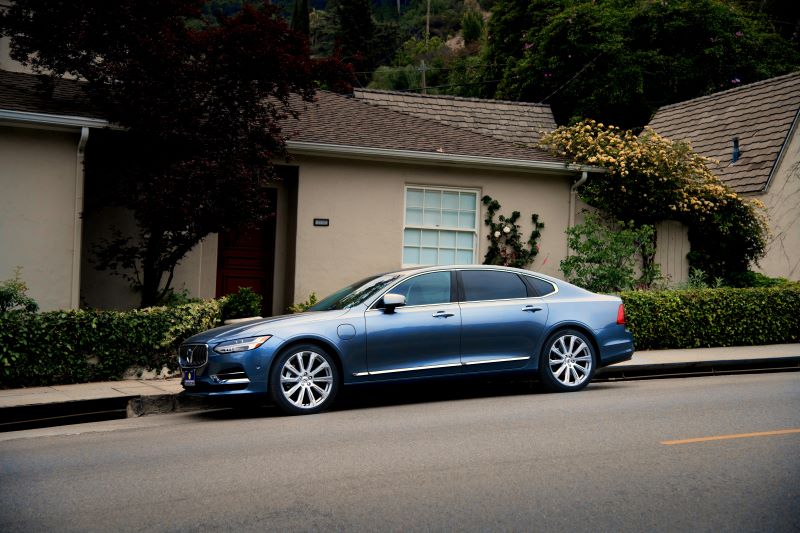
A steep incline can significantly increase the difficulty of parking and pose a safety risk so, especially when learning how to park on a downhill road, start with gentle slopes. As you become increasingly more practiced and experienced, work your way towards steeper parking spots. Gentle slopes are a great option whether you’re practicing for the first time, or even as an experienced parker, as they reduce the strain on your vehicle’s braking system and also minimizes the potential for your car to roll if the parking brake fails or isn’t fully engaged.
A gradual slope allows for a smoother parking experience. You’ll have more control over your vehicle’s movement, making it easier to maneuver into and out of the parking spot. A gentle slope reduces the risk of sudden jolts or jerks as you engage the brakes or release the parking brake. This is especially important in older vehicles or those with worn-out brake pads, as they may require more pressure to hold the car in place.
Additionally, a gradual slope minimizes the chances of your tires slipping or skidding, especially on wet or icy surfaces, because the reduced angle of the slope lessens the force of gravity pulling your vehicle downhill.
How should you approach a downhill parking spot?
As you approach your downhill parking spot, it’s crucial to maintain a calm and deliberate approach. Resist the urge to rush! Instead, ease off the gas pedal gradually, allowing your vehicle to slow down naturally. This will give you greater control over your speed and make it easier to maneuver into the spot.
Avoid sudden braking or accelerating. These actions can destabilize your vehicle, especially on a slope. By maintaining a steady pace, you can minimize the risk of your car rolling backward or forward unexpectedly. Take your time to assess the parking spot and the surrounding area. Consider factors such as the angle of the slope, the presence of obstacles, and the visibility of other drivers. This careful assessment will help you plan your parking maneuver effectively.
Which way should you turn the wheels when parking downhill?

When parking downhill, you should turn the wheels towards the curb or the edge of the road. This simple maneuver can help redirect your vehicle if the parking brake were to fail. If there’s no curb or edge, turn the wheels towards the side of the road. By combining the parking brake and wheel turning techniques, you can significantly reduce the risk of your vehicle rolling away on a downhill slope. It’s a good practice to be cautious when parking, especially with an added hazard like a downhill road, and take a few extra moments to secure your vehicle.
Another important step in downhill parking is ensuring your vehicle remains stationary. The parking brake is your primary tool to prevent your car from rolling. Before shifting into park or first gear (for manual transmission vehicles), firmly apply the parking brake. After you have applied the parking park, conduct a quick brake check by gently removing your foot from the brake pedal, watching for any movement, and to ensure the vehicle remains securely in place. If you detect any movement, re-engage the parking brake and verify its effectiveness.
How should you exit a downhill parking spot?
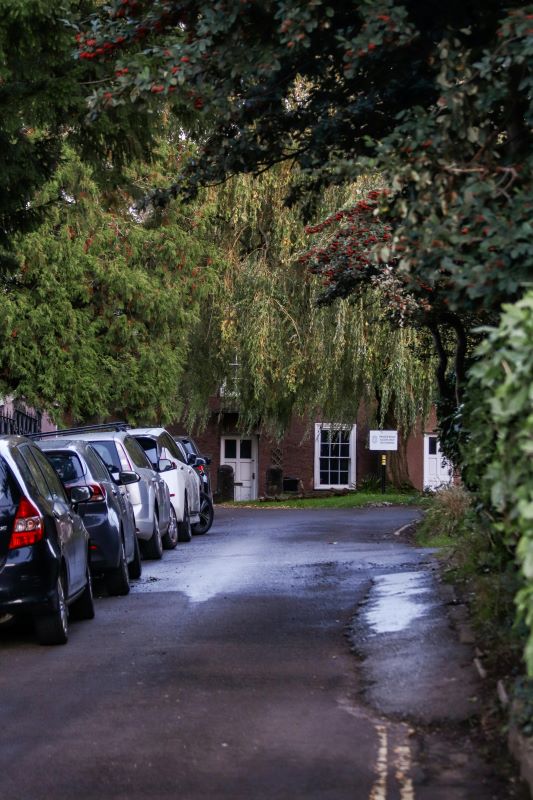
Before exiting your downhill parking spot, take a moment to assess your surroundings. Look for any potential obstacles or hazards that could impede your departure. This includes oncoming traffic, pedestrians, or objects blocking your path. Utilize your mirrors, shoulder checks, and 360 checks to gain a comprehensive view of the area. Check for blind spots and ensure there’s sufficient space to maneuver your vehicle safely, and use your turn signals to indicate your intentions to other drivers.
Proceed with caution and avoid sudden movements. Gradually release the parking brake and slowly accelerate your vehicle. Be mindful of the slope and adjust your speed accordingly. If you encounter any difficulties, such as slipping or sliding, gently apply the brakes to regain control. By taking a proactive approach and checking for clear pathways, you can ensure a safe and efficient departure from your downhill parking spot.
–
Parking downhill may seem daunting, but with these FAQ’s answered, you’re well-equipped to handle downhill parking with confidence. By incorporating these practices into your downhill parking routine, you’ll ensure a safe and successful parking experience. Happy parking!

Related Articles
Back To School: Playground & School Signs
Ready for back-to-school traffic in BC? Brush up on school zone signs and playground rules to keep everyone safe!
Drivers Guide to Hand Signals
Want to stay safe when electronic indicator lights aren't an option? We've got the info for knowing and using hand signals so you're prepared!
How to Become A Driving Instructor In British Columbia
Ready to turn your driving expertise into a rewarding career? We've got the eligibility and steps outlined here to become a licensed BC Driving Instructor.
