
Motorcycle Rider’s Guide: Riding With Passengers
Riding a motorcycle is an exhilarating experience, and can be even more enjoyable when shared with someone else! However, when you add a passenger to your motorcycle it requires additional skills and precautions. It’s important to know how to handle the added weight, the changes to motorcycle control, and adjusting your riding style for everyone’s safety.
We’re going to cover some of the finer points of riding with passengers so you can share the open road experience with family and friends!
Before You Ride
Both the passenger and the motorcycle rider should discuss different riding aspects and safety points before getting on a bike together. Communication plays a big role in sharing a motorcycle, from talking to one another while getting mounted and settled in, to having a system for communicating while riding on the open road.
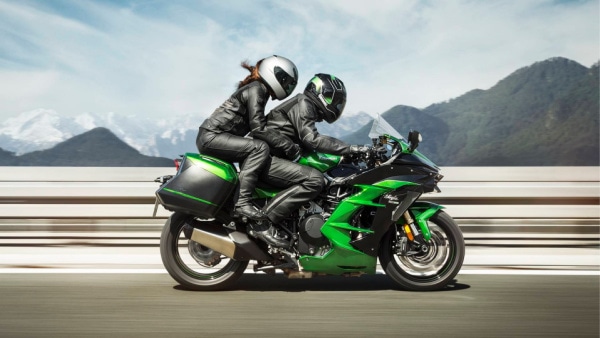
Your passenger should know what hand gestures or signals you’ll be using to communicate with other road users while riding, as well as deciding on hand gestures or signals to use between each other. For example, tapping the passenger’s leg twice could indicate that they need to hold on tighter. Or, if they need to stop they can let you know by squeezing their arms around your chest two or three times. Knowing and agreeing on these ahead of time will avoid confusion while riding.
If you need to communicate anything more complex, it’s a good idea to pull over somewhere safe and talk face-to-face. You can also invest in bluetooth headsets to have a verbal conversation while riding, but you should still have some basic signals understood in case something goes wrong with the technology.
Before hitting the road with a passenger, you need to make sure that you’re properly licensed to be carrying passengers on your motorcycle. Riders need to pass their Motorcycle Skills Test or Assessment first.
Getting Started
Mounting a motorcycle with a passenger has some challenges, so make sure to take the process slowly if either you or your passenger aren’t seasoned with riding with someone else. Before anyone gets on the bike, make sure you are both wearing a helmet, gloves, and the other safety gear needed to keep yourselves safe. Whoever is operating the motorcycle should mount the bike first, and the passenger should only join once they have the “go ahead”. Once the operator has mounted the motorcycle, they’ll need to keep the bike steady and brace for the additional weight and movement that will happen once the passenger gets on.
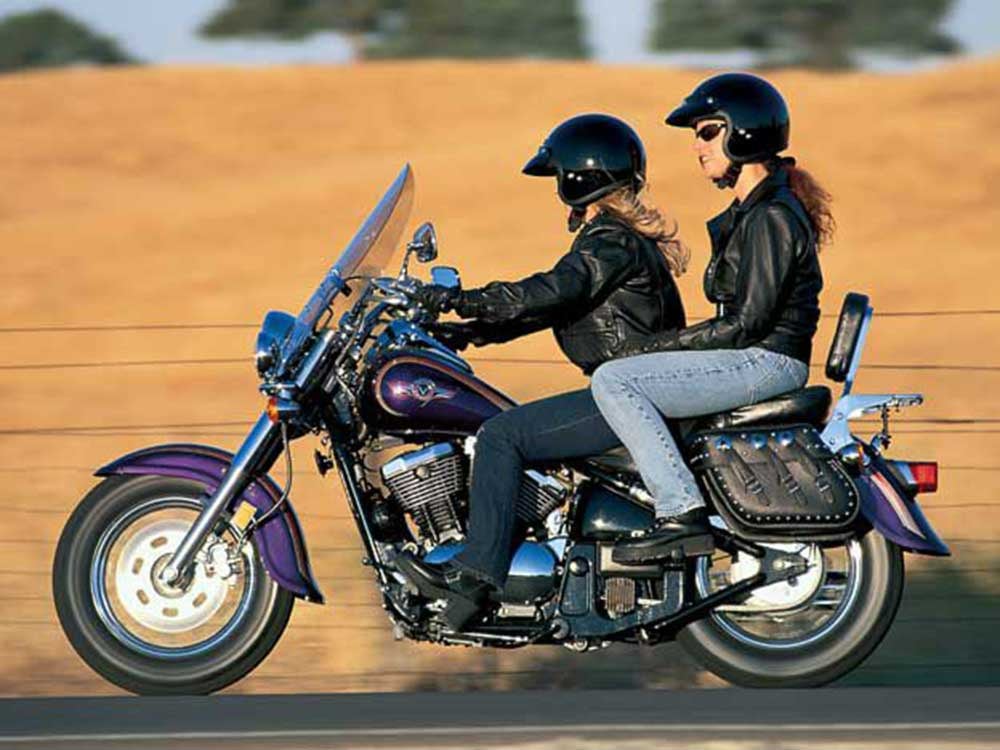
The passenger should get on the motorcycle from the left side of the bike, and should steady themselves using the operator’s shoulder and, if the motorcycle has one, the grab handle. Once the passenger has a firm hold, they should swing their right leg over the bike and sit down on the passenger seat. Motorcycles typically have a dedicated spot for the passenger to rest their feet. Depending on the bike, it may be a larger style floor board or a smaller foot peg. After your passenger has gotten settled, make sure the bike is balanced and prepare to start the engine.
Before you get moving is also a great time to figure out the most comfortable position for both of you. This includes where you are both sitting, how you are leaning, and how your passenger is holding on. Most passengers will feel safest when holding on tightly, and holding tightly will also decrease the chance of them slamming into your back when the bike stops. Depending on the motorcycle that you’re riding, the passenger seat may be more robust and equipped with handles so they don’t need to hold onto you. Other motorcycles barely have enough room for a passenger to begin with, so they’ll need to be sitting pretty close to you!
Stopping
Try to avoid sudden stops while riding, aiming for gradual braking instead. Even at times when it may seem obvious that you’re coming to a stop, like at a red light or stop sign, giving your passenger an indication of your intentions is optimal. Since they aren’t the one steering, they may not be paying as much attention to their surroundings so providing them with a signal, like a double tap on their leg, will alert them and allow them to prepare for the stop.
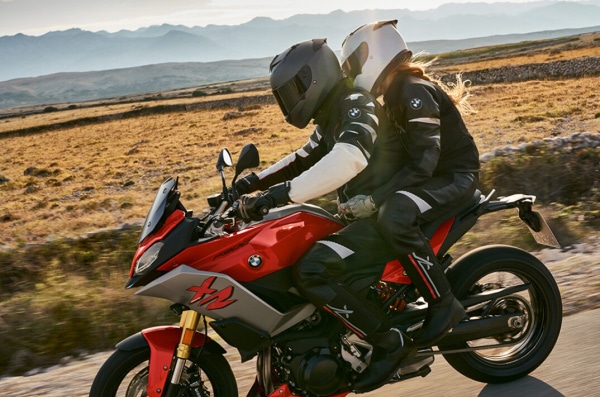
As you come to a complete stop keep the bike upright and steady with your feet firmly planted on the ground, as you would if you were riding solo. You may need to adjust your feet from where they normally are, or your passenger’s weight, to keep the bike balanced. Your passenger should keep their feet on the foot pegs while you’re stopped, helping to avoid unbalancing the bike and allowing you to start moving again when it’s time. If they need to adjust their own weight and position during a stop, they should let you know their intentions before moving around too much.
Turning
Talking ahead of time with your passenger about the expectations while turning will lead to a smoother ride once you’re on the motorcycle together. Let them know how turning and leaning works when riding a motorcycle , since this could be a foreign idea for someone who has only ridden in passenger cars!
Approach turns at a safe and appropriate speed, slowing down gradually and smoothly before you start turning. When turning, lean the bike gently in the direction of the turn and use your weight to maintain balance – just as you would when riding solo. Encourage your passenger to lean with you, and stay relaxed, while watching over your shoulder to anticipate and adjust to the bike’s movements throughout the maneuver.
As you exit the turn, gradually straighten up the motorcycle and return to your normal riding position, making sure that your passenger moves with you for a smooth transition.
–
It’s okay to take things slow and steady when riding with a passenger, especially if it’s the first time for either of you. You may want to avoid high speed roadways and sharp angles or curves, at least until you’ve both had some experience riding with or as a passenger. Safety is an important part of any motorcycle ride and if you can be safe together, the open road possibilities are endless!
Related Articles
Drivers Guide to Hand Signals
Want to stay safe when electronic indicator lights aren't an option? We've got the info for knowing and using hand signals so you're prepared!
How to Become A Driving Instructor In British Columbia
Ready to turn your driving expertise into a rewarding career? We've got the eligibility and steps outlined here to become a licensed BC Driving Instructor.
Drivers Guide to Safe Driving with Full Self-Driving in BC
Driving a modern vehicle equipped with automated driver support? Discover the smart driver habits that keep you effortlessly in control of your high-tech ride.
