
Driving Independence for Seniors: Staying Mobile in BC
For seniors in British Columbia, a driver’s licence is more than a piece of plastic. It is a direct connection to the people and places that matter most. When an ICBC Enhanced Road Assessment (ERA) letter arrives, it’s normal to feel like your driving independence may be on the line. But keeping your licence, and your freedom, is entirely achievable with the right preparation and support. Taking senior driving lessons provides the structured guidance needed to update your skills and address any unsafe habits.
Driving gives older adults the autonomy to manage their daily lives without relying on public transit or family members. It allows you to buy groceries, attend medical appointments, and participate in community events on your own schedule.
Why is driving important for seniors’ independence?
Driving is important for seniors’ independence because it offers the freedom to live actively and spontaneously. While public transit, community volunteer drivers, and walking are practical alternatives, holding a valid driver’s licence adds an unmatched layer of flexibility to your daily routine.
A vehicle is a practical tool for staying connected to the activities you enjoy. Using local transit or community ride programs is an excellent backup plan, but driving yourself means you don’t need to wait for a scheduled pick-up or navigate bus routes in the rain. Whether you are meeting friends for coffee in Burnaby or taking a weekend trip to White Rock, maintaining your driving skills preserves your everyday convenience and keeps you in full control of your schedule.
What challenges do older drivers face on the road?
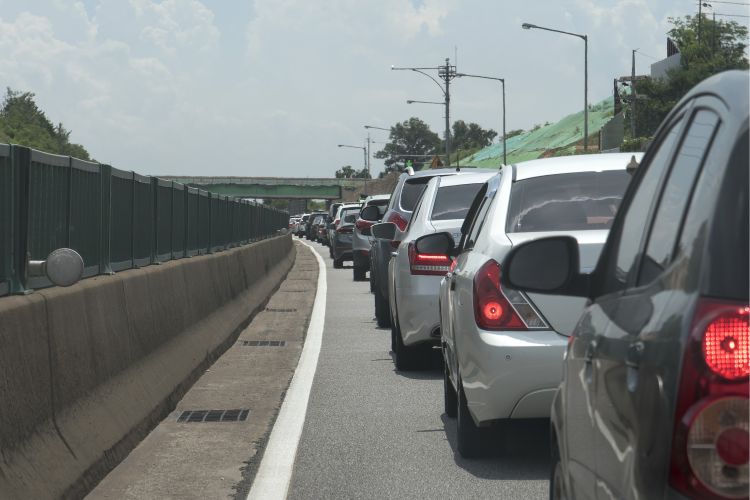
Older drivers face challenges like dense traffic, changing road layouts, and reduced visibility. Everyday physical changes, such as neck stiffness that makes shoulder checks uncomfortable or sensitivity to bright headlight glare, can also erode driving confidence. Navigating complex intersections and hurried motorists makes regular driving feel more demanding than in decades past.
The driving environment in BC has evolved rapidly over the past few decades. Roads are noticeably busier. Modern infrastructure like roundabouts, complex highway interchanges, flashing pedestrian crossings, and dedicated bus and bicycle lanes require rapid decision-making. When paired with high-intensity LED headlights and heavy commuter traffic, even routine trips can start to feel overwhelming.
Physical changes also play a direct role behind the wheel. Reduced flexibility in your neck and upper torso can turn a routine shoulder check into a physically demanding chore, which often leads to incomplete blind-spot checks during lane changes or merges. It is also common for eyes to need extra recovery time from glare on dark, rainy evenings. These physical challenges can lead to incidents and near-misses, further eroding confidence behind the wheel. Working with a professional driving Instructor helps pinpoint these hurdles, showing you practical adjustments to your seating, mirrors, and scanning habits so you stay safe without straining your body or missing observations.
How can seniors maintain driving independence?
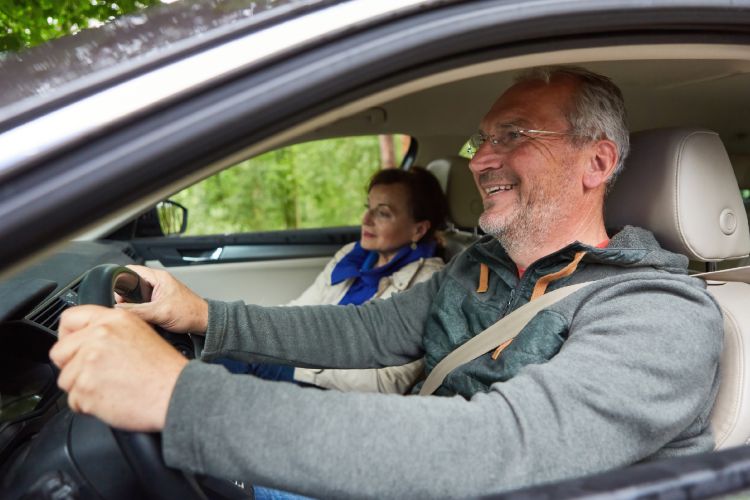
Seniors can maintain driving independence by proactively updating their skills, modifying their driving habits to suit their comfort levels, and addressing family concerns early. Preparing for assessments and practicing defensive driving ensures you remain safe and confident on the road.
To stay independent, experienced drivers need to adapt to your current abilities and recognize where you need a little extra support. The goal is to extend your time behind the wheel safely!
Take refresher driving lessons
The rules of the road change over time. Refresher lessons are the fastest way to identify bad habits you have picked up over decades of driving. An instructor can help you correct steering issues, improve your observation skills, and get comfortable with new road designs.
Learn safe driving habits ahead of an ICBC ERA
You can best prepare for an Enhanced Road Assessment by sharpening everyday driving habits rather than trying to memorize specific test routes. While driving near the local testing office helps you get comfortable with surrounding traffic patterns, genuine confidence comes from learning and practicing proper observation and vehicle control. Focus on safe driving best practices during your regular routines, and meeting ICBC assessment standards will follow naturally.
Adopt defensive driving habits
Defensive driving is about giving yourself the gift of time. By increasing the following distance to three or four seconds, you create a buffer that eliminates the need for sudden, jarring stops. Scanning twelve to fifteen seconds ahead allows you to spot potential hazards early, such as vehicles edging out of driveways or changing traffic lights. Building that physical cushion lowers mental fatigue and gives your reflexes plenty of room to work.
Focus on comfortable routes and times
Smart drivers tailor their travel to suit their personal comfort levels. Running errands mid-morning after commuter traffic has cleared makes every trip a little smoother. If bright headlight glare or heavy rain strains your eyes, scheduling appointments during daylight hours keeps you firmly in control. Adapting your travel schedule is not about shrinking your world; it is an intelligent driving strategy to make your time behind the wheel relaxed and enjoyable.
Keep practicing with professional guidance
Well-meaning family members often offer driving advice, but having an adult child or spouse critique your habits from the passenger seat can lead to unnecessary stress. A licensed Driving Instructor brings calm, neutral feedback without personal friction. Practicing tricky situations like multi-lane left turns or tight parking in a dual-controlled car allows you to sharpen specific skills with less pressure, replacing hesitation with genuine road confidence.
Real success: Passing the ERA with Valley Driving School
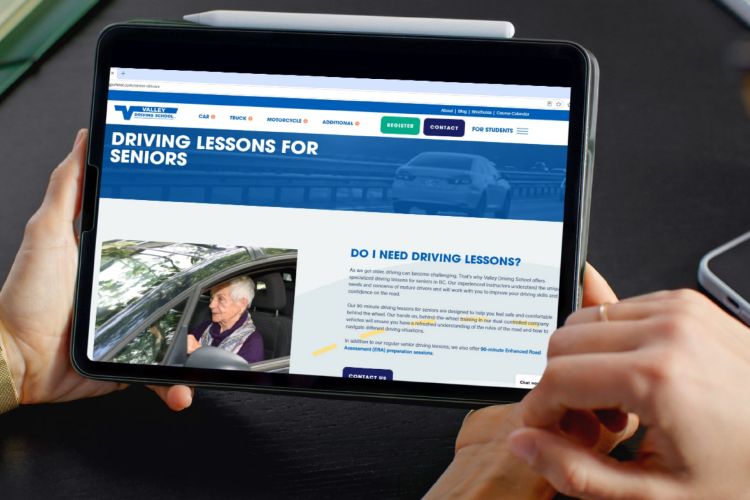
Passing the ERA is entirely possible with focused practice. One recent senior student came to Valley Driving School feeling overwhelmed by an ERA referral, but through tailored refresher lessons focused on safe driving habits, they passed their assessment and confidently kept their licence.
This student, like many others, had developed some common unsafe habits over forty years of driving. Their family was concerned, and the student was stressed about losing their mobility. By working with an Instructor to rebuild their observation skills and smooth out their steering, they turned a stressful situation into a successful outcome. They are now back on the road, managing their own errands and maintaining their independence.
Frequently Asked Questions (FAQ)
Can seniors lose their licence in BC?
Yes, seniors can lose their driver’s licence in BC, but age alone is not the reason. RoadSafetyBC cancels or restricts a licence if a medical condition or an ICBC Enhanced Road Assessment indicates safety concerns. Most seniors maintain their driving privileges or continue driving with practical conditions, such as daylight-only restrictions.
Reaching a milestone like age 80 triggers a routine Driver’s Medical Examination Report with your doctor, not an automatic road test or cancellation. RoadSafetyBC reviews these medical reports to confirm you are fit to drive. If specific concerns arise, you may be referred for an ERA to evaluate your everyday skills behind the wheel. The outcome is rarely all-or-nothing, and depending on the results, RoadSafetyBC may keep your full licence in place, apply manageable restrictions like daytime-only driving, or recommend further practice. If a driver eventually chooses to retire from driving, ICBC allows them to exchange their driver’s licence for a free BC Identification Card.
How do I prepare for an ICBC ERA?
You can prepare for an ERA by brushing up on the rules of the road and everyday safe driving habits. Focus on coming to complete stops, maintaining a safe following distance, and strictly following speed limits. Practice good observation skills, including at intersections and shoulder checks. For extra peace of mind, schedule a session with a professional Driving Instructor well in advance of your ERA. An Instructor provides an objective, calm evaluation, helping you spot subtle habits you might not even realize you have developed over the decades.
Where can seniors take refresher driving lessons in Surrey?
Seniors can take refresher lessons in Surrey by booking private in-car sessions with Valley Driving School. Drivers simply book individual lessons or tailored packages based on their needs. Instructors provide convenient home pick-up throughout Surrey and the Fraser Valley, focusing on the specific skills or local routes each driver wants to practice.
These lessons are completely flexible to your goals. If you have an ICBC assessment coming up, you can book practice time and arrange to use a driving school car for your ERA. Instruction begins in the school vehicle equipped with dual brakes for safety. If you hold a full Class 5 licence, your Instructor can evaluate your driving and may agree to conduct future sessions in your personal car, though you can always choose to stick with the dual-controlled vehicle for extra peace of mind.
–
Maintaining your driving independence as a senior is about adapting your skills and being proactive about your safety. By taking refresher lessons and preparing for an ERA early, you can keep your licence and your freedom. Book a senior driving lesson with Valley Driving School today to stay confident and mobile.

Focused on supporting the people behind the wheel and sharing their knowledge. As Valley Driving School's Instructor Supervisor, I support scheduling and the day-to-day needs of our Car Instructors from Burnaby to Hope. I am proud to bring our collective road wisdom online, where every article I share is verified through my own expertise or reviewed by another subject matter expert.
Related Articles
Is the Graduated Licensing Program Worth It?
Sitting around the kitchen table planning out driver training after getting your learner’s licence used to be simple: take a Graduated Licensing Program to knock...
Class 1 vs Class 3: Which Licence Fits the Job You Want?
You know you want to drive a commercial truck for a living. You just need to figure out which licence gets you there without wasting...
drivers Guide to Restrictions and Endorsements on Your BC Licence
Curious if your BC driver's licence has conditions? Check how restriction codes and special endorsements affect your everyday driving.
