
What is Personal, Commercial, and Professional Driving
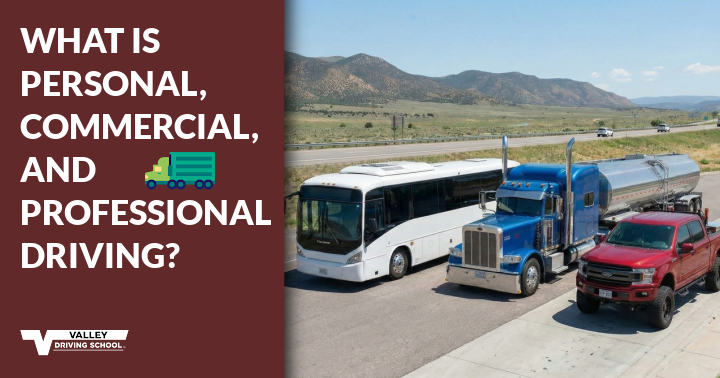
Driving is a common activity for many people, but the type of driving you do can significantly influence the regulations, responsibilities, and licensing requirements you must follow. Whether you’re commuting to work, driving for business, or working as a professional driver, understanding the differences between personal, commercial, and professional driving is valuable.
We’re breaking down these distinctions to help clarify the specific requirements that apply to each type of driving
What is personal driving defined as?
Personal driving refers to operating a vehicle for non-commercial purposes, typically for leisure or personal errands. This is the most common type of driving and applies to everyday activities such as commuting to work, running errands, or taking road trips. This is the category that most new drivers and senior drivers fall into, and it is governed by the standard Motor Vehicle Act regulations.
Licensing Requirements
 In British Columbia, personal driving requires a Class 7 or Class 5 driver’s licence. This standard licence permits drivers to operate most vehicles, including cars, vans, and small trucks, but it does not authorize the driver to operate vehicles for commercial or professional purposes. A driver may also acquire a trailer endorsement to legally tow heavier loads or recreational trailers for personal use.
Responsibilities and Regulations
When driving for personal reasons, your primary responsibilities include obeying traffic laws, maintaining safe driving practices, and ensuring your vehicle is in good condition. You must carry valid car insurance, register your vehicle with the Insurance Corporation of British Columbia (ICBC), and ensure your driver’s licence remains current.
Importantly, personal drivers are not subject to the additional regulatory layers that govern the movement of goods or passengers for compensation, such as detailed weight restrictions or strict hours of service requirements. For example, a personal driver moving furniture in a rented moving truck from Abbotsford to Chilliwack operates under personal driving rules, provided they are not being paid for the transport itself.
What is commercial driving defined as?
 Commercial driving involves the operation of vehicles that are specifically used for business or financial purposes. This includes vehicles like large transport trucks, buses, and specialized service vehicles used by tradespeople, such as delivery trucks or trucks requiring air brakes. If the vehicle’s primary purpose is transporting goods or people for compensation, it falls under the commercial driving classification. This classification places a strong emphasis on the vehicle itself and its capacity.
Licensing Requirements
In BC, commercial driving typically requires a Class 1, Class 2, Class 3, or Class 4 licence, depending on the size of the vehicle and the nature of the commercial operation. Commercial licensing usually involves specialized training, often including passing an additional air brake endorsement practical and written test.
- Class 1: Allows drivers to operate large trucks and tractor-trailers (also known as semi-trucks). Obtaining this licence involves intensive training programs like MELT (Mandatory Entry-Level Training).
- Class 2: Allows the driver to operate buses, including school buses, special activity buses, and motor coaches. This licence is required for vehicles designed to carry more than 25 passengers, including the driver, and also covers vehicles in Class 4 and 5.
- Class 3: Allows for driving medium-sized trucks, such as larger delivery trucks or dump trucks (no trailer). If the driver takes the road test in a truck with an automatic transmission, the licence will be restricted to operating automatic transmission vehicles, preventing the use of manual transmission trucks.
- Class 4: This is for smaller commercial vehicles, including taxis and buses with a capacity of up to 24 passengers. It is further divided into Class 4 restricted and Class 4 unrestricted licences, depending on the size of the vehicle you intend to operate.
In addition to these licences, commercial drivers may need to complete specialized training programs and pass medical exams to ensure they are fit to operate large or heavy vehicles safely. The licensing process for these classes includes a rigorous road test to verify the driver’s competency.
Responsibilities and Regulations
Commercial drivers are bound by stricter regulations compared to personal drivers. Their key responsibilities include compliance with hours-of-service regulations, which mandate the tracking of driving hours in a logbook to prevent fatigue-related accidents.
Furthermore, commercial vehicles must be inspected more frequently, specifically through the mandatory Commercial Vehicle Inspection (CVI) program. This inspection, often required annually or semi-annually depending on the vehicle type and weight, ensures the vehicle meets provincial safety and mechanical standards. Drivers must also adhere to federal and provincial weight restrictions, special licensing requirements for transporting hazardous goods, and other industry-specific laws. For example, a truck carrying a large shipping container from the Port of Vancouver through the Fraser Valley to Hope must meticulously comply with regulations regarding maximum axle weight, ensuring the safety of all road infrastructure and users.
A key aspect of commercial driving is carrying specialized commercial vehicle insurance, which offers coverage for the higher risks associated with using a vehicle for business purposes.
What is professional driving defined as?
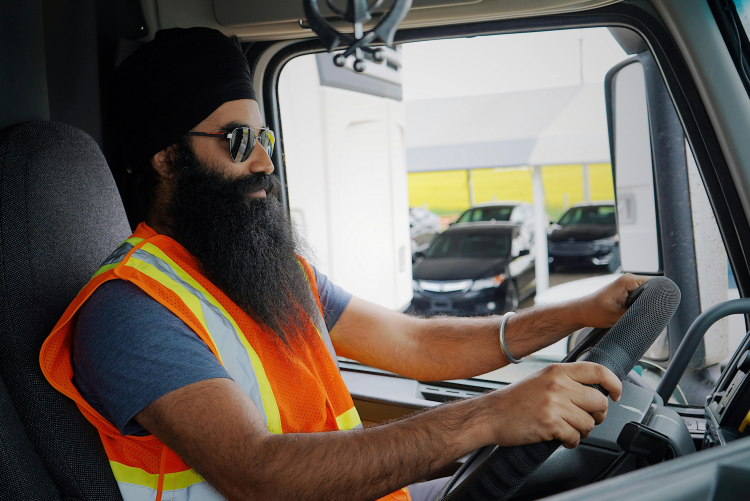 Professional driving refers to individuals who drive for a living but are not necessarily operating the heavy commercial vehicles discussed above. This group includes ride-share drivers (like Uber or Lyft), taxi drivers, couriers, and delivery drivers. The main distinction here is that the driver is paid for the act of driving or the service they provide—it focuses more on the driver’s occupation than the vehicle’s size.
Licensing Requirements
Professional drivers generally need a Class 4 driver’s licence in BC, as this allows individuals to operate vehicles that transport passengers (e.g., taxis, limousines, or small buses) or deliver goods (such as delivery vans).
However, the specific requirements may vary significantly depending on the job. For example, a person driving their personal car for a ride-share service must hold a minimum of a Class 4 restricted licence (or higher) as a legal requirement in BC, in addition to meeting stringent insurance and registration requirements specific to that industry. On the other hand, someone operating a passenger bus will require a Class 4 unrestricted licence.
Professional drivers might also be required to undergo specialized training and pass written and road tests specific to their type of work, such as defensive driving courses or specific customer service training. Additionally, they often require specialized permits or certifications depending on their employer or local ordinances.
Responsibilities and Regulations
Professional drivers have additional responsibilities beyond the basic traffic laws. These include ensuring passenger comfort and safety, maintaining a clean driving record, and providing a high standard of customer service. They may also need to comply with specific rules and codes of conduct set by regulatory bodies, particularly in the passenger transport industry in areas like Vancouver, Burnaby, or Surrey.
A key requirement for professional drivers in the ride-share industry is the display of provincial vehicle identifiers, which are often decals or stickers, on the front and rear windshields of their vehicles while operating. Furthermore, in some municipalities, the vehicle may be required to display a specific city-issued “Vehicle for Hire” licence plate (or an equivalent municipal plate/decal) in addition to the provincial identifiers.
Like commercial drivers, professional drivers are typically required to maintain appropriate commercial vehicle insurance and adhere to rigorous vehicle maintenance schedules. They must also be aware of the Motor Vehicle Act and any local ordinances that apply to their specific industry, such as specific speed limits or regulations about routes and hours of service.
–
Whether you’re driving for personal use, in a commercial capacity, or as a professional, understanding the distinctions and regulations that apply to each is valuable. By adhering to the necessary licensing requirements and safety protocols, you can ensure a safe, legal, and efficient driving experience.
If you’re considering a shift from personal to commercial or professional driving, ensure you’re prepared to meet the necessary legal and practical requirements.
Are you interested in the professional side of driving? We have plenty more insights! Check out our blog for stories and information, including The Challenges and Rewards of Ride-Share Driving and a fascinating Interview with a Truck Driver.

Related Articles
4 Types of Intersections & How to Navigate Them
Intersections are an important part of driving no matter where you are, but do you know all the different types and the rules for each?
How Car Driving Lessons Make Roads & Drivers Safer
Looking to build lasting confidence behind the wheel? Discover how car driving lessons sharpen observation skills and make BC roads safer for everyone.
Upcoming Changes to the Graduated Licensing Process
ICBC’s Graduated Licensing Program is being updated for 2026: skip the Class 5 road test and complete a 12-month safety period. Learn more about the timelines and next steps.
