
How To Recycle Your Vehicle in BC
British Columbia is viewed as a leader in sustainability, and the automotive sector in the Lower Mainland is a prime example of this commitment. From the busy streets of Langley to the scenic routes in Squamish, the way we handle a first car or manage selling a car in BC is shifting toward a circular economy. Automotive recycling is no longer just about disposing of old metal; it is a sophisticated system designed to protect our local ecosystems while supporting the economy. This includes the responsible retirement of commercial vehicles, which are increasingly part of BC’s green transition as fleets modernize for 2026.
Whether you are looking to upgrade your commute to Burnaby or simply clearing out your driveway in Chilliwack, understanding the second life of a vehicle is key to being a responsible driver.
Is your vehicle ready to be recycled?
The Answer: Before a car ever hits the recycling facility, the “reduce” and “reuse” stages are all about keeping it on the road as long as possible. By sticking to regular maintenance and fixing issues early, you can seriously stretch out the life of your vehicle. In the Lower Mainland, keeping up with these basics is the best way to handle our wet, salt-heavy environment.
While recycling is a great end-of-life solution, the most environmentally friendly car is often the one you already own. Extending the life of your vehicle often means passing on a reliable used ride to a new driver, friend, or family member. For senior drivers who may be looking to give up their vehicle entirely, ensuring that car finds a new home or is recycled through a certified facility is a great final step in their journey as a responsible road user.
Whether you are keeping your car for another decade or preparing it for its next owner, following a consistent care routine is the best way to ensure your vehicle remains a safe, high-value asset in the BC climate. Here are the key maintenance habits that make the biggest difference:
Routine Checks: Regularly checking fluids, brakes, and tires can prevent major breakdowns.
Rust Prevention: Undercoating and frequent washes during the winter months help protect the chassis from corrosion.
Quality Repairs: Choosing high-quality refurbished parts can keep a vehicle running smoothly without the high cost of new components.
By focusing on these steps, drivers can ensure they get every possible kilometer out of their investment before it is time to consider disposal.
What is automotive recycling?
The Answer: Automotive recycling is the systematic process of dismantling end-of-life vehicles to salvage reusable parts and recover raw materials like steel, aluminum, and copper. This process diverts millions of tons of waste from landfills while providing a steady supply of affordable, refurbished components (from engines to electrical sensors) for the repair industry.
When a vehicle reaches the end of its functional life, it is not simply crushed. Modern facilities in the Lower Mainland employ skilled technicians who carefully disassemble the car to identify every part that can be reused. This includes mechanical staples like the engine and transmission, but also increasingly valuable electronics, wiring harnesses, and high-tech sensors.
Each salvaged part is inspected and cleaned, often becoming a reliable and cost-effective option for other drivers in the community. Once all reusable parts and valuable metals are harvested, the remaining frame, which is primarily steel, is prepared for the shredder.
How does the recycling process work for cars and trucks?
The Answer: The process begins with “de-pollution,” where hazardous fluids like oil and coolant are drained to prevent environmental contamination. Following this, valuable metals and parts are removed, and the remaining hull is shredded into small pieces to be sorted by material type for industrial reuse.
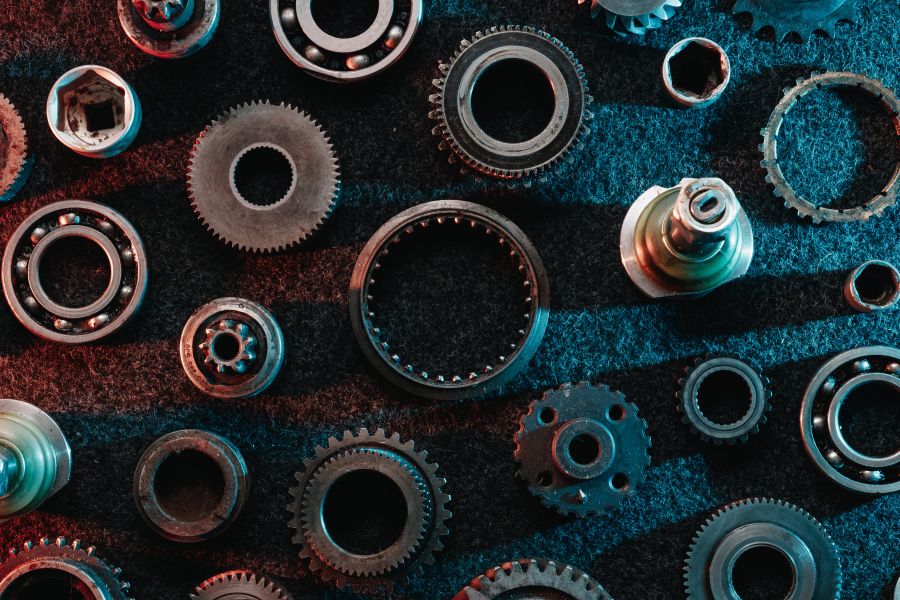
This detailed journey ensures that over 85% of a vehicle’s weight is recovered.
Draining Fluids: Technicians remove fuel, motor oil, brake fluid, and coolants. These are either refined for reuse or disposed of through specialized hazardous waste channels.
Dismantling: High-value components like engines and alternators are pulled. In BC, specialized recyclers also focus on recovering the kilometers of copper wiring found in modern vehicles. Rare metals from catalytic converters and lead from batteries are also carefully extracted.
Shredding: The leftover shell is fed into a massive shredder. Powerful magnets and air separators then sort the resulting bits into ferrous metals (iron and steel) and non-ferrous metals (aluminum and copper).
This precision allows materials to return to the manufacturing loop, often ending up as part of a brand-new vehicle or construction project.
What happens to electronics during auto recycling?
The Answer: Electronics and wiring are among the most valuable materials in a modern vehicle. Recyclers harvest copper wiring, circuit boards, and electronic control units. These are either refurbished for the used parts market or processed to recover precious metals like gold and silver, ensuring high-tech waste stays out of BC landfills.
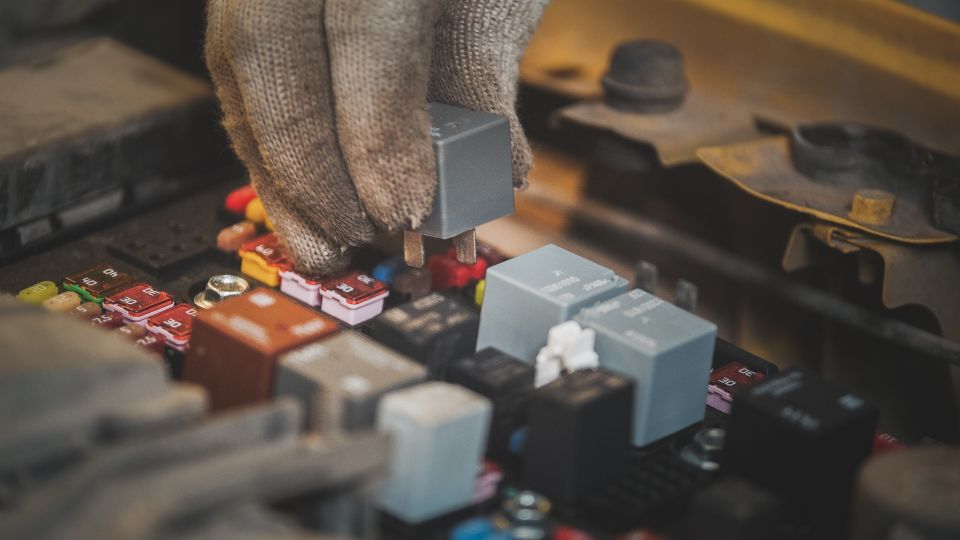
As cars become more advanced, the “e-waste” side of automotive recycling has grown. In places like Abbotsford and Richmond, facilities now use specialized processes to handle:
Wiring Harnesses: Copper is infinitely recyclable. Technicians strip these bundles to recover high-grade copper that can be used in new electronics or construction.
Onboard Computers: The “brains” of the car, such as infotainment systems and engine sensors, are tested. If they work, they help other drivers save money on expensive electronic repairs or replacements.
Precious Metals: Circuit boards contain trace amounts of palladium, gold, and silver. These are sent to specialized BC refineries to be melted down and reused in new technology.
How can you get paid to recycle your vehicle in BC?
The Answer: British Columbia leads Canada in vehicle retirement initiatives through programs like BC SCRAP-IT, which offers financial incentives for trading in older, high-output vehicles. These incentives can include cash rebates, transit passes, or discounts on electric bikes and newer, cleaner vehicles.
The SCRAP-IT program is designed specifically to improve air quality by removing older, more polluting cars from our roads. To qualify, the vehicle typically needs to be from the model year 2000 or older and have been continuously insured in BC for at least the past six months.
For a driver in Vancouver or Surrey, this could mean trading in a gas-guzzling sedan for 16 months of TransLink transit passes, directly supporting both personal savings and provincial climate goals. This proactive approach makes BC an outlier in North America for its high participation rates in organized vehicle retirement.
Can electric vehicles and hybrid vehicles be recycled?
The Answer: BC is leading the way with new rules that make vehicle manufacturers responsible for the entire life of an EV battery. Instead of ending up in a landfill, these high-tech batteries are either given a “second life” as power storage for homes and businesses or are broken down to recover valuable metals like lithium and cobalt for new batteries.
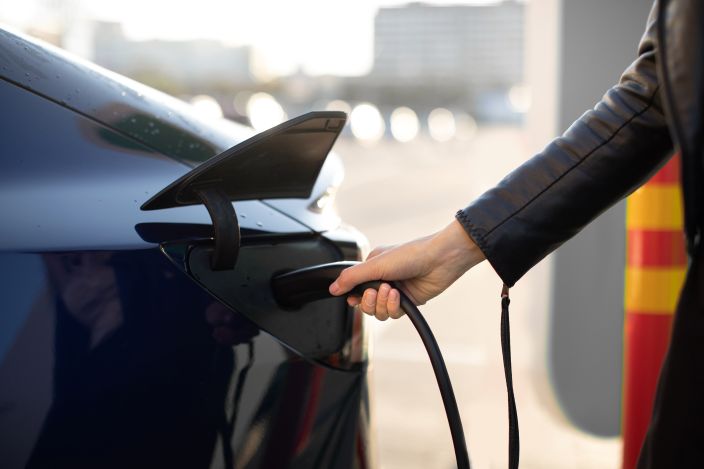
Because electric and hybrid vehicles use large, high-voltage battery packs, the recycling process in the Lower Mainland has become a specialized industry:
The “Second Life” Loop: Many batteries are retired from cars while they still have 70% to 80% of their original capacity. Local BC companies now repurpose these “used” batteries into stationary power banks that store solar energy or provide backup power for off-grid communities and hospitals.
Recovering “Raw Metal Powder”: If a battery is truly at the end of its life, it is safely shredded into a powder material often called “black mass”. This powder is then processed in specialized BC facilities to extract nearly 95% of the rare minerals inside, allowing them to be reused indefinitely in the manufacturing of brand-new EVs.
Manufacturer Responsibility: The companies that make and sell EVs are now legally required to fund and manage these recycling programs. This means drivers don’t have to worry about the cost or environmental impact of disposing of their battery – the “circular” system is built into the vehicle’s lifecycle from day one.
Can vehicles be fully recycled?
The Answer: While nearly every part of a car, from the glass windshields to the rubber tires, has a recycling path, some materials require more specialized handling than others. Hazardous components like mercury switches, airbags, and battery acids must be managed by certified professionals to avoid toxic leaks into the soil.
In the Lower Mainland, our unique geography plays a role in what can be salvaged. Vehicles frequently driven on salt-heavy roads in the winter or the humidity of the coast may have more frame corrosion, but their internal mechanical parts often remain in excellent condition for reuse.
BC is also a standout in tire recycling. Through Tire Stewardship BC, nearly all tires collected in the province are processed locally, turned into everything from playground surfaces to agricultural mats.
What are the environmental benefits of automotive recycling?
The Answer: Recycling a vehicle significantly lowers energy consumption, reducing the power needed for steel production by up to 75%. It also prevents approximately 1,133 kg of iron ore and 635 kg of coal from being mined for every ton of steel recovered.
The environmental impact is measured in more than just saved dirt and rocks:
Emission Reductions: Creating parts from recycled materials is far less carbon-intensive than primary manufacturing. A single recycled car can save an estimated 9,000 kg of greenhouse gas emissions.
Landfill Preservation: Automotive recycling facilities divert millions of tons of material from BC landfills every year.
Resource Conservation: Beyond steel, recycling aluminum and copper preserves limited natural resources and reduces the ecological destruction caused by new mining operations.
How can you donate your vehicle for a tax write-off?
The Answer: Drivers in BC can choose to donate their end-of-life vehicles to registered charities in exchange for a charitable tax receipt. Organizations like the Canadian Red Cross, The Kidney Foundation of Canada, and the BC SPCA, partner with recycling services to pick up vehicles for free, with the proceeds benefiting their community programs.
Donating is a popular choice for vehicles that may not qualify for a high trade-in value but are too much of a hassle to sell privately.
Free Towing: Most donation programs include free towing from anywhere in the Lower Mainland.
Valuation: The charity will typically issue a tax receipt based on the fair market value of the vehicle if it is sold at auction, or its scrap value if it is recycled.
Impact: Your old car can fund local animal shelters, medical research, or community support services.
–
Embracing automotive recycling is a practical way for every driver in British Columbia to contribute to a more sustainable future. By maintaining our vehicles longer, utilizing provincial incentive programs, or choosing to donate to local charities, we reduce the strain on our natural resources and keep our coastal environment clean. Your vehicle’s journey doesn’t have to end at the scrap yard – it can be the beginning of a whole new lifecycle!
Whether you are extending the life of your current vehicle or preparing a car for its next owner, check out our other guides on Cleaning Your Car the Right Way to protect your finish from coastal salt and Basic Vehicle Maintenance for more tips on keeping your ride efficient and eco-friendly.

Related Articles
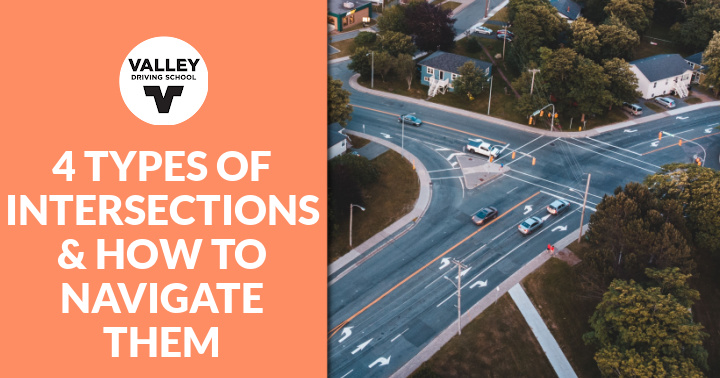
4 Types of Intersections & How to Navigate Them
Intersections are an important part of driving no matter where you are, but do you know all the different types and the rules for each?
How Car Driving Lessons Make Roads & Drivers Safer
Looking to build lasting confidence behind the wheel? Discover how car driving lessons sharpen observation skills and make BC roads safer for everyone.
Upcoming Changes to the Graduated Licensing Process
ICBC’s Graduated Licensing Program is being updated for 2026: skip the Class 5 road test and complete a 12-month safety period. Learn more about the timelines and next steps.
