
How to Manage Driver Fatigue
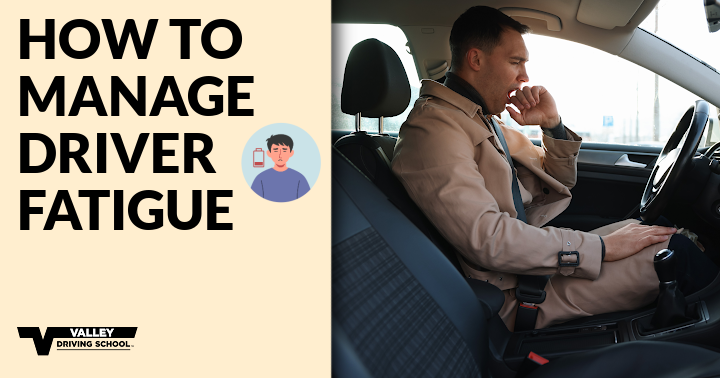
You may have had a moment when you were driving and you felt your eyes close for just a second too long. Jolting back awake behind the wheel can be an unsettling experience and it’s a signal from your body that it is time to adjust your plan. Understanding how to manage drowsiness is not about fear; it is about equipping yourself with the right tools to stay sharp, whether you are commuting through Abbotsford or navigating the busy routes of Langley.
Managing fatigue is a fundamental skill for anyone behind the wheel, from new drivers to seasoned professionals. By learning to spot the earliest physical signs of tiredness and making proactive trip planning a habit, you can stay in control of your journey. This is especially true for the commercial driving industry, where long shifts require a dedicated focus on health and rest. Ultimately, making the choice to drive only when you are fully alert is about more than just your own comfort; it is about making the roads safer for everyone sharing the roads, from Burnaby to Chilliwack.
HOW DO YOU KNOW IF YOU ARE TOO TIRED TO DRIVE?

The best time to check your energy levels is before you get behind the wheel. You might notice your eyes feel dry or heavy, or perhaps you are finding it hard to suppress a yawn while getting ready. If you feel a general sense of irritability or find it difficult to focus on a conversation, these are clear indicators that your brain is already craving rest.
Being proactive means listening to those early physical cues. If you are struggling to keep your eyes open while putting on your shoes, or if you feel a “foggy” sensation in your head, it is a sign that your reaction times will not be at their best. For new drivers, it can be tempting to push through a short trip, but starting a drive when you are already fatigued significantly increases the effort required to stay alert.
While some people wait for physical warnings like hitting a rumble strip or drifting between lanes, those are actually signs that a dangerous situation is already occurring. It is far safer to assess your state of mind in your driveway or a parking lot before you start your trip. If you are questioning whether you are too tired to drive, the answer is usually yes.
What should you do if you feel sleepy while driving?

The most important thing to do if you feel sleepy while driving is to stop driving as soon as it is safe to do so. If you notice yourself blinking frequently, missing an exit, or having trouble remembering the last few kilometers you just drove, your body is telling you that it needs a break. These moments, along with hitting a rumble strip on the side of the road, are clear signals to pull over immediately.
The most effective solution is to pull over in a safe, well-lit area and take a 15 to 20 minute nap. Transitioning the driving duties to a passenger is also an excellent way to maintain safety. If you are alone, a short power nap can refresh your cognitive function enough to reach your destination safely. When you are navigating the stretch of Highway 1 between Langley and Hope, there are several rest areas and service centers where you can safely stop.
While caffeine can provide a temporary boost in alertness, it is not a long-term substitute for rest. If you are noticing persistent drowsiness, it is better to find a safe spot to pull over, stretch your legs, and get some fresh air. Drinking plenty of water and eating a light snack can also help stabilize your energy levels.
How can drivers plan long trips while avoiding exhaustion?

Successful trip planning involves scheduling regular breaks (every two hours) and ensuring you have seven to eight hours of quality rest before you even start the engine. If you know you have a long journey ahead, check your schedule to see if you can depart in the early morning when you are naturally most alert.
Whenever possible, driving late at night should be avoided. Your body has a natural internal clock that expects sleep when it is dark, and fighting that biological urge can lead to significant fatigue. Instead of trying to push through the night to reach your destination, plan to stop and sleep at a hotel or with a friend or family member.
For new drivers or those who do not often drive long distances, these breaks are especially important for maintaining focus. Being proactive means acknowledging that rest is a required part of the trip, not an optional delay. By building sleep into your itinerary, you ensure you have the energy needed to navigate traffic safely from the start of your trip to the end.
It is common in North America to view stopping during long drives as a weakness, but you should not try to be a hero! Use these stops to experience new things and enjoy the journey, and you’ll arrive at your destination more relaxed.
Do professional drivers face a higher risk for fatigue?

Professional drivers often face a higher risk of fatigue because of long hours, irregular shift patterns, and the sedentary nature of the job. Unlike a standard commute, commercial driving involves extended periods of high mental demand which can lead to cognitive exhaustion. When these long shifts coincide with the body’s natural low-energy periods, such as late at night or the mid-afternoon dip, the risk of drowsiness increases significantly.
In British Columbia and across Canada, there are strict hours-of-service regulations designed to mitigate these risks. While MELT (Mandatory Entry-Level Training) is a specific requirement for those obtaining Class 1 licenses, drivers holding Class 2 (bus), Class 3 (truck), or Class 4 (restricted and unrestricted) licences may also need to adhere to provincial or federal rules regarding time behind the wheel. These laws mandate specific rest periods to ensure that drivers do not accumulate a “sleep debt” that could compromise their reaction times. To maintain safety, most professional drivers are mandated to use daily logs that track their hours. This is an essential part of worker safety, and in BC, all workers have the right to refuse unsafe work if they feel their fatigue levels are too high.
Beyond tracking hours, long-term alertness depends on consistent healthy habits. This includes maintaining a disciplined sleep schedule of 7-8 hours, staying hydrated, and making healthy food choices that prevent energy crashes. Regular exercise and focusing on mental health also play a significant role in managing the stress of the road. For anyone in the industry, taking care of your physical and mental well-being is just as vital as the pre-trip inspection.
–
Prioritizing rest is a practical part of being a safe and responsible road user. By recognizing the signs of tiredness early and having a plan to stop, you ensure that every trip is a predictable and safe one. Whether you are a veteran of the road or a new driver, arriving a little later is a small price to pay for arriving safely. When we all commit to driving only when we are fully alert, we contribute to a safer environment for every person sharing the road.
If you found these strategies for managing fatigue helpful, you may want to explore our more detailed guides on driver wellness and long-distance safety 10 Tips to Avoid Drowsy Driving and Trucker Health Guide: Staying Fit on Long Hauls.

Related Articles

How to Safely Handle Sun Glare While Driving
Is harsh sun glare ruining your drive? Discover the proactive vehicle adjustments and defensive driving techniques that keep BC drivers safe when the horizon vanishes.

Safe Driving Tips for Seniors
Ready to keep your independence on the road? Discover the defensive driving habits that keep BC seniors safe behind the wheel. Read on to stay informed!

Interchange Design in the Fraser Valley
We explore the various interchange design types that define our landscape like the traditional Cloverleaf, modern Diverging Diamond, and how they impact road safety across BC.
