
BC Rest Stop Etiquette and Safety Guide
British Columbia is a vast province with over 700,000 kilometers of road, and traveling between regions often requires hours of focused driving. For instance, the drive from Burnaby to Kelowna can take upwards of five hours under ideal conditions. Drivers of commercial trucks hauling freight and motorcycle riders on weekend tours alike find that regular breaks are a natural, necessary part of the journey. These stops provide a necessary moment to stretch, grab a coffee, and appreciate the dramatic scenery that makes our province world-famous.
Safety is the primary reason these facilities exist, though they also serve as a shared space for thousands of travelers daily. With more than 200 rest areas across the province, being mindful of other road users and the environment ensures these stops remain accessible for everyone.
Join us as we look at how every road user can practice good etiquette and stay safe while using BC’s rest stop areas.
What is the difference between rest areas, pullouts, and brake checks?
Distinguishing between these roadside stops is vital for highway safety. Rest areas offer amenities like washrooms and picnic tables for passenger and commercial trucks, while pullouts provide space for oversized loads to adjust equipment and not much else. Brake check areas are strictly for safety inspections on steep grades and must not be used as casual rest stops.
British Columbia maintains over 200 rest areas, ranging from rustic pit toilets to full-service centers with Wi-Fi and electric vehicle charging. For new drivers navigating the Fraser Valley, knowing where to stop is key. For example, the Cole Road rest area in Abbotsford offers flush toilets and a sani-dump for those heading eastbound, while westbound travelers can find similar services closer to Langley.
Further into the BC Interior, larger service centers like Britton Creek on the Coquihalla Highway offer a food truck and essential facilities between Hope and Merritt. Unlike these amenity-rich spots, pullouts are simply wide sections of road meant for long haul trucks to secure loads or wait for pilot vehicles. Using the correct area ensures that high-traffic zones like the Hunter Creek rest area near Hope remain efficient for everyone.
How long can you stay at a BC rest area?
Drivers are encouraged to use rest areas to combat fatigue, with a general guideline of staying no longer than eight hours. While you may sleep inside your vehicle during the day, to ensure you are fit to drive, overnight camping is strictly prohibited at all BC rest areas due to safety and seclusion risks.
New drivers and motorcycle enthusiasts exploring the Fraser Valley might be tempted to treat a scenic spot like Bridal Veil Falls near Chilliwack as a campsite. However, these are day-use areas only. For those traveling deeper into the Interior toward Fort Fraser or the Mt. Terry Fox viewpoint, the same eight-hour rule applies. If you require more time, it is best to plan ahead and locate a designated provincial park or private campground.
Where should commercial trucks and passenger vehicles park at rest stops?
Proper parking etiquette prevents congestion and ensures that long haul trucks have the necessary space to maneuver safely. Most provincial rest areas have designated zones for large vehicles; passenger cars and motorcycles should always use the standard parking stalls to keep commercial lanes clear.
At busy locations like the Hunter Creek rest area, congestion occurs when passenger vehicles occupy lanes designed for commercial trucks. For senior drivers or those towing trailers, finding a spot that allows for easy entry and exit is important, but it should never come at the expense of a semi-truck’s ability to park. Even if a lot appears empty when you pull off the highway these spots can fill up quickly over the course of just a few minutes, and following the posted signs is a mark of a responsible driver.
How do you report maintenance issues at a rest stop?
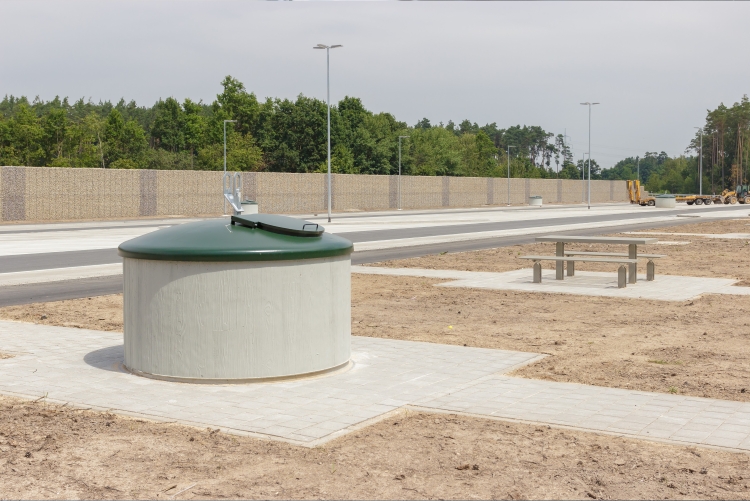
BC rest areas are maintained by Ministry staff and private contractors, with many receiving daily attention during peak travel times, such as during summer months. If you encounter overflowing garbage cans or damaged facilities, you can report a problem through DriveBC or by contacting the Ministry of Transportation directly. High maintenance standards are supported by regular inspections, yet the sheer volume of travelers in the Fraser Valley can occasionally overwhelm facilities. Reporting an issue at any location, such as Cole Road or a smaller pullout, helps keep the area safe for the next traveler.
While all BC rest areas provide garbage cans, there are times when “pack it in, pack it out” principles are necessary. If you find that bins are at capacity, please take your refuse with you to the next stop rather than leaving it behind. This collective effort ensures these spaces remain welcoming for everyone, and helps with wildlife management.
When food scraps or trash are left behind, they act as powerful attractants that draw animals toward the highway’s edge. This ‘food conditioning’ encourages bears, deer, and other wildlife to frequent high-traffic areas, but by keeping rest stops clean, we discourage animals from congregating near the pavement, making our roads safer for both drivers and local fauna.
What are the signs of driver fatigue?
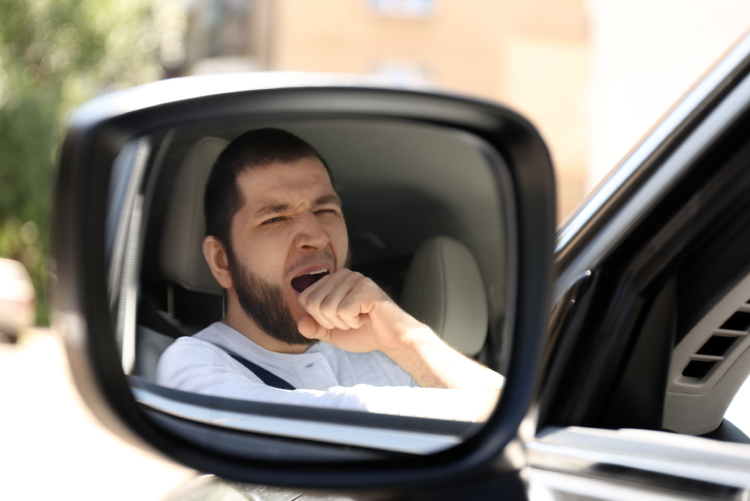
Recognizing the early signs of exhaustion can prevent accidents on challenging routes like the Coquihalla. If you experience yawning, wandering concentration, or slow reaction times, you should pull into the next available rest area immediately to recover.
Fatigue is a significant risk for both new drivers and experienced professionals in commercial trucks. Watch for physical cues such as:
Tired or heavy eyes
Constant yawning or drowsiness
Restlessness or over-steering the vehicle
Slower than normal reaction times
Stopping for a short nap at a well-lit area like Mt. Terry Fox, which offers Wi-Fi and flush facilities, can make the difference in reaching your destination safely.
–
Following these etiquette guidelines ensures that our provincial rest areas remain functional and safe for everyone, from long haul trucks to families on a weekend trip. By choosing the right spot to stop and respecting the time limits, you contribute to a safer driving environment for all British Columbians.
For more advice on preparing for your next journey, check out our guides on the Benefits of Trip Planning and Road Trip Essentials: What You Need to Bring to Have Fun.

Related Articles
Drivers Guide to Hand Signals
Want to stay safe when electronic indicator lights aren't an option? We've got the info for knowing and using hand signals so you're prepared!
How to Become A Driving Instructor In British Columbia
Ready to turn your driving expertise into a rewarding career? We've got the eligibility and steps outlined here to become a licensed BC Driving Instructor.
Drivers Guide to Safe Driving with Full Self-Driving in BC
Driving a modern vehicle equipped with automated driver support? Discover the smart driver habits that keep you effortlessly in control of your high-tech ride.
