
How to Get Licensed & Work as a School Bus Driver
If you have a real affinity for working with youth, a steady dose of patience, and a safety-first mindset behind the wheel, driving a school bus is one of the most fulfilling community roles you can take on. You get to be that reassuring, friendly face who sets a calm tone for local students every morning and gets them home safely every afternoon. Moving from your everyday passenger car to the driver seat of a yellow bus is a straightforward process, and enrolling in a Class 2 commercial driver’s course gives you the exact hands-on training and confidence you need to make the leap.
We’ve got your new career covered with the five steps to getting licensed and hired as a school bus driver in British Columbia.
What qualifications do you need to drive a school bus in BC?
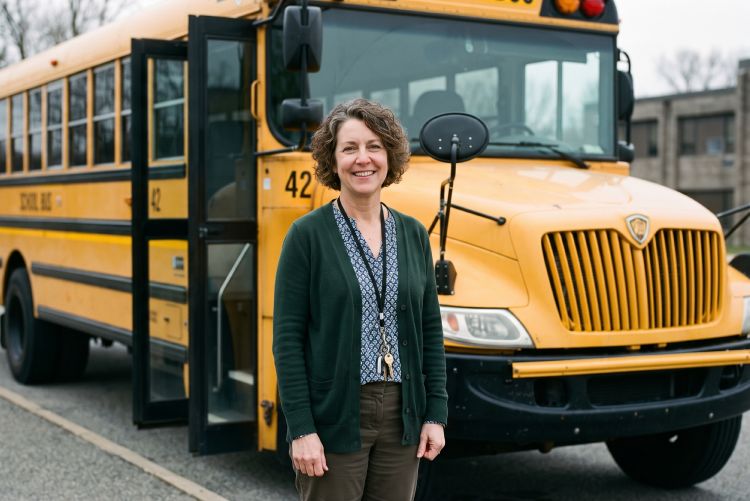
To drive a school bus in BC, you must hold a full class 2 licence. In order to upgrade to a class 2 licence from a class 5, drivers will need to complete a driver medical exam and pass the ICBC class 2 road test which also includes an air brake test. Employers also typically require a cleared vulnerable sector background check to ensure student safety on every route.
Before you sign up for driving lessons, you want to make sure you meet the baseline requirements set by ICBC and local school authorities. You must be at least 19 years old to hold a class 2 commercial licence in British Columbia. Having a clean driving record is a major factor for the hiring process, as school authorities look for a history of safe, responsible driving free of major infractions or excessive penalty points.
Working with children also means meeting specific character standards. Employers perform thorough vulnerable sector criminal record checks for every potential driver. You will also complete a standard medical exam with your doctor to confirm your vision, hearing, physical health, and cognitive fitness meet commercial driving standards. If you have years of clean driving behind a standard passenger car, you already have a solid foundation to build upon.
Step 1: Why should you complete your air brake course first?
Completing an approved air brake course first is a requirement in order to attempt the air brake knowledge test at ICBC. During the air brake course, you learn mechanical components, testing routines, and safety procedures in a classroom setting, which makes passing written knowledge exams and preparing for practical driving lessons much easier.
An approved air brake course includes classroom and hands-on instruction, and during this training, you learn how to perform daily air brake tests, check slack adjusters, measure pushrod travel, and listen for air leaks. Most modern school buses use air brakes rather than traditional hydraulic systems. Understanding how compressed air operates brake shoes, reservoirs, valves, and warning systems gives you clear context before you attempt a written test or step behind the wheel.
Step 2: How do you get your Class 2 commercial learner’s licence in BC?
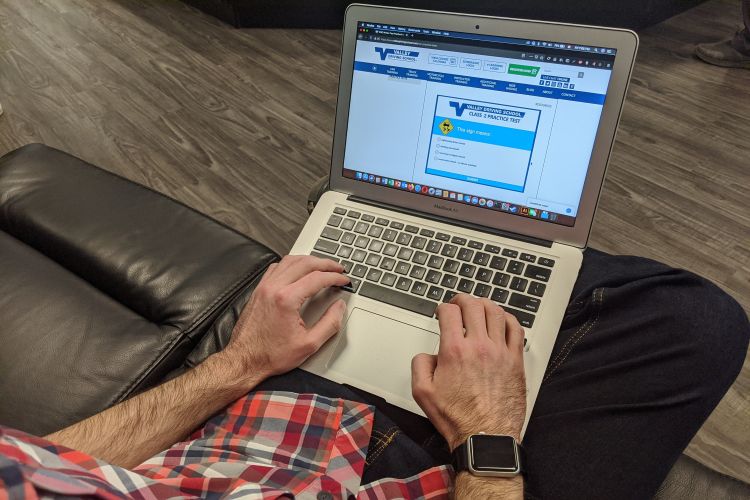
You get your class 2 commercial learner’s licence by passing written knowledge tests for class 2 rules and air brake systems at an ICBC driver licensing office. Using online practice tests is a great way to boost your confidence and pass both written exams on your first attempt. ICBC issues your licence on the spot so you can start driver training right away.
Once you finish your air brake course, your next stop is a local ICBC driver licensing office to attempt both the air brake knowledge test and the class 2 knowledge test. Taking online practice tests beforehand is one of the best ways to test your road knowledge, spot any weak areas, and build confidence before heading to ICBC.
When you pass your written exams, ICBC hands you your commercial learner’s licence so you can begin in-vehicle lessons. They will also provide a Driver Medical Examination Report form. You will need to submit this completed medical form within 45 days after passing your on-road test to receive your full class 2 licence. However, if you have any concerns about your medical fitness to drive commercially, it is wise to speak with your doctor before enrolling to ensure you meet the requirements.
Step 3: What happens behind the wheel during class 2 bus training?
Class 2 training provides hands-on experience in vehicle inspections, air brake systems, vehicle control, and observation skills. Under expert guidance, you will master complex maneuvers like wide turns and reversing while cementing the defensive driving habits and situational awareness required to keep every student safe.
Transitioning from a regular car to a 40-foot school bus feels like a big step, but practical training breaks the learning curve down into clear, manageable skills. Your Instructor should start every session with pre-trip inspection routines. You will learn how to inspect under the hood, examine tires and suspension components, check passenger emergency exits, and complete a full air brake leak test before moving the vehicle.
Once on the road around Langley and surrounding areas, you learn how to handle the size and weight of a commercial bus. Driving a bus requires wide turns at intersections to clear curbs, careful mirror scanning to watch for blind spots, and early braking to keep trips smooth for passengers. You will practice navigating residential neighborhoods, driving along rural backroads, and merging onto the freeway. Training also covers defensive driving techniques, helping you stay aware of cyclists, pedestrians, motorcycles and other surrounding traffic at all times.
Step 4: How do you prepare for and pass the ICBC class 2 road test?
Preparing for the ICBC class 2 road test involves mastering three main components: a thorough pre-trip vehicle inspection, a full air brake system check, and an on-road driving evaluation. You must demonstrate complete vehicle safety, active observation skills, frequent mirror checks, smooth braking, and defensive road habits to pass the test.
The process typically begins by you, or the school, booking your road test with ICBC, followed by scheduling your training to align with that date so your skills are sharp for the evaluation. The test takes place at a designated commercial testing location, such as the licensing hub in Port Coquitlam. The examiner evaluates your ability to manage the vehicle safely and methodically from start to finish. Staying calm, taking your time, and talking through your inspection steps helps keep nerves under control.
The road test begins with the practical pre-trip and air brake inspections. You must point out components, explain what you are checking for, and execute an air brake inspection without missing safety steps. Next, you take the examiner on an extended drive covering local streets, school zones, and highway driving. The examiner looks for active observation skills, proper communication, safe lane positioning, and gentle stops. Passing this test earns you a full class 2 commercial driver’s licence.
Step 5: How do you complete hiring and onboarding with school authorities?
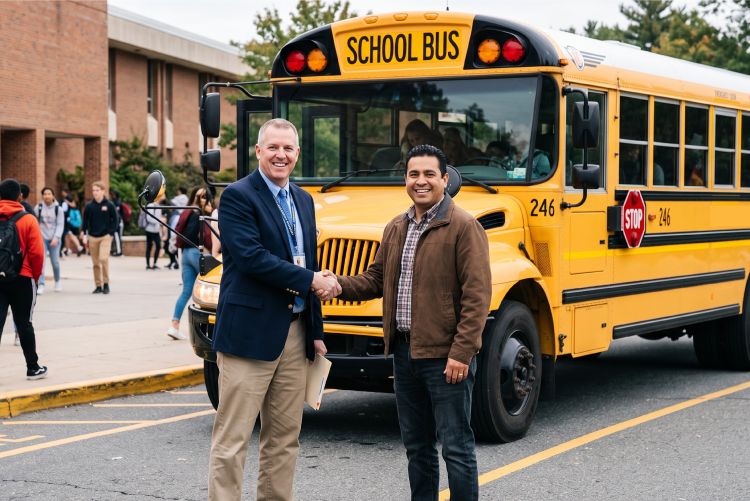
Completing school district onboarding involves submitting your class 2 licence, clean driver record, approved medical report, and cleared vulnerable sector check to school district transportation offices. Once hired, you complete route orientation, practice dry runs, and receive student management training before taking over regular routes.
Holding a class 2 licence opens doors directly with public school districts and private bus operators across British Columbia. To complete the hiring process in places like Chilliwack, you submit your completed application package to the local district transportation department. Once your paperwork and background checks clear, you enter district orientation.
Onboarding focuses on practical, route-specific training. You will practice driving specific bus routes without students, learning stop locations, turnaround points, and timing schedules. Employers also provide training on student management, bus safety rules, and emergency response procedures. Many new drivers start on casual or sub lists, covering morning and afternoon split shifts for absent drivers. This split schedule gives you free midday hours, allowing you to run errands, manage personal hobbies, or pick up additional school roles like noon-hour supervision or van driving. Before long, casual driving turns into a permanent route with steady hours, union pay, and holiday breaks.
–
Obtaining your class 2 licence is a straightforward process when you tackle it step by step. By starting with an air brake course, passing your written exams, building hands-on skills with an Instructor, and passing your ICBC test, you position yourself for a rewarding role in local student transportation. It is a practical career path that has the potential for regular hours, long weekends, and full summers off.
If you want to evaluate whether this career path matches your lifestyle and personal goals, read our detailed guide, Should You Become a School Bus Driver in BC? If you are curious about driving smaller vehicles like passenger shuttles or community transport, check out our guide, How to Become a Class 4 Shuttle Bus Driver in BC, to compare licensing paths across British Columbia.

Focused on supporting the people behind the wheel and sharing their knowledge. As Valley Driving School's Instructor Supervisor, I support scheduling and the day-to-day needs of our Car Instructors from Burnaby to Hope, and am proud to bring our collective road wisdom online.
Related Articles
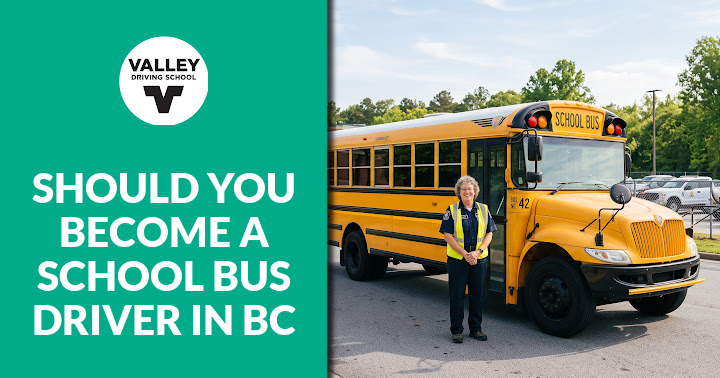
Should You Become a School Bus Driver in BC
Looking for a professional driving career with weekends and summers off? Discover how becoming a school bus driver in BC is a great choice!
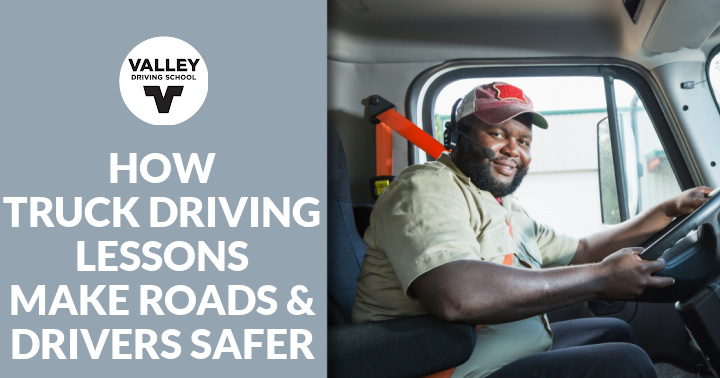
How Truck Driving Lessons Make Roads & Drivers Safer
Ready to master navigating heavy vehicles with confidence? Discover how professional truck driver training builds habits that protect you and every road user.
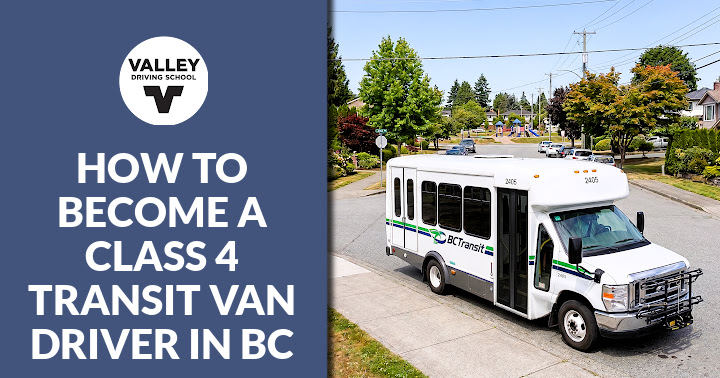
How to Become a Class 4 Transit Van Driver in BC
Interested in driving local community shuttles or HandyDart vehicles? Explore how to upgrade your driving skills for a Class 4 Unrestricted transit van career.
