
Driving in BC: Urban vs Rural Areas
Driving in urban and rural environments presents vastly different challenges and while both types of driving require skill and focus, the strategies and mindset needed for each are unique. Urban areas are characterized by dense traffic, multiple intersections, and a high volume of pedestrians, while rural landscapes often involve longer distances between destinations, fewer cars, and more unpredictable road conditions. For new drivers especially, understanding the distinctions between navigating a busy downtown core and an open highway is important.
In this post, we’ll compare and contrast driving strategies in urban versus rural settings, focusing on road use, traffic patterns, and emergency preparation.
How should you navigate driving in urban areas?
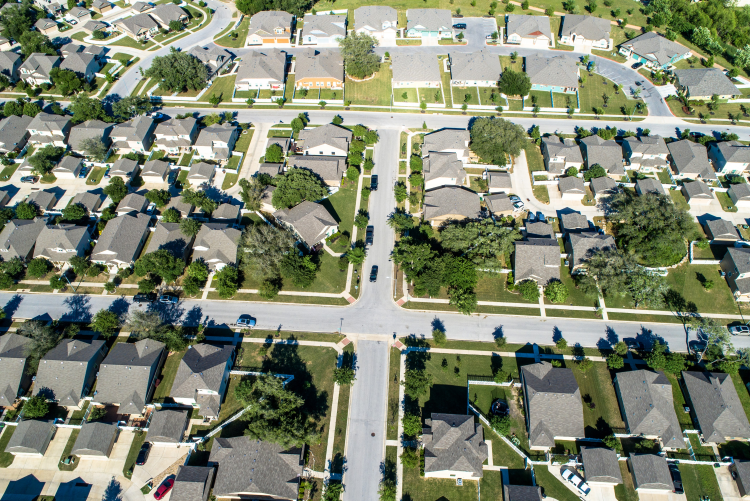
Urban driving, especially in large cities like Vancouver or Burnaby, often involves dealing with heavy traffic, complex intersections, and constant stop-and-go situations. Managing this environment efficiently requires anticipation and heightened awareness.
Anticipate Stops and Intersections
In cities, you’ll encounter frequent stop signs, traffic lights, and pedestrian crossings, so urban driving requires constant attention to traffic signals and the movement of other vehicles. Drivers can expect frequent stops and should anticipate potential lane changes or turns as you approach intersections. For instance, on a major route like Kingsway in Burnaby, you must be ready for quick braking so you should maintain a safe distance from the car in front of you to allow for sudden or unexpected braking.
Watch for Pedestrians and Cyclists
Urban roads are often filled with people walking and cycling, especially in downtown areas. While driving, stay vigilant for pedestrians at crosswalks, cyclists in dedicated bike lanes, or even people stepping off the curb unexpectedly- even when there is no designated pedestrian crossing. Yield to pedestrians when required, and check your mirrors and blind spots before turning or changing lanes to ensure there are no cyclists nearby. When driving a wide vehicle like a truck or bus, allowing extra clearance for cyclists is particularly necessary.
Parking and Maneuvering in Tight Spaces
Parking in an urban environment can be challenging whether you’re parallel parking on a busy street or navigating a multi-level parking structure in a commercial center, so maintaining a good sense of your surroundings is important. Take your time when parking to avoid minor contact or dents. Also, watch out for traffic coming from behind when exiting parking spots, as urban streets are often congested with vehicles. City parking can demand a higher skill level than when parking elsewhere, and you may be faced with parking maneuvers you’re not practiced in like parallel parking or reverse stall parking. If you know you’ll be driving in urban environments, consider brushing up on your parking skills!
How should you navigate driving in rural areas?
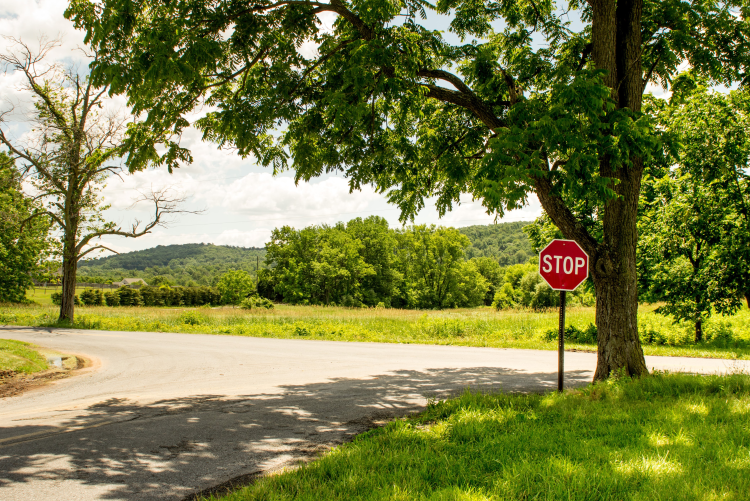
Rural driving, conversely, involves longer stretches of road, fewer vehicles, and a generally quieter atmosphere. Rural driving presents its own set of challenges that require different strategies and preparation, with the shift from city density to open space changing a driver’s focus from traffic anticipation to environmental awareness.
Increased Distance and Visibility
In rural areas, roads are often long and isolated. While there may be less traffic, drivers must be prepared for greater distances—sometimes 10 to 20 kilometers—between major turns, exits, or intersections. Be mindful of your speed, as rural roads tend to have fewer traffic controls and may tempt drivers to exceed safe limits. For example, the stretch of Fraser Highway from Surrey, through Langley and Aldergrove, often requires adjusting quickly from 80 kilometers per hour down to 50 kilometers per hour as you enter and exit small community zones. Due to the wide-open spaces, visibility is usually greater during the day, but keep an eye out for wildlife, livestock, or farm equipment that may suddenly appear on the road. The risk of striking a deer, especially at dawn or dusk, is significantly higher on rural roads than on city streets.
Watch for Road Conditions
In rural areas, roads are often long and isolated, and while the traffic volume may be low, the speeds are typically higher, and drivers must focus on maintaining awareness over extended distances. Be mindful of your surroundings, as rural roads may have variable surfaces, sharp, unexpected curves, or less forgiving shoulders than urban routes. Consider the Sea to Sky Highway (Highway 99), where there is a fairly high speed limit but there are many twists and turns, and possibility for rock slides and other unexpected and changing road conditions. Due to the wide-open spaces of rural areas, weather conditions can change abruptly, bringing sudden fog, heavy rain, or even snow that rapidly impacts visibility and traction.
Limited Amenities
Another factor to consider when driving in rural areas is the limited availability of services. Gas stations and repair shops may be sparse, and in remote areas, access to medical services or emergency help can take longer. Before embarking on long rural drives, especially in remote areas like beyond Chilliwack, it is advisable to fill up your tank, check your tires, and ensure your vehicle is in good working order. Planning your journey and knowing the locations of services is a key part of rural preparedness.
How do traffic patterns vary between rural and urban areas?
The flow of vehicles and pedestrians in urban and rural settings varies significantly.
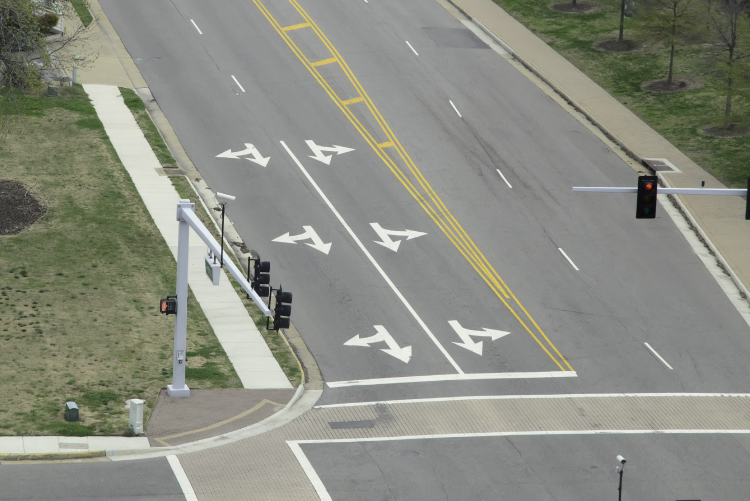
In urban areas, traffic tends to be more constant but slower, with more frequent interruptions from traffic lights, pedestrians, and cyclists. During typical commuting hours, urban streets can become heavily congested, requiring careful attention to lane changes, merging, and anticipating driver behaviors. This stop-and-go pattern is common on routes like Lougheed Highway during rush hour, demanding patience and proactive driving.
In contrast, rural areas often have less traffic, which can initially feel like a more relaxing driving experience. However, the lack of traffic does not always mean it is safer: rural roads may feature sharp curves, steep hills, or sudden, blind intersections that still require vigilance and moderated speeds. For instance, a vehicle traveling 100 kilometers per hour on a rural highway requires significantly more distance to stop than a car traveling 40 kilometers per hour in a city center.
How can you prepare for emergencies while driving along rural or urban roads?
Both environments present unique emergency preparedness challenges, but the strategy for response differs greatly.
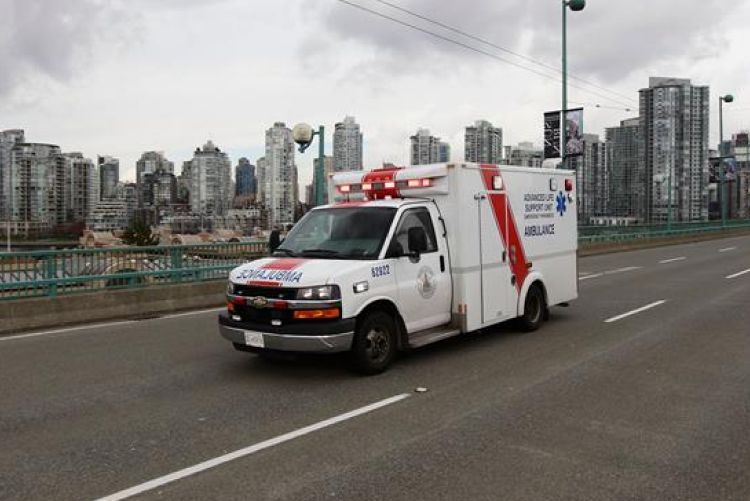
Urban Emergency Response
In an urban setting, minor accidents can occur frequently due to the high volume of vehicles and in these cases, emergency response teams can typically reach you quickly, especially if you are in a densely populated area. However, congestion can sometimes delay arrival so it is still helpful to keep a basic emergency kit with essentials like water, a flashlight, and basic first-aid supplies, as well as a charged phone to contact emergency services. The main challenge is often safely moving the vehicle out of the flow of traffic.
Rural Emergency Response
In rural areas, the time required for emergency services to arrive can be much longer due to the distance from stations and hospitals. In these situations, being well-prepared is necessary so ensure your vehicle is stocked with additional supplies, including extra food, water, blankets, disposable hand warmers, a comprehensive first-aid kit, and a tire repair kit. Additionally, always inform someone of your travel route and expected arrival time before heading out on isolated rural roads. The limited availability of services like tow trucks or mechanics, means that self-reliance is a more valuable asset in remote areas.
Driving in urban and rural environments requires different strategies to ensure safety and efficiency. By understanding the unique characteristics of both settings, from managing dense city traffic to navigating long, less-maintained rural roads, drivers can better prepare themselves for the specific demands of each environment. Whether you are a new driver preparing for a road test or an experienced senior driver operating a truck with air brakes, adjusting your focus and preparation based on the environment is key.
Always prioritize safety, stay alert, and be ready for any challenges the road might present, whether navigating crowded city streets or remote rural roads!
For more localized tips and in-depth advice on maneuvering specific Lower Mainland roads, be sure to check out our other guides What it’s Like Learning to Drive in Chilliwack Real Stories From Local Students and Burnaby Driving Tips: Best Roads to Practice for Your ICBC Road Test.

Related Articles
How to Understand ICBC Road Test Results
Wondering what all those marks on your ICBC feedback sheet mean? Decipher examiner scoring rules to turn test results into driving success!
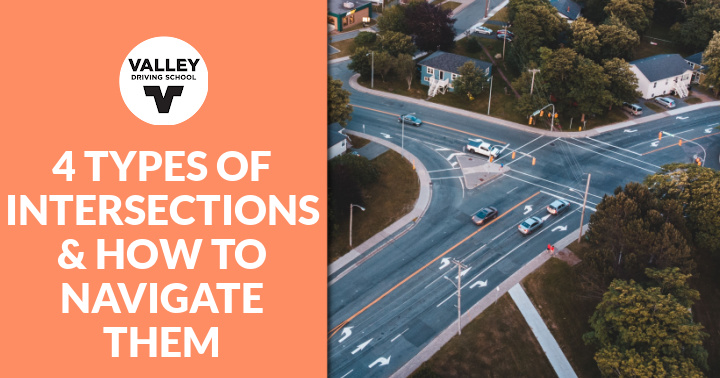
4 Types of Intersections & How to Navigate Them
Intersections are an important part of driving no matter where you are, but do you know all the different types and the rules for each?
How Car Driving Lessons Make Roads & Drivers Safer
Looking to build lasting confidence behind the wheel? Discover how car driving lessons sharpen observation skills and make BC roads safer for everyone.
