
Driver’s Guide To Windy Conditions
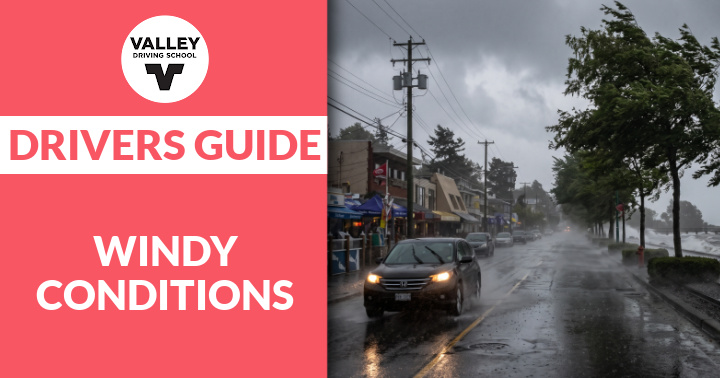
Wind affects every vehicle differently, and knowing how your specific vehicle reacts to heavy gusts helps you stay calm and keep control when a storm rolls in. For example, a passenger car will usually handle a sudden crosswind much better than a high-profile semi truck or a small motorcycle.
Strong winds can turn an ordinary commute or a relaxing weekend drive into a tense battle with the steering wheel. Picking up some pointers from a professional Driving Instructor—alongside practicing smart habits on your own—takes the guesswork out of blustery days. Read on for a breakdown of practical techniques tailored for passenger cars, semi-trucks, and motorcycles.
How do you drive safely in high winds?
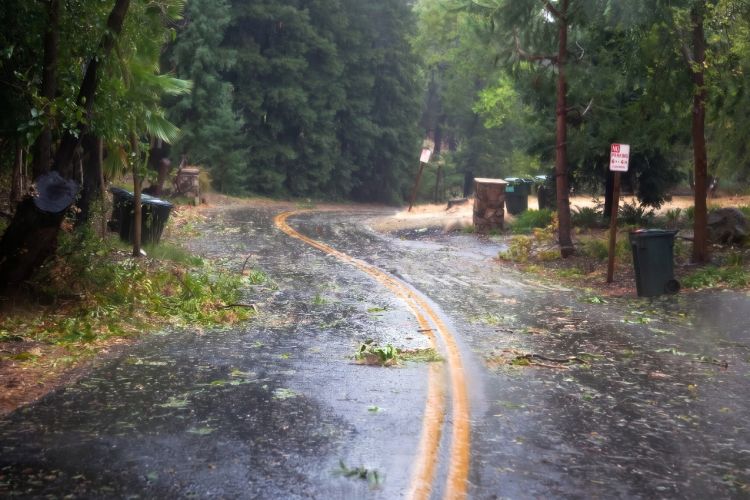
To drive safely in high winds, slow down and keep both hands on the steering wheel, increasing your following distance and stagger your position in traffic so you have room to react if a gust pushes another car sideways. Checking the weather forecast before you leave and scanning ahead for blown debris also helps you avoid sudden surprises.
If a wind warning is in effect, especially when paired with heavy coastal rain that calls for driving safely when roads are flooded, ask yourself if your trip can wait an hour or two until the worst gusts pass. When you do need to head out, plan an alternate route if your normal commute takes you along open corridors known for heavy crosswinds. Before you even start your engine, take two minutes to check DriveBC for current highway conditions and Environment Canada for local weather alerts. Drivers traveling on Highway 1 between Abbotsford and Chilliwack know how quickly funneling winds can sweep across open farmland and push a vehicle sideways. Taking sheltered backroads or waiting out the peak gusts often saves you time and stress.
Once you are on the road, lower your speed. Driving slower gives you more time to react when a sudden gust hits your vehicle or blows something into your lane. Leave extra following distance behind the vehicle ahead of you, and avoid driving directly beside cars in adjacent lanes. Staggering your position in traffic gives everyone a buffer zone if a strong crosswind pushes a vehicle toward the line. Keep both hands on the wheel at the 9 and 3 o’clock positions so you can make small, smooth steering corrections without jerking the tires. Watch the trees and power lines along the roadside, as swaying branches and snapping twigs warn you that a heavy gust is about to hit your vehicle. Keep your eyes further down the road than usual so you can spot downed branches or blown-over construction signs with plenty of room to steer around them.
How does wind affect passenger cars?
Wind pushes against the sides of a passenger car, which can nudge you out of your lane or lift the front end slightly at highway speeds. Strong gusts also blow dust and loose debris into your path, making steady steering and slower speeds the best ways to keep your tires planted on the pavement.
Even though passenger cars sit lower to the ground than trucks, heavy gusts still affect your handling on the freeway. One simple habit that helps immediately is turning off your cruise control. Cruise control is built to maintain a steady speed, which means it may accelerate right when a gust lifts your tires or pushes your car sideways. Driving manually keeps you in direct control of your throttle so you can ease off the gas pedal smoothly when the wind picks up. If you are a newer driver looking to build comfort in rough weather, booking professional Class 7 driving lessons can give you hands-on practice with highway speed management.
You also need to give large vehicles plenty of breathing room. High-profile vehicles like buses and semi trucks block the wind as you approach them, creating a calm pocket of air beside their trailers. The moment you pass the front of that truck, you hit the full force of the wind again, which can jolt your car toward the shoulder or the next lane. Leave extra space around commercial rigs and avoid lingering beside them in their blind spots during gusty weather.
How should commercial truck and bus drivers handle high winds?
Commercial truck and bus drivers should handle high winds by securing cargo and luggage bays during pre-trip inspections, slowing down, and pulling over if gusts become too strong to control. Because tall trailers and passenger buses have large flat sides, heavy crosswinds can trigger trailer sway or push high-profile vehicles across lane lines.
Managing a heavy rig in a storm starts before you leave the yard. During your pre-trip inspection, double-check that every strap and tarp is tight so loose gear cannot catch the wind. Make sure all trailer doors and cab windows latch securely, as a swinging door in high wind can damage hinges or strike nearby vehicles. Empty or lightly loaded trailers carry the highest risk in windy weather because they lack the weight needed to keep the tires pressed firmly onto the asphalt. Drivers hauling high-cube trailers through open Interior stretches near Kamloops often face sudden valley gusts, making smart preparation for navigating weather challenges in commercial driving essential even for seasoned Class 1 drivers.
If you feel your trailer starting to fishtail or sway in a crosswind, stay calm and avoid slamming on your brakes. Hard braking can cause the trailer to swing out even further or jackknife on slick pavement. Instead, ease off the accelerator, keep the steering wheel steady, and let the rig slow down gradually until the trailer straightens out behind you. Bus drivers face a different challenge since their vehicles do not articulate, meaning a strong gust pushes the entire coach sideways at once. Keep both hands firmly on the wheel and make smooth, gradual steering adjustments so standing or seated passengers are not tossed around the cabin.
Above all, know your personal limits and the limits of your load. If the wind feels unsafe or you are fighting the wheel constantly, signal early, pull off the highway into a safe rest area, and wait out the storm. Building strong hazard awareness through Class 1 commercial truck training helps drivers recognize these warning signs and stay in control.
What are the best ways to ride a motorcycle in the wind?

The best ways to ride a motorcycle in the wind include gripping the fuel tank with your knees, wearing full protective gear, and taking frequent breaks to prevent fatigue. Keeping your arms loose stops wind gusts from shaking the handlebars, while staying clear of large trucks protects you from sudden wind blasts.
Riding a motorcycle in strong wind demands far more physical effort than driving a car. Fighting gusts for an hour straight tightens your shoulders and forearms, which drains your energy faster than you might expect. Plan to stop more often than usual on windy days so you can stretch your muscles, drink some water, and reset your focus. Before heading out, tighten all saddlebags and bungee cords so loose straps cannot flap around or tangle near your rear wheel.
Your riding gear and bike setup also make a noticeable difference in how tiring the ride feels:
- Choose the right windscreen: A mid-sized windscreen deflects tiring wind pressure off your chest, though an oversized fork-mounted screen can catch crosswinds like a sail and pull on your steering, so stick to a compact or frame-mounted setup on gusty days.
- Wear a full-face helmet and proper eye protection: High winds kick up dust and small pebbles that can sting your face or blur your vision if you wear an open helmet.
- Dress in warm, windproof layers: Wind chill drops your body temperature quickly at highway speeds, and stiff, cold hands react slower on the clutch and brake levers.
- Anchor with your knees and keep your arms loose: Squeeze the fuel tank firmly with your thighs to hold yourself steady, which lets you bend your elbows and keep a light touch on the handlebars so wind hitting your jacket does not jerk the front wheel.
- Watch for wind displacement near big rigs: Passing a semi-truck or tour bus creates a sudden wall of turbulent air that can push your bike sideways, so adjust your lane positioning away from the truck before passing to give yourself a wider buffer while keeping a dominant, visible spot in your lane, and complete the pass briskly.
If you want to build stronger balance and low-speed control for tricky weather, taking professional motorcycle rider training gives you a safe environment to practice your technique.
How do crosswinds, headwinds, and tailwinds differ?
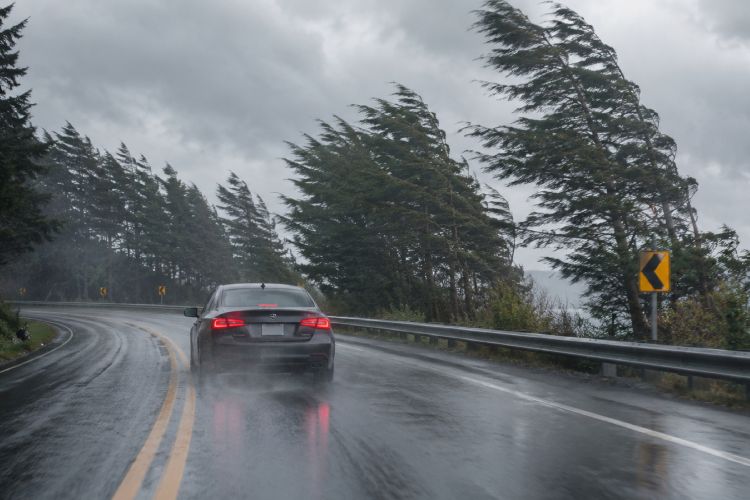
Crosswinds push against the side of your vehicle and try to nudge you off course, while headwinds blow straight at you and slow your momentum. Tailwinds push from behind, which reduces wind resistance and increases your stopping distance when you need to slow down for traffic.
Understanding which direction the wind is blowing helps you adjust your steering, lane position, and throttle control before a gust catches you off guard:
- Crosswinds: Side gusts push cars and trucks toward adjacent lanes and require steady, gentle steering corrections toward the wind. On a motorcycle, lean slightly into the wind and apply gentle forward pressure on the handlebar grip on the windward side to keep your bike tracking straight in your lane.
- Headwinds: A strong wind blowing straight against the front of your vehicle forces your engine to work harder and drains fuel faster. Give yourself extra room and smoother throttle input when merging onto highways—and if you are riding a motorcycle, tuck your body down slightly behind the front fairing to cut down on drag.
- Tailwinds: Driving or riding with the wind at your back feels quiet and effortless, which makes it easy to creep above the speed limit without noticing. Check your speedometer often and start braking earlier for intersections, especially in heavy commercial rigs or on motorcycles where that extra push from behind lengthens your stopping distance.
–
Windy weather is a regular part of driving in British Columbia, whether you are navigating valley gusts or open mountain highways. Slowing down and adjusting your habits to match your vehicle keeps every trip predictable and safe. If you want extra guidance for handling tough weather conditions, the instructors at Valley Driving School offer hands-on training at campus locations across the Lower Mainland.

Focused on supporting the people behind the wheel and sharing their knowledge. As Valley Driving School's Instructor Supervisor, I support scheduling and the day-to-day needs of our Car Instructors from Burnaby to Hope. I am proud to bring our collective road wisdom online, where every article I share is verified through my own expertise or reviewed by another subject matter expert.
Related Articles
Drivers Guide to Cruise Control
Heading out on a long highway drive? Master how cruise control works and when road conditions make it safe to use.
Drivers Guide to Pedestrian Crosswalks
Understand the essentials of crosswalks: Dive into our guide detailing various types of crosswalks, their markings, and the regulations designed to protect pedestrians and ensure driver compliance.

Car Safety Guide for New Parents: Child Safety Features
Take a look at the fundamental safety features of vehicles that keep your child safe and happy in this car safety guide for new parents.
