
The Diverse Future of BC Fuel
For many learning to drive in 2026, the vehicle they use for practice likely looks and sounds different than it did just a few years ago. The transition to alternative fuels for automobiles and commercial vehicles is no longer a distant concept but a daily reality on our local streets. From the quiet hum of electric cars in residential neighborhoods to the diverse fleet of public transit buses serving the Lower Mainland, the way we power our transportation is shifting rapidly.
Understanding these energy sources is vital and in places like Surrey, Delta, and Abbotsford, the industrial landscape is already dotted with electric delivery vans and heavy-duty vehicles that utilize a variety of low-carbon technologies. This shift is reflected in provincial mandates, such as the requirement for 26% of new light-duty vehicle sales in BC to be zero-emission by the 2026 model year.
The Present: A Balanced Mix of Electric and Hybrid Power
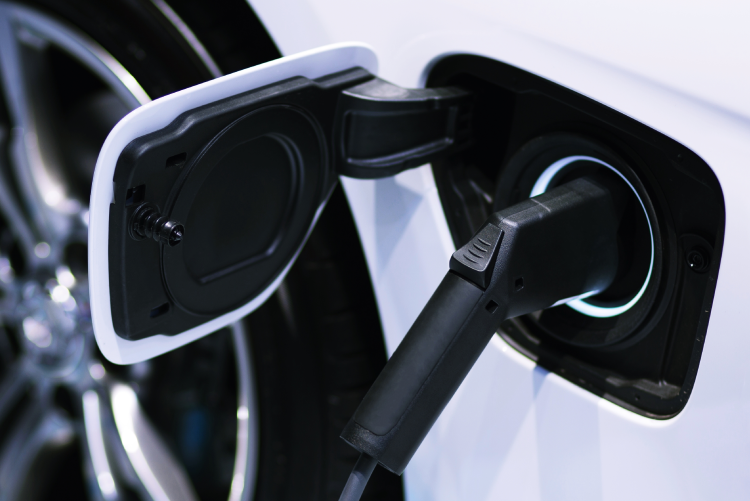
Battery-electric vehicles and high-efficiency hybrids have established themselves as the primary alternatives for passenger transportation and local delivery services in 2026. While fully electric models are popular for urban commuting, many drivers in the Fraser Valley still rely on hybrids to provide a practical bridge for longer trips where charging infrastructure is still expanding.
Public transit in Metro Vancouver also showcases this diversity. TransLink has retired older diesel models in favor of a fleet that includes 100% electric trolley buses, battery-electric buses, and vehicles powered by renewable natural gas. This variety ensures that Class 2 drivers must be familiar with multiple power systems to keep the region moving efficiently.
Operating these vehicles requires a mental shift in how we approach vehicle care. This transition offers a significant trade-off in maintenance habits. While a traditional internal combustion engine has over 2,000 moving parts, a typical electric motor has only about 20, offering a mechanically simplified vehicle option. This allows new drivers to move beyond routine oil changes, spark plug replacements, and fuel system servicing.
Regenerative braking systems use the motor to do much of the work to slow the vehicle, capturing energy and significantly reducing wear on traditional brake pads and rotors. These can result in an extended life for the braking system and components. However, because of battery weight and instant torque, electric vehicles can wear through tires 15% to 30% faster than gas-powered ones.
The Near Future: Biofuels and Renewable Natural Gas
Supporting BC’s transition into alternative fuel is the recently completed “Electric Highway.” As of early 2026, the public network includes over 770 charging ports at more than 170 sites, with a target to reach 800 ports by this spring. Drivers traveling major routes can now find fast chargers approximately every 150 kilometers, with high-power hubs located at key stops like Langley, Abbotsford, and Chilliwack. New 400-kilowatt chargers are also making their debut, capable of adding 100 kilometers of range in just three minutes, making long-distance travel through the Hope Slide or over the Coquihalla more viable than ever.
In the coming years, biofuels and renewable natural gas (RNG) will act as the “invisible” workhorses of the Canadian transportation sector, particularly for heavier vehicles. These fuels are crucial because they can often be used in existing engines with minimal modifications, allowing current fleets of trucks and buses to reduce their carbon footprint immediately while electrification technology for long-haul routes continues to mature.
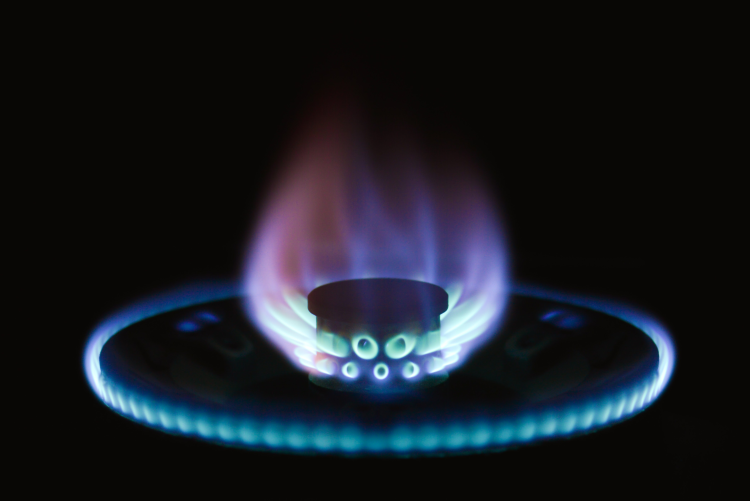
For professional drivers, the use of compressed natural gas (CNG) is already a practical reality at specialized fueling stations in industrial hubs like Annacis Island, Surrey, Abbotsford, and Chilliwack. While the fuel at the pump is often a blend, the RNG itself is produced locally from organic waste at sites like Fraser Valley Biogas in Abbotsford and the Surrey Biofuel Facility. By early 2026, the renewable content requirement for diesel in BC has increased, meaning almost every commercial driver is already playing a part in this transition during their standard duties. This shift allows the shipping and logistics industry to meet stricter emissions standards without requiring an immediate, total overhaul of every vehicle on the road.
The Long Horizon: Hydrogen and Global Logistics
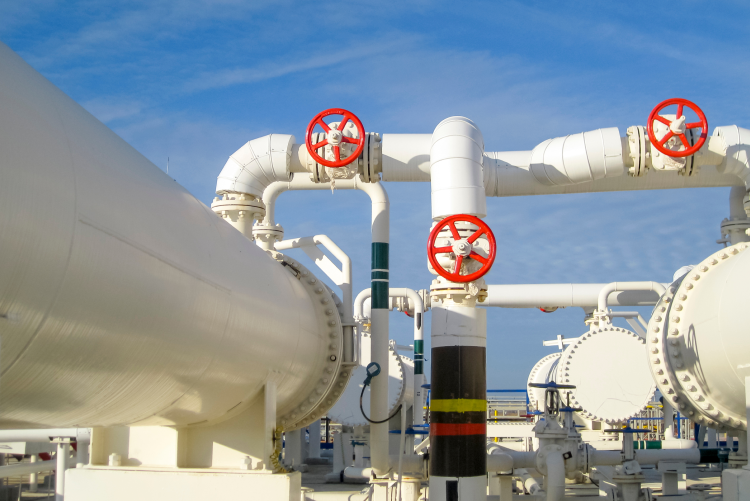
Looking further ahead, hydrogen fuel cells are emerging as a specialized solution for heavy-duty shipping and regional transit. Because hydrogen fuel tanks are significantly lighter than the massive battery arrays required for long-haul travel, they offer a distinct weight and range advantage for the largest commercial vehicles: the heavy tractor-trailers we often see on the Coquihalla. This technology is particularly relevant in BC, where our massive natural gas reserves provide the raw material needed to produce “blue” hydrogen at scale.
To encourage this transition, the province is increasingly focused on aligning its ambitious goals with practical infrastructure. While the average commuter will likely stick with battery-electric vehicles for the convenience of home charging, those entering the professional driving industry, whether pursuing a Class 1, Class 2, or Class 3 license, will enter a workforce where natural gas and hydrogen go hand-in-hand. Short-haul delivery will favor electric power, but hydrogen is being positioned for the most demanding, long-distance routes where weight limits and fast refueling are essential. This global shift is already being piloted locally, with companies in the Lower Mainland beginning to test hydrogen-powered units on routes between Vancouver and Squamish.
–
As we navigate through 2026, it is clear that the future of transportation in British Columbia is not defined by a single fuel, but by a strategic mix of technologies tailored to our unique geography. For the everyday commuter in the Lower Mainland, the transition is marked by the quiet efficiency of electric and hybrid vehicles, supported by a world-class “Electric Highway” that makes range anxiety a thing of the past. For the professional driver, the landscape is even more dynamic, requiring a sophisticated understanding of everything from renewable natural gas in local delivery fleets to the emerging power of hydrogen fuel cells on the Coquihalla.
The shift toward a zero-emission province is no longer just a legislative target; it is an operational reality. Whether it is a TransLink driver operating a battery-electric bus through Vancouver or a Class 1 operator testing a hydrogen-powered semi-truck between Surrey and Squamish, the skills required for the road are evolving. By embracing these diverse energy sources—from the immediate benefits of biofuels to the long-term potential of hydrogen—BC is building a more resilient, sustainable, and innovative transportation sector for generations to come.
For more insights on navigating BC’s changing roads, check out our Driver’s Guide to Electric Vehicle Charging and our feature on Electric Trucks: The Future of the Trucking Industry.

Related Articles
4 Types of Intersections & How to Navigate Them
Intersections are an important part of driving no matter where you are, but do you know all the different types and the rules for each?
How Car Driving Lessons Make Roads & Drivers Safer
Looking to build lasting confidence behind the wheel? Discover how car driving lessons sharpen observation skills and make BC roads safer for everyone.
Upcoming Changes to the Graduated Licensing Process
ICBC’s Graduated Licensing Program is being updated for 2026: skip the Class 5 road test and complete a 12-month safety period. Learn more about the timelines and next steps.
