
Sharing the Road with Farm Vehicles
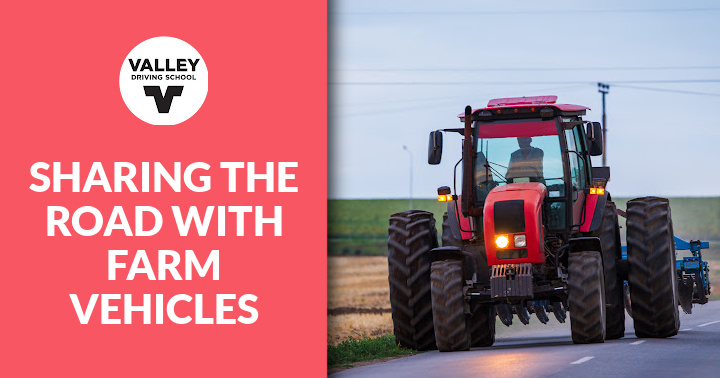
The morning sun clears the horizon, casting long shadows across the fields of Chilliwack. You are driving along a secondary route, enjoying a smooth trip, when you round a sharp bend and immediately need to apply your brakes. A large tractor pulling a wide seeding implement occupies the entire lane ahead, traveling at a fraction of the posted speed limit. This is a common experience for drivers across the farming areas of southwestern BC, where local food production meets growing traffic.
This guide answers common questions about sharing our local roads with farm equipment and we’ll look at BC traffic laws for tractors, point out where those massive blind spots are on combine harvesters, and go over how to pass them safely. We will also talk about how watching a farm vehicle’s movements can help you determine what the driver might be doing next, so everyone gets home safely.
What are the traffic laws for farm vehicles on BC roads?
Agricultural vehicles have every legal right to use public secondary roads and high-speed routes in British Columbia to move equipment between fields. By provincial law, any farm machine traveling under 40 kilometers per hour must display a bright orange slow-moving vehicle sign on the back as a warning to other motorists.
Farmers face a lot of unique challenges when moving their tools around rural areas. These massive machines usually cannot just pull over onto the shoulder because soft gravel, steep ditches, and hydro poles can cause a total rollover. Farm vehicles and their equipment are not legally required to pull over and allow you to pass, nor are they required to drive on the gravel shoulder to provide other drivers more space to pass them. Treat farm vehicle drivers with the same respect and patience you would any other driver on the road – tailgating or honking creates a stressful situation for you and them, and is unnecessary. Sharing routes with farm vehicle traffic simply takes a little community teamwork.
Where are the largest blind spots on farming equipment?
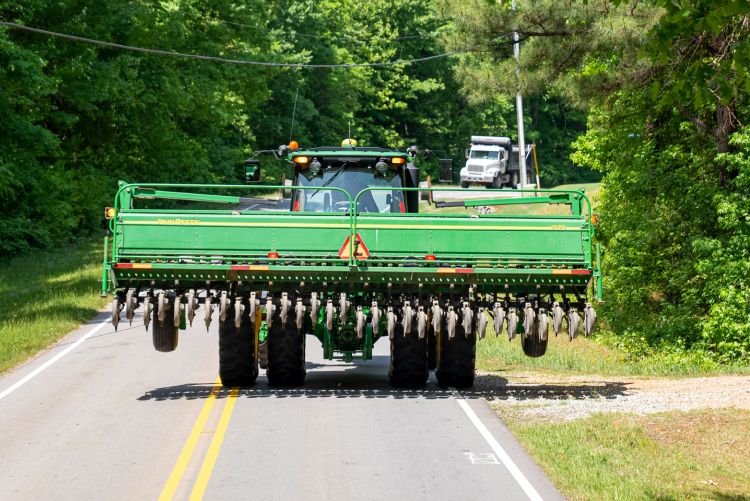
The largest blind spots on agricultural machinery are located directly behind the vehicle and right around the front quarters where wide implements block the driver’s view. Because these machines lack normal rearview mirrors, drivers following too closely are nearly – if not completely – invisible to the farmer and drivers should increase their following distance to at least three to four seconds.
Keeping a wide following distance is a huge deal for new drivers who are still getting used to judging space, as well as seniors who want a bit more time to react. When a tractor is pulling a wide trailer or a plow, the operator cannot see cars riding their bumper or hanging out right next to the giant rear tires. This is exactly like driving around large commercial trucks or city buses: if you cannot see the tractor’s side mirrors, the driver cannot see you either. Increasing your following distance provides a better view of the road ahead and allows the farmer to spot you before making a move.
How can you safely pass farm vehicles?
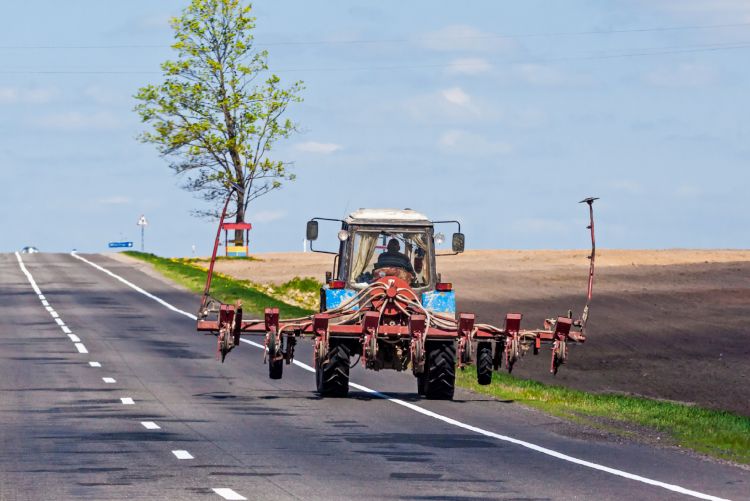
To pass a tractor safely, you must ensure you are in a legal passing zone with a clear view ahead and that you give the other vehicle a wide berth while passing. In addition to making sure the road ahead is clear, use standard lane-changing procedures: mirror check, signal, shoulder check, and move promptly back into your own lane after safely passing. Before passing, you should also verify that the farm operator is not preparing to turn and, if they are, ensure the driver has completely finished the maneuver before you pull around – they may need to suddenly stop or change direction.
Because these machines are so long, farmers often have to swing way out to the right side first just to make a sharp left turn. If you are not expecting it, it can look like the tractor is pulling over to let you pass but this can result in an accident. Whether you are driving through the countryside in Abbotsford or heading down a different local backroad, wait until the operator completely finishes their turn before you make your move.
What should you do when a farm vehicle is oncoming or behind you?
When meeting oncoming farm machinery on a narrow road, you should slow down, pull over as far to the right as safely possible, and be prepared to make a complete stop. If a large tractor or combine harvester is behind you, maintain a steady, predictable speed and make sure to engage your turn signals in a timely fashion so the operator has time to respond to your maneuvers. Avoid slamming on your brakes out of nowhere to make a sudden turn. Heavy agricultural machines carry immense weight and need extra stopping distance, so giving the farmer early warning of your next move keeps everyone safe.
Rounding a curve to find a massive piece of equipment heading straight toward you can be a bit startling, especially on our tighter backroads. Some farm attachments are wider than a standard driving lane, so the driver may need to occupy a portion of your lane to clear utility poles or mailboxes. If you see wide equipment approaching, simply ease off the gas, find a safe spot to lean toward the shoulder, and let them crawl past.
Why does extra awareness help you predict farm vehicle movements?
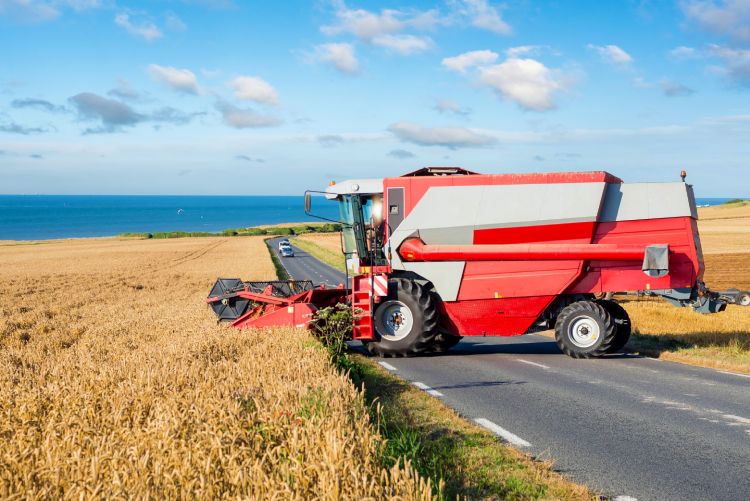
Building better defensive driving habits helps you spot the early clues that a farm vehicle is about to slow down, speed up, or turn. Paying close attention to the road environment means you can anticipate what a farmer has to do long before you get stuck right behind them. This keeps you from having to slam on your brakes when a tractor suddenly slows down.
When you train yourself to scan far ahead on rural routes, you start to see the road from the farmer’s perspective. You will notice upcoming field gates, low branches, or narrow bridges in communities like Langley that might force the tractor to hug the center line. Understanding these local road features helps you react calmly and gives the equipment the room it needs to operate.
–
Getting around our rural roads safely takes a mix of patience, a little extra space, and knowing what to expect from large equipment. By watching out for slow-moving vehicle signs, avoiding blind spots, and passing with care, you help keep our local driving community safe.
To continue building your regional safety awareness and exploring the differences between various driving environments, read our detailed breakdown in Driving in BC: Urban vs. Rural Areas. If you regularly travel through changing communities, you will also find practical tips in our guide on From Highway to Backroad: Mastering Aldergrove’s Driving Environment.

Related Articles
Sharing the Road with New Drivers
Learn how to safely share the road with new drivers. Our guide offers practical tips to help experienced drivers foster a supportive environment for those just starting out
Sharing the Road with Public Transit
Learn how to safely share the road with public transit. Our guide offers practical tips for drivers on navigating interactions with buses and other transit vehicles effectively.
Sharing the Road: Snow Plows
Winter driving comes with unique challenges, learn from the Valley's leading experts, in safe driving how you can share the road with snow plows. Register now for our complete driver training programs.
