
Is Motorcycle Insurance Cheaper Than Car Insurance for New Riders in BC?
New drivers in the Lower Mainland often face high premiums when they first get on the road. For many, car insurance can represent a significant portion of an annual budget, making it difficult to balance the cost of living with the need for reliable transport. Many drivers will consider trading in their four-door for a motorcycle, intrigued by a sense of freedom that is hard to match.
In this post, we will explore how you can leverage two-wheeled transport as a “financial hack” to save some money. We’ll break down the specifics of the ICBC rate brackets, explain how starting with a car may actually lower future bike premiums, and share the best ways to keep your motorcycle insurance in BC as affordable as possible.
What factors determine motorcycle insurance premiums in BC?
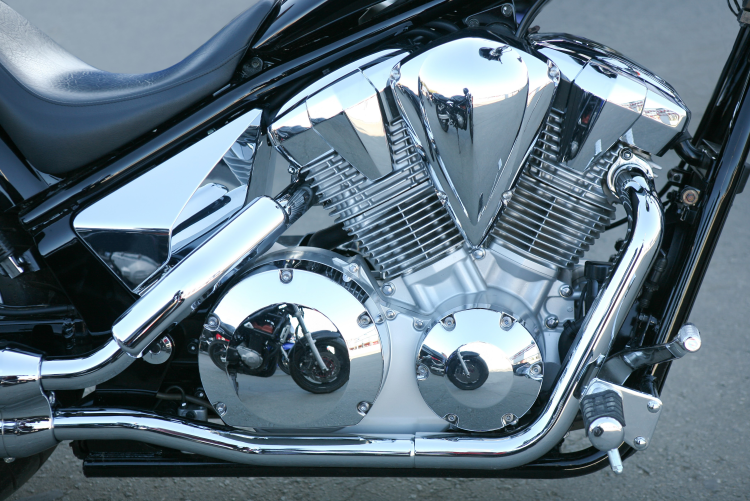
The cost of motorcycle insurance in BC is primarily based on the engine’s displacement and the rider’s personal Driver Factor. ICBC categorizes motorcycles into five distinct brackets, where smaller engines (under 400cc) enjoy the lowest rates, while bikes over 1150cc are placed in the most expensive premium category.
Understanding these brackets is the most effective way to control your monthly expenses. While a car’s insurance cost is influenced heavily by its safety tech and repair value, a motorcycle’s basic premium is tied directly to its power. Staying within the lower brackets is a reliable way to keep your motorcycle insurance cost manageable.
ICBC groups motorcycles into the following five displacement categories:
Up to 110cc: Includes most mopeds and small city scooters.
111cc to 400cc: The most economical bracket for full-sized motorcycles and the “sweet spot” for new riders.
401cc to 750cc: Includes many standard mid-range bikes.
751cc to 1150cc: Typically reserved for larger cruisers, mid-range supersport bikes, and sport-tourers.
Over 1150cc: The heavyweight category for large touring bikes and high-performance superbikes with large-capacity engines.
For those commuting from Langley to Coquitlam, a bike in the 401cc to 750cc range offers enough power for the highway and freeway while remaining affordable to insure.
Valley Tip: If you plan to take your road test on your own bike, ensure it is over 200cc. Using a smaller machine will result in a “Restriction 13” on your licence, which usually means no passengers, limited speed, and supervision required.
Is motorcycle insurance cheaper than car insurance for new riders in BC?
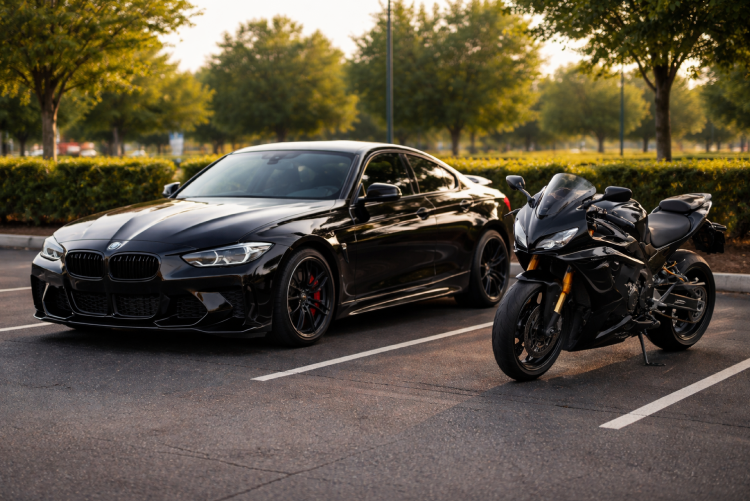
For many new riders, a motorcycle can be a more affordable entry point to the road than a car. While a passenger vehicle policy for a new driver can reach $4000, a small-displacement motorcycle can often be insured for basic liability for under $1100, saving riders thousands in annual premiums.
Comparing the two reveals a dramatic gap in basic costs. Car insurance premiums in the Lower Mainland are influenced by high repair costs and the liability risks of carrying multiple passengers. In contrast, the basic ICBC premium for a lightweight motorcycle is tied primarily to its engine size and your personal Driver Factor.
The savings are most evident when you choose a bike in the 111cc to 400cc bracket. While a new driver might pay $300 per month for a car, a 300cc motorcycle can often be insured for less than $100 per month. While the insurance cost may be lower, riders should make sure to consider all factors – additional costs like the motorcycle itself, the gear you’ll need, and potential repair or upgrade costs.
What are the best ways to save on motorcycle insurance in BC?
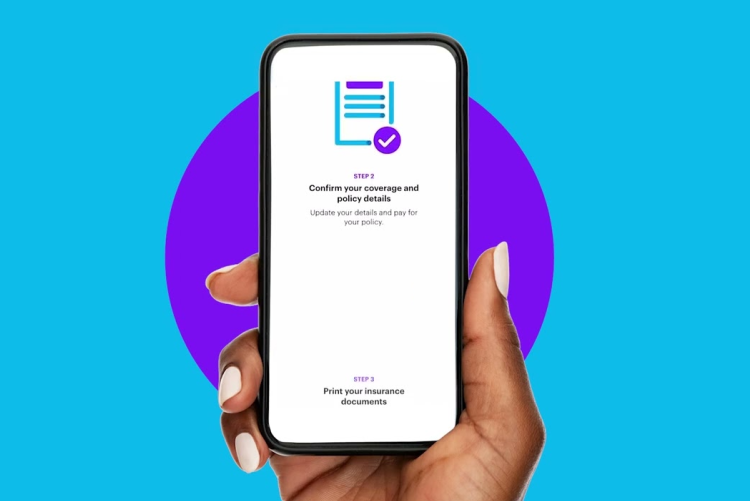
Beyond selecting a smaller engine, you can reduce your motorcycle insurance costs by choosing private optional coverage, bundling your policies, and accurately declaring your vehicle’s use. While ICBC provides the mandatory basic insurance, shifting your collision and comprehensive coverage to a private provider is often the most effective way to lower your total bill.
To maximize your savings, consider the following strategies:
Choose Private Optional Insurance: Companies like BCAA, Beacon, or Intact often offer much lower premiums for collision and comprehensive coverage than ICBC. These private policies frequently include “perks” for riders, such as coverage for expensive riding gear and roadside assistance.
Declare Your Use Accurately: If you are only using your bike for weekend trips and errands, ensure it is insured for “Pleasure Use.” Commuting to school or work more than six days a month requires a different rate class, but pleasure-only policies are notably cheaper.
Pay Your Premium Annually: While many people choose to pay monthly for convenience, this option is actually more expensive. ICBC charges a one-time enrollment fee (typically $15) and a fixed finance rate on monthly plans. By paying for the entire year upfront, you avoid these interest charges and administrative fees entirely. If you can save for the annual premium in advance, you keep that extra money in your pocket instead of paying for the privilege of spreading out your payments.
Inquire About Bundling: Some private insurers offer a “Multi-Vehicle Discount” if you insure both your car and your motorcycle with them. You may even be able to bundle your optional coverage with other policies, like home or RV, for additional savings.
Use Seasonal Storage Strategies: In the Lower Mainland, many riders put their bikes away from November to March. By switching to a “Storage Policy” during the winter months, you maintain protection against theft and fire at a fraction of the cost of road insurance.
Does a motorcycle safety course reduce your insurance costs?
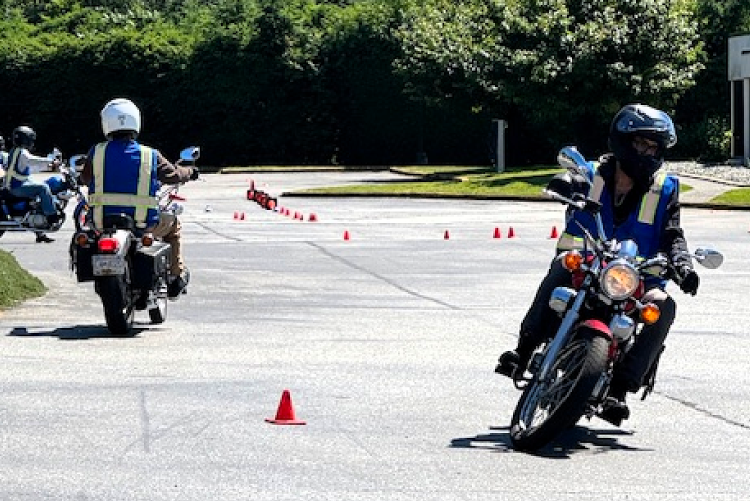
While ICBC does not offer a direct discount for completing a motorcycle safety course, the indirect savings are substantial. Professional training prepares you for the motorcycle skills assessment and the road test, reducing the likelihood of failing and paying for multiple attempts. Furthermore, some private insurance providers offer a 5% discount on collision coverage for graduates of certified programs.
The real financial value of professional training lies in claim prevention. New riders who invest in a skills program learn defensive riding techniques that help them avoid the most common “rookie” accidents. In the driver-based insurance model, avoiding a single at-fault claim is the most effective way to keep your motorcycle insurance cost manageable. By starting with the right training, you protect both your physical safety and your financial future.
Why should you learn to drive a car before a motorcycle?
Learning to drive a car first allows you to lower your personal Driver Factor in a safer environment. Because ICBC tracks your individual driving history regardless of the vehicle type, the years you spend crash-free in a car directly reduce the premiums you will eventually pay for a motorcycle.
Establishing your record in a passenger vehicle provides a vital safety buffer while you build “road sense.” Navigating the busy intersections of Coquitlam or the merging traffic on the Port Mann Bridge is challenging enough in a car; doing so on a motorcycle without prior traffic experience significantly increases your risk of an at-fault claim.
By entering the Graduated Licensing Program (GLP) in a car and successfully passing your car road test, you begin to “ripen” your safe-driving history before you are exposed to the higher risks of the open road on two wheels. When you finally transition to a motorcycle, you do so with a lower Driver Factor already in place, ensuring your motorcycle insurance cost is as low as possible from day one.
–
Choosing to ride a motorcycle can be a brilliant way for British Columbians to gain independence without the staggering costs of car ownership. By prioritizing experience, choosing a bike under 400cc, and seeking out professional training, you can enjoy the road while keeping your budget intact.
If you are looking for more ways to keep your automotive costs down, see our guide on How Do Driving Lessons Save You Money to learn about establishing the right habits early. For those ready to start shopping, we also recommend reading Tips for Buying Your First Motorcycle to help you choose the right machine for your budget and skill level.
Related Articles
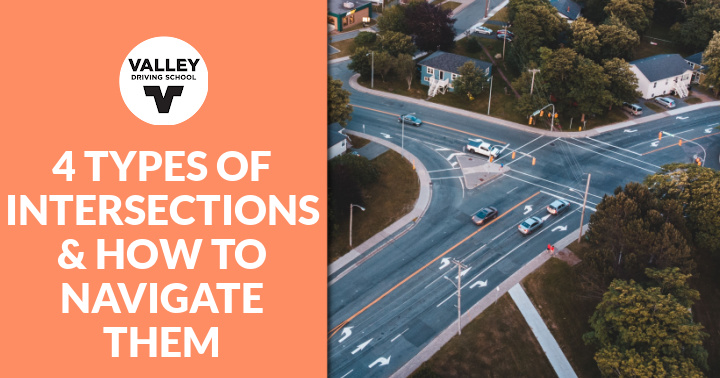
4 Types of Intersections & How to Navigate Them
Intersections are an important part of driving no matter where you are, but do you know all the different types and the rules for each?
How Car Driving Lessons Make Roads & Drivers Safer
Looking to build lasting confidence behind the wheel? Discover how car driving lessons sharpen observation skills and make BC roads safer for everyone.
Upcoming Changes to the Graduated Licensing Process
ICBC’s Graduated Licensing Program is being updated for 2026: skip the Class 5 road test and complete a 12-month safety period. Learn more about the timelines and next steps.
