
Drivers Guide to Car Modifications in BC
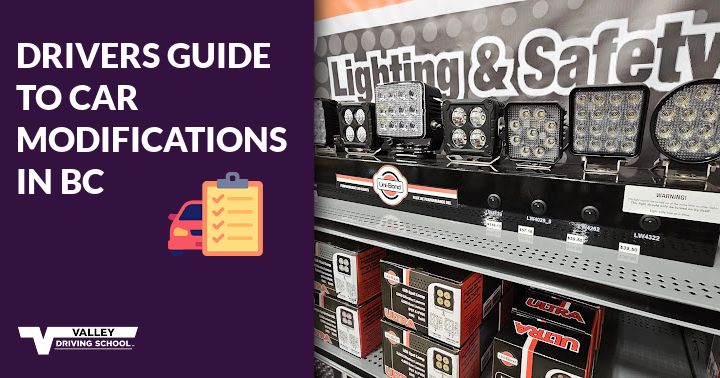
Customizing a vehicle is a popular way for drivers to express their personality and enhance performance. From the urban centers of Burnaby and Surrey to the rural stretches of Chilliwack and Mission, modified cars are a common sight on BC roads. Whether you are driving a personal car for daily commuting or operating a commercial vehicle for business, there is a fine line between a stylish upgrade and one that meets provincial standards. In British Columbia, the Motor Vehicle Act ensures every vehicle is safe for the driver and others on the road.
This guide explores common modifications and how to ensure your vehicle remains compliant in BC. Understanding these regulations is especially helpful for students preparing for an ICBC road test. Showing up in a vehicle that meets all safety standards ensures your exam can proceed without any technical delays.
Is window tinting legal in BC?
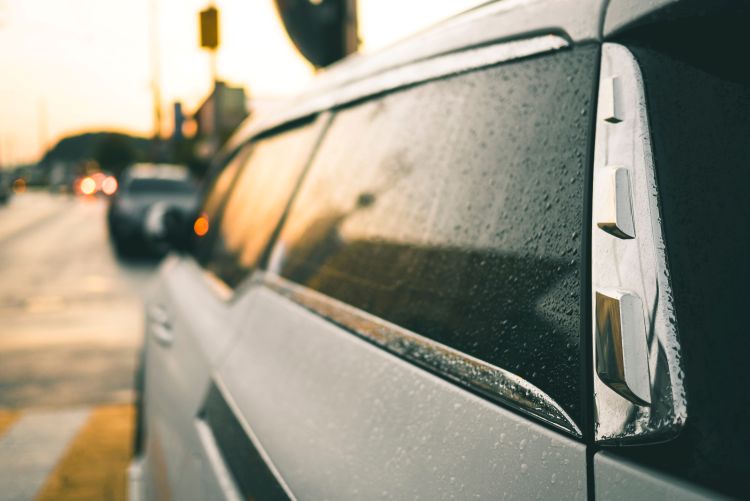
Window tinting is a frequent modification for those looking to boost visual appeal or reduce interior heat. While it is a popular choice, BC law is very specific about where it can be applied.
According to the Motor Vehicle Act Regulations, the windshield and the windows to the direct left or right of the driver must remain clear of any aftermarket solar control film. While you can tint your rear side windows and the back window to any degree you like, the front windows must let in 100% of light to ensure the driver has an unobstructed view.
The only exception is a narrow strip at the top of the windshield. Drivers are permitted to have a tint strip on the upper portion of the glass, provided it does not extend more than 75 mm from the top. This rule is in place because heavy tinting on front windows can significantly reduce visibility during the dark, rainy nights common in the Fraser Valley and Lower Mainland, making it harder to spot pedestrians and cyclists.
Can I upgrade my car with LED lighting?
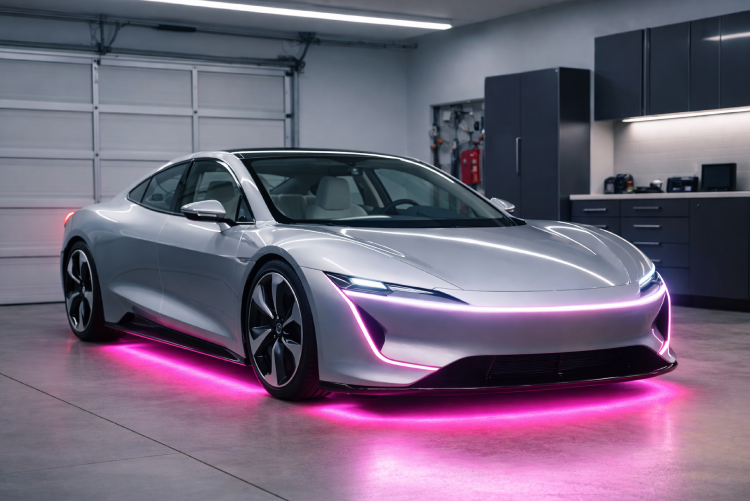
Modern lighting technology like LEDs has made it easier than ever to change a vehicle’s appearance. However, lighting is regulated to ensure it provides visibility without distracting other motorists.
Undercarriage Lighting: Also known as underglow, these lights are legal to install but must be turned off while driving on public roads. In BC, blue, red, and green lights are restricted because they can be mistaken for emergency vehicle lights.
LED Headlight Conversions: Upgrading to LED bulbs is a popular way to improve brightness. For these to be legal for road use, they must conform to Canadian Motor Vehicle Safety Standards (CMVSS). Properly aimed white or amber lights prevent blinding oncoming traffic on winding routes like the Lougheed Highway.
Fog and Driving Lights: These are highly beneficial in fog-prone areas like Agassiz or Mission. Fog lights should be mounted below the headlights and aimed low. Additional driving lights must be used in conjunction with high beams and should automatically dim when you switch to low beams.
Auxiliary lamps, such as light bars or roof lights, must meet specific requirements including where they are mounted, where they are directed, and what colour they are. These are outlined in the Motor Vehicle Act. Any lights that are considered “off-road†must have an opaque cover when they are on roadways.
Are lift kits legal in BC?
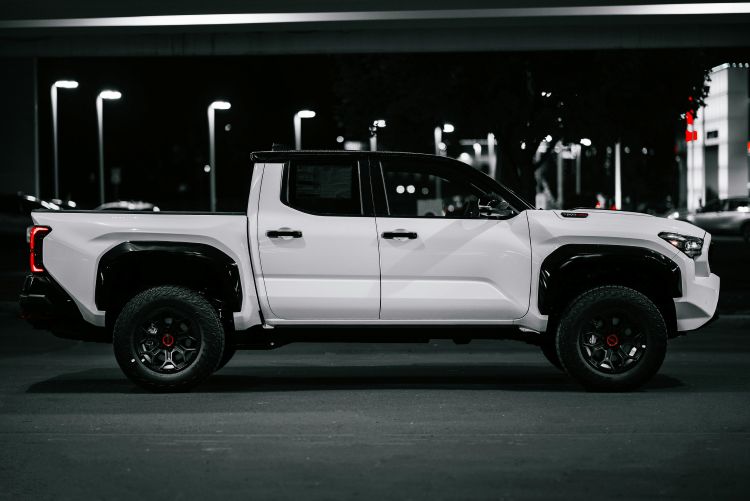
Modifying a vehicle’s suspension through lift or lowering kits can improve responsiveness and off-road capability, but owners should be mindful of legal requirements and restrictions before installing these mods.
Lift and Lowering Kits: In BC, lift kits are legal if they do not raise the vehicle’s frame more than 10 cm above the original manufacturer’s specifications. If you are lowering a vehicle, it must maintain a minimum ground clearance of 10 cm and ensure no components touch the road surface or the tires during normal operation.
Wheel and Tire Fitment: Changing wheel size is a great way to alter the look and traction of your vehicle. However, wheels must not interfere with the braking system or handling. Additionally, tires should not extend beyond the body of the vehicle unless fender flares are installed to prevent road debris from being kicked up.
Licence Plate Covers: Clear vs. Tinted
Many drivers choose to add licence plate covers to protect their plates from the elements or to complement the vehicle’s aesthetic. However, BC’s Motor Vehicle Act requires that the licence plates themselves be kept entirely unobstructed so they can be easily read and accurately photographed by safety cameras.
While clear covers are often used to prevent wear or theft, they can occasionally cause reflections that make a plate difficult to read at certain angles. Tinted or “smoke” covers are more problematic; because they intentionally reduce the visibility of the plate, they are generally considered illegal for road use. Ensuring your plates are clean and clear helps you avoid unnecessary stops and ensures you are following the same standards required for an ICBC road test.
Can vehicle modifications impact my road test?
For those using a personal vehicle or commercial vehicle for an ICBC road test, compliance is mandatory. Examiners at local offices, such as those in Abbotsford, Chilliwack, or Surrey, conduct a pre-trip inspection before every test.
If your vehicle has illegal front-window tint, non-functioning aftermarket lights, or an obscured licence plate, the examiner may refuse to start the test. This results in a lost appointment fee and a delay in obtaining your licence. Ensuring your car meets the basic safety standards of the Motor Vehicle Act is just as important as practicing your parallel parking.
Quick FAQ: Common Questions About BC Car Mods
Is colored underglow legal while driving?
No. Coloured lights (especially red, blue, and green) are restricted, and underglow must be turned off while the vehicle is in motion on public roads.
Can I tint my front side windows if the film is very light?
No. BC law prohibits any aftermarket solar control film or tint from being applied to the windshield or the windows to the immediate left and right of the driver.
Are smoked licence plate covers legal?
No. Licence plates must be clearly visible. Any cover that tints, obscures, or makes the plate difficult to read from any angle is illegal.
What is the maximum lift height allowed in BC?
A vehicle’s frame can be raised a maximum of 10 cm (4 inches) above the original manufacturer’s height.
–
Personalizing your vehicle is a great way to make it your own, but it should never come at the cost of safety or legality. By adhering to BC’s regulations on lighting, tinting, and suspension, you can enjoy your modifications without the stress of fines or failed inspections. When in doubt, it is best to consult a professional or review the specific sections of the Motor Vehicle Act before making a permanent change.
To explore more on vehicle modifications in British Columbia, read Drivers Guide to Fog Lights and Drivers Guide to Suspension Systems.
Related Articles
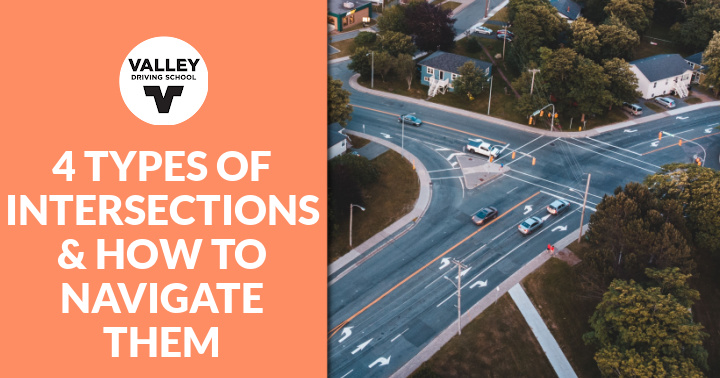
4 Types of Intersections & How to Navigate Them
Intersections are an important part of driving no matter where you are, but do you know all the different types and the rules for each?
How Car Driving Lessons Make Roads & Drivers Safer
Looking to build lasting confidence behind the wheel? Discover how car driving lessons sharpen observation skills and make BC roads safer for everyone.
Upcoming Changes to the Graduated Licensing Process
ICBC’s Graduated Licensing Program is being updated for 2026: skip the Class 5 road test and complete a 12-month safety period. Learn more about the timelines and next steps.
