
Drivers Guide to Traffic Lights & Signals
Green, yellow, red. Go, slow down, stop. Some drivers may think this is all there is to know about traffic lights and signals! Traffic lights and signals are one way of controlling and organizing the flow of traffic, but there is more to know about them than just stop and go.
We’re going to dive into the meanings behind both common and uncommon traffic lights and signals so when you see them on the road you’ll know what to do!
 What do green traffic lights mean?
A steady green light indicates that drivers can continue if the intersection is clear. A flashing green light indicates it is controlled by pedestrians and drivers should be prepared to stop if pedestrians are present, and only continue if the intersection is clear. A green arrow like this one indicates you may turn in the direction of the arrow. A green arrow pointing straight means that no turn is permitted and drivers can only go straight through. A flashing green arrow with a steady green light means drivers may turn in the direction of the arrow or proceed through. In some places green arrows may flash and in other places they may not.
What do yellow, or amber, traffic lights mean?
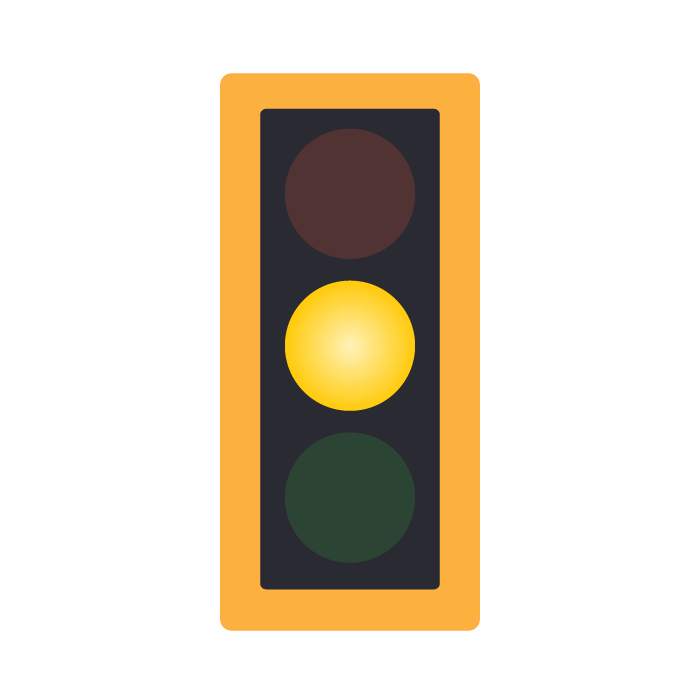
A steady amber, or yellow, light indicates for drivers to slow down and stop before the intersection, unless you cannot safely stop in time. A flashing amber light tells drivers to slow down and proceed with caution. A yellow arrow, which is typically paired with a steady green light, indicates that the advance left turn signal (steady or flashing green arrow) is about to change. Drivers should slow down and stop before the intersection, unless you cannot safely stop in time.
The determination of whether you can or cannot stop safely in time is based on a number of factors, including weather and road conditions, the road grade (is there an incline or decline?), who or what is behind your vehicle, the speed you are travelling at, and how close you are to the intersection.
 What do red traffic lights mean?
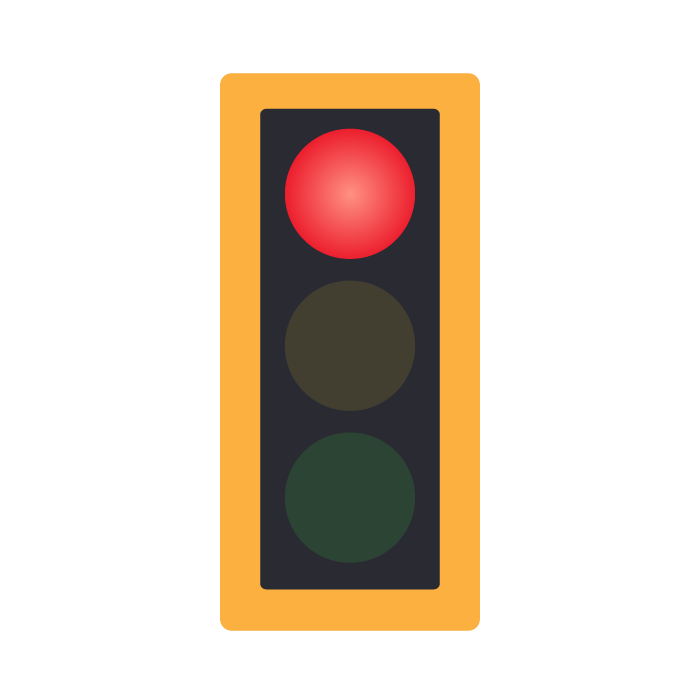
A steady red light means stop. After coming to a full stop, drivers can turn right or they can turn left onto a one-way street unless a sign forbids it. A flashing red light means stop, and drivers can continue only when it is safe to do so. These are often found if the light is malfunctioning, when traffic facing has a stop sign, or at a single lens light. A steady red light with a flashing green arrow indicates that a left turn is allowed, and through traffic must stop. A red light with a steady white rectangular light is a transit priority signal. Only buses may proceed when this signal is illuminated.
When might a right turn be prohibited on a red light?
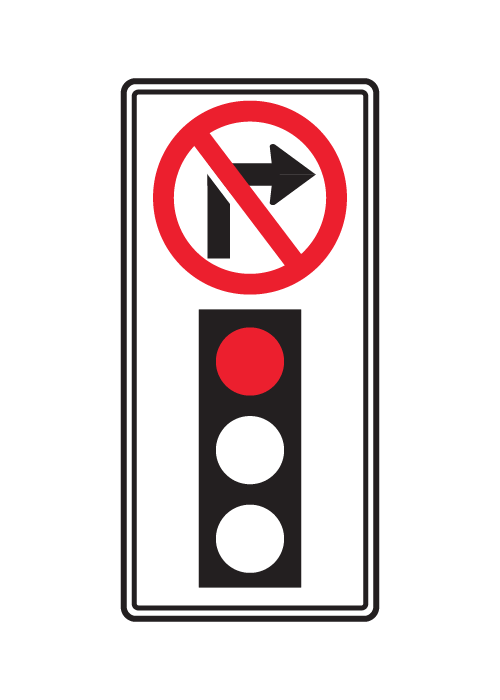
Right turns are prohibited if there is inadequate visibility or restrictive road angles, as well as at irregular intersections or those with more than four approaches. Right turns are also prohibited if there are double left turn lanes by opposing traffic, or double right turn lanes. Unacceptable records of accidents involving right turns on red lights would also prohibit the driver from completing this maneuver.
The last two reasons that right turns on red lights are prohibited are when a railway crossing is near the intersection on the approach to which the right turn is made, and if there are any hazardous conflicts with pedestrians.
When can you proceed on a red light?
There are six scenarios in which a driver can proceed on a red light. Jump over to our 6 Times You Can Proceed on a Red Light post to read about all of them!
Lane Control Signals
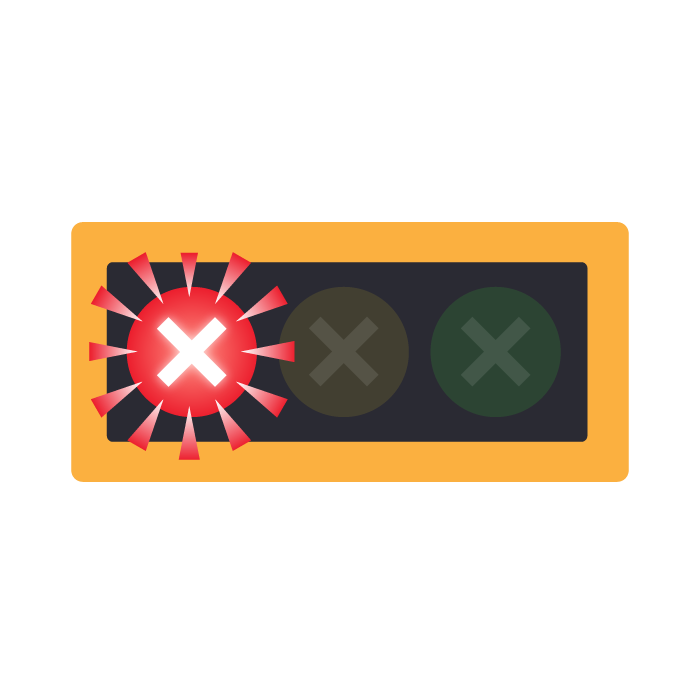
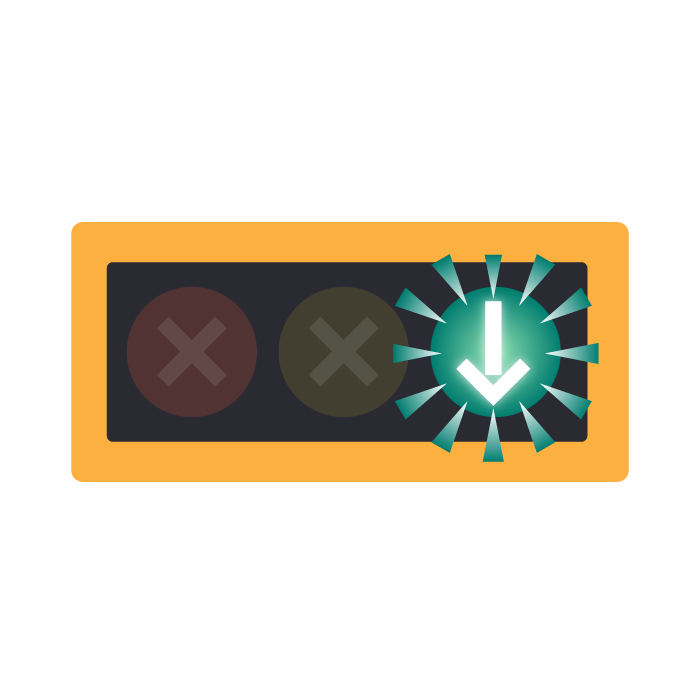
Lane control signals are placed over lanes to indicate which ones are open for driving. These signals are unique to counterflow lanes. Red means, do not drive in this lane. Amber means, move out of this lane and into a lane with a green arrow. If the lane control signals over all of the lanes are flashing yellow, slow down and proceed with caution. Green means, drive in this lane.

Related Articles
Drivers Guide to Hand Signals
Want to stay safe when electronic indicator lights aren't an option? We've got the info for knowing and using hand signals so you're prepared!

How to Become A Driving Instructor In British Columbia
Ready to turn your driving expertise into a rewarding career? We've got the eligibility and steps outlined here to become a licensed BC Driving Instructor.
Drivers Guide to Safe Driving with Full Self-Driving in BC
Driving a modern vehicle equipped with automated driver support? Discover the smart driver habits that keep you effortlessly in control of your high-tech ride.
