
The Rise of Smart Highways
In the ever evolving landscape of transportation infrastructure, the emergence of “smart highways” has been a game changer, revolutionizing the way we navigate roads. Cutting edge technologies and innovative solutions are paving the way towards a safer, more efficient, and environmentally sustainable future for drivers and commuters alike.
In this blog, we’re covering what “smart highways” are, their benefits, and what the future holds.
Understanding Smart Highways
Smart highways are a futuristic concept that uses advanced technologies to enhance the safety, efficiency, and functionality of roads. These intelligent road systems are designed to communicate and interact with vehicles, infrastructure, and users in real-time, leading to a connected transportation experience. Incorporating elements such as sensors, cameras, intelligent traffic management systems, and data analytics leads to reshaping the traditional road infrastructure into a dynamic and responsive network.
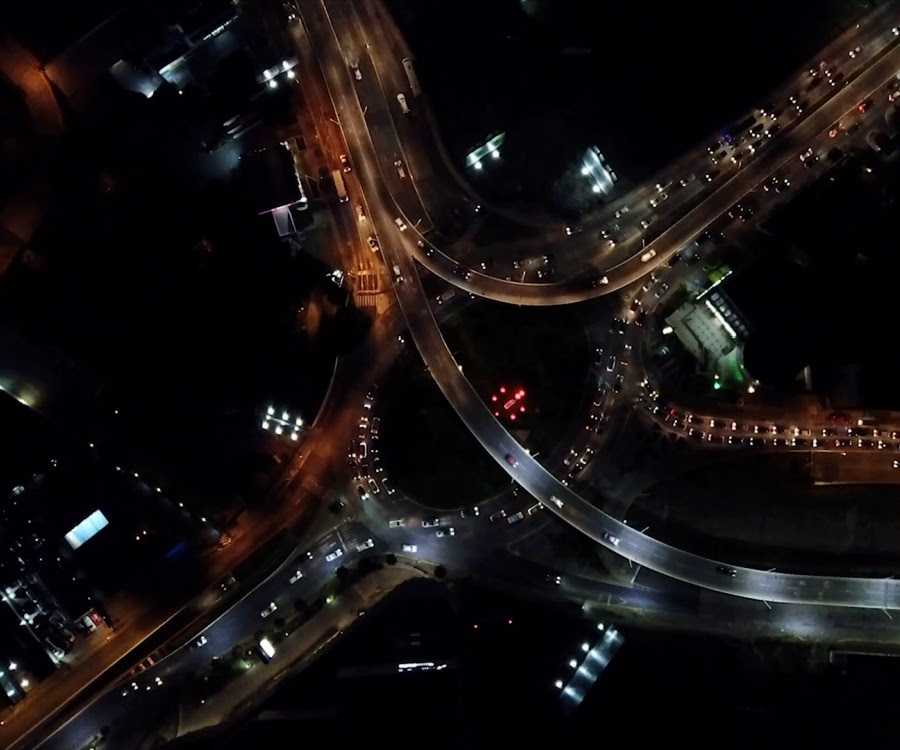
Several innovative technologies are driving the transformation of traditional road infrastructure into smart highways. One such technology is the Internet of Things (IoT), which connects devices, sensors, and systems to collect and analyze data in real-time. By harnessing IoT capabilities, smart highways can monitor traffic flow, detect vehicle speeds, and communicate with connected vehicles to optimize road operations and enhance safety measures.
Moreover, artificial intelligence (AI) and machine learning algorithms are being integrated into smart highway systems to process and analyze vast amounts of data, predict traffic patterns, and identify potential congestion points. AI-driven solutions allow smart highways to make data-driven decisions, automate traffic management processes, and improve overall system efficiency.
The Benefits of Smart Highways
One of the primary advantages of smart highways is the improvement in traffic flow and congestion management. Real-time data and intelligent traffic management systems are used to optimize traffic patterns, adjust speed limits, and detect and resolve traffic incidents promptly. This helps reduce congestion and enhances overall road safety by minimizing the risk of accidents and collisions.
Smart highways play a role in promoting environmental sustainability and reducing carbon emissions. They contribute to creating a greener and more sustainable transportation ecosystem by adopting eco-friendly technologies like electric vehicle charging stations, energy-efficient lighting, and infrastructure to support alternative modes of transportation. Road safety is enhanced, and accident occurrences are minimized, through smart highway innovations like intelligent speed monitoring systems, lane departure warnings, and automated emergency response mechanisms. These safety features protect drivers, passengers, and pedestrians, making roads safer for everyone.
In addition to eco-efficiency and safety, smart highways also offer enhanced connectivity and communication capabilities for users. Dynamic message boards, real-time traffic updates, and smart signage are used for drivers to receive pertinent information about road conditions, weather forecasts, and alternative routes. These devices allow drivers to make better informed decisions and navigate the roads more effectively.
Smart Highways in BC
While not yet a fully integrated network, British Columbia already utilizes intelligent transportation systems (ITS) that pave the way for future advancements. One key component of these systems is highway cameras, accessible through DriveBC. These strategically placed cameras monitor traffic flow, detect incidents, and capture vehicle data. This real-time information is fed back to transportation management centers, allowing officials to identify congestion points, accidents, or adverse weather conditions.
Another crucial element of BC’s smart highway initiative is variable speed limits. These digital signs, often paired with flashing yellow lights, display adjusted speed limits based on the collected traffic data from the cameras. By dynamically lowering speeds during congestion or hazardous conditions, variable speed limits aim to improve traffic flow, reduce accidents, and enhance overall safety.
BC also utilizes roadside weather stations to measure site-specific highway data such as pavement surface temperature and condition, precipitation, snow depth, air temperature, humidity and wind. Some of these 99 stations have sensors directly linked to highway overhead message signs, so travellers receive timely warnings for poor conditions such as slippery surfaces.
The Future of Smart Highways
As technology continues to advance and the concept of smart highways gains momentum, the future looks promising for transportation infrastructure. The ongoing development of 5G networks, connected vehicle technologies, and augmented reality interfaces will enhance the capabilities of smart highways and create a more integrated and efficient road network.
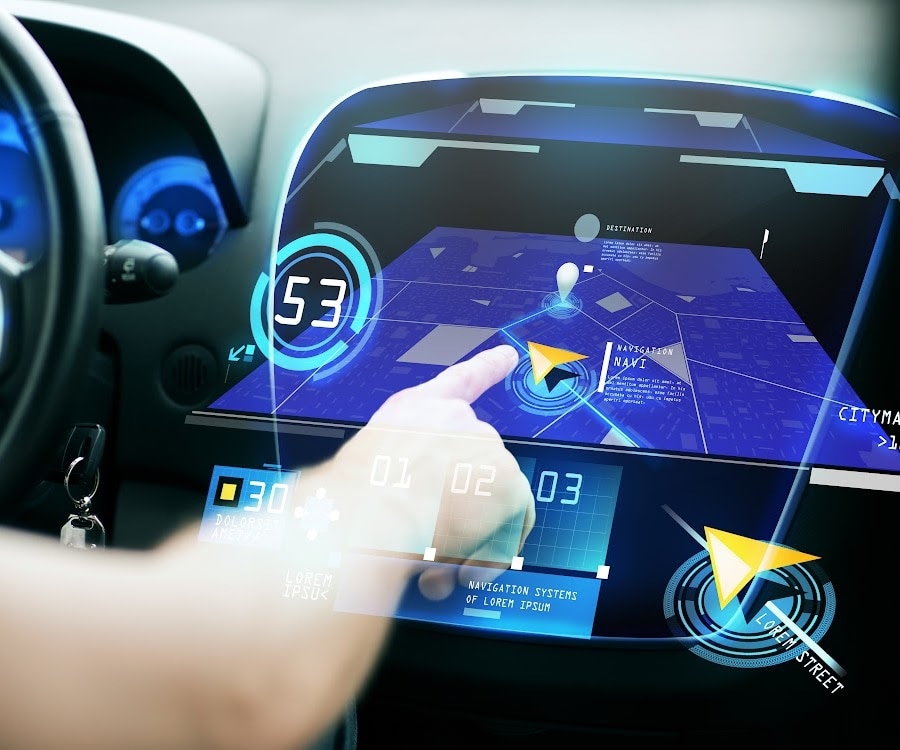
Real-time traffic data and personalized route suggestions could eventually be delivered via augmented reality interfaces in windshields; suggesting optimal speeds based on traffic flow and highlighting nearby amenities like gas stations or restaurants, all while keeping your focus on the road. There is even the potential for smart highways to integrate with public transit, providing real-time arrival and departure info and suggesting routes that combine driving with carpooling, biking, or public transit. Having an interconnected network would improve driver commutes as well as optimize overall traffic flow and reduce congestion.
–
Once thought of as a fixture of science fiction, smart highways are a reality of the near future! As smart highways mature, we can expect even greater strides in efficiency, sustainability, and connectivity, shaping the roads of tomorrow and paving the way for a smarter, safer journey for everyone.
Related Articles

How Seniors Can Overcome Driving Anxiety
Does driving feel more stressful than it used to? Discover simple strategies to stay calm, comfortable, and confident behind the wheel.
How to Understand ICBC Road Test Results
Wondering what all those marks on your ICBC feedback sheet mean? Decipher examiner scoring rules to turn test results into driving success!
4 Types of Intersections & How to Navigate Them
Intersections are an important part of driving no matter where you are, but do you know all the different types and the rules for each?
